Prepared infant formula
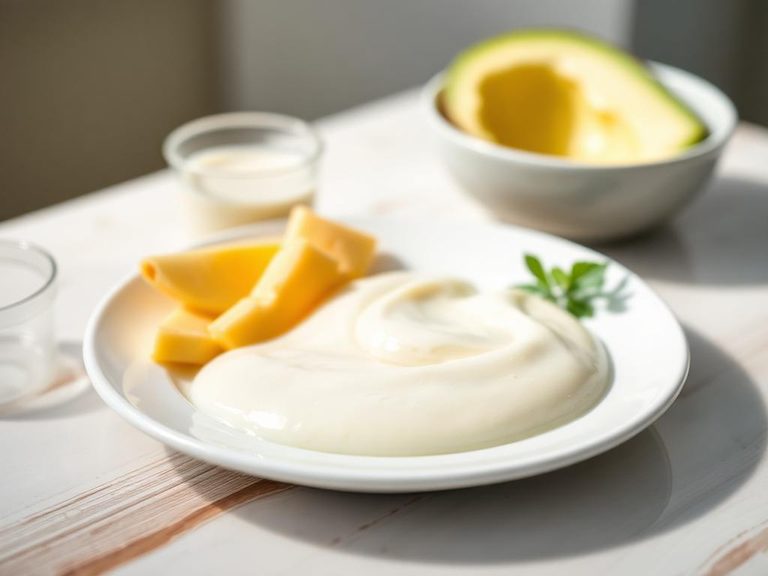
Prepared infant formula is a liquid nutritional product designed to be a complete food source for infants who are not breastfed. It is typically made from a base of cow's milk or soy, which is processed and then reconstituted with water, and often includes added vitamins, minerals, and fats like DHA to mimic the nutritional profile of breast milk.
🍽️ Nutrition at a glance
It is formulated to be a balanced source of energy, providing a moderate amount of carbohydrates, protein, and fat, with a typical calorie count around 20 calories per fluid ounce (67 kcal/100ml). Its key nutrients include iron, calcium, and essential fatty acids crucial for infant brain and bone development.
Nutrition breakdown
| Calories | 150 kcal |
| Protein | 3.4 g |
| Carbs | 17.6 g |
| Fat | 7.2 g |
| Fiber | 0 g |
| Sugar | 17.6 g |
| Sodium | 35 mg |
| Calcium | 130 mg |
| Iron | 1.8 mg |
| Potassium | 160 mg |
| Vitamin A | 100 mcg |
| Vitamin C | 12 mg |
| Vitamin D | 1.0 mcg |
| Vitamin E | 2.0 mg |
| Phosphorus | 80 mg |
Per 1 cup (240 g) · estimated, varies by recipe
💡 What's interesting
Nutritionally, it is a highly engineered food, with its composition meticulously standardized to meet strict regulatory guidelines for infant growth. Culturally, its use is deeply tied to modern parenting, work-life balance, and feeding practices, making it a staple in households worldwide.