Prepared infant bottle
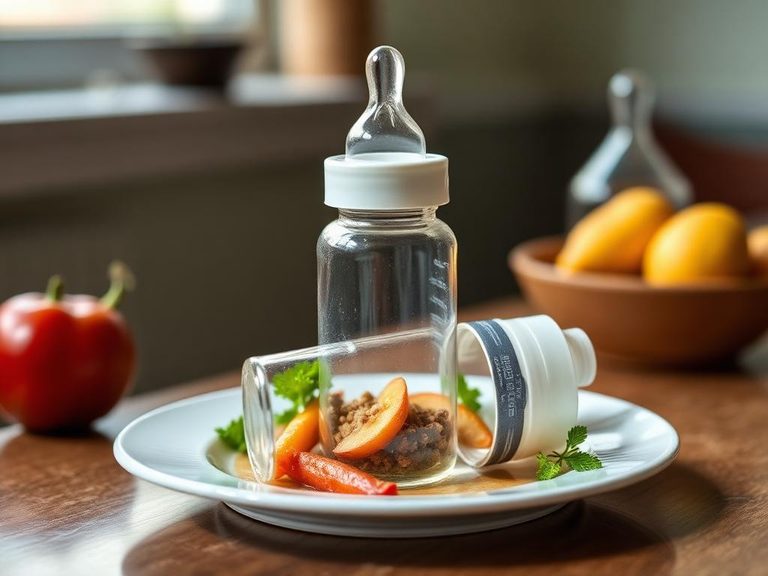
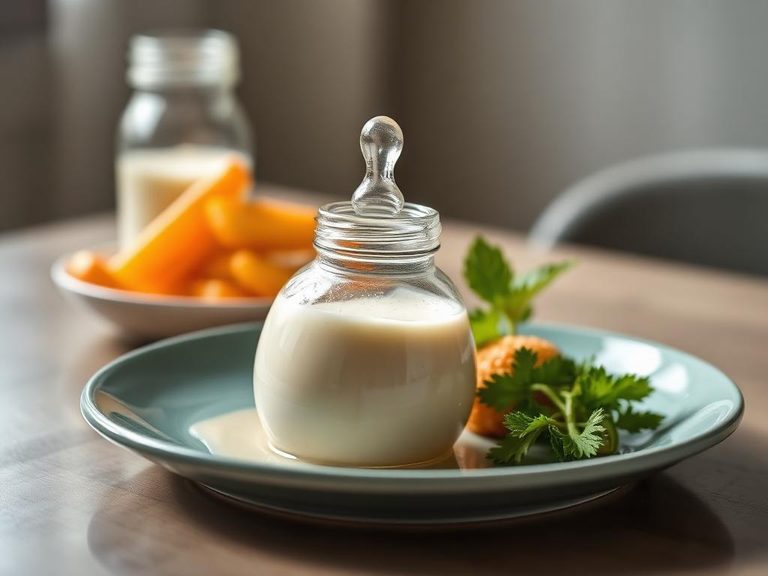
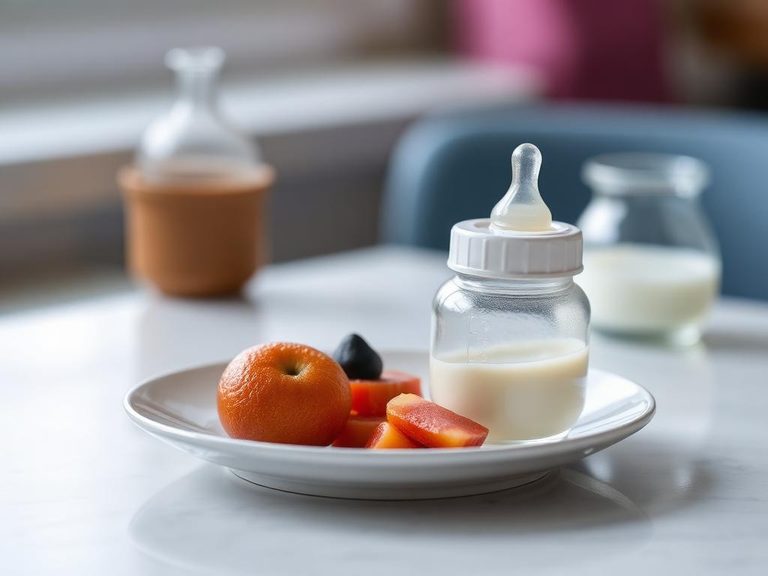
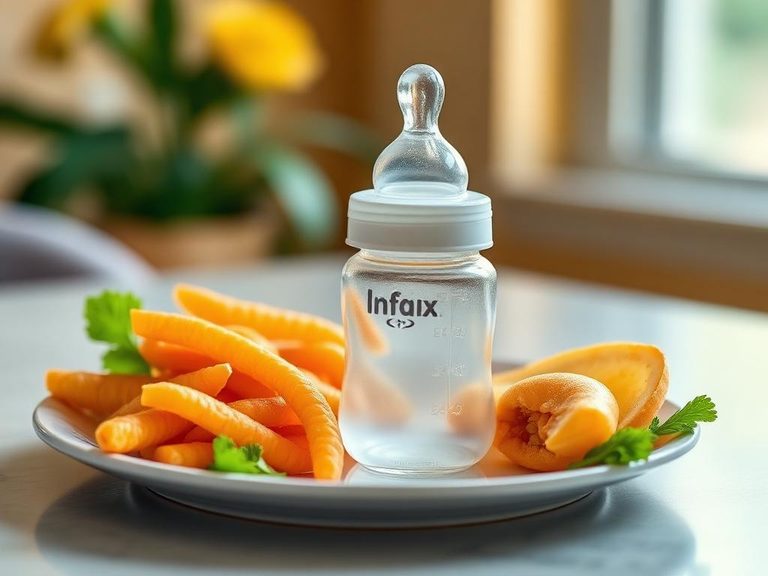
A prepared infant bottle is a nutrient-complete liquid meal, typically consisting of infant formula or expressed breast milk, ready for feeding. It is a universal staple in infant care, originating from the need to provide safe, accessible nutrition for babies who are not exclusively breastfed. The primary ingredients are a carefully balanced mixture of proteins, fats, carbohydrates, vitamins, and minerals, often based on cow's milk or soy.
🍽️ Nutrition at a glance
This is a balanced, high-carbohydrate and moderate-fat meal designed for rapid growth, providing essential nutrients like calcium, iron, and DHA. A standard 8-ounce (240 ml) serving of prepared formula contains roughly 150-200 calories, with the exact composition varying by brand and stage.
Nutrition breakdown
| Calories | 130 kcal |
| Protein | 3.4 g |
| Carbs | 14 g |
| Fat | 6.8 g |
| Fiber | 0 g |
| Sugar | 14 g |
| Sodium | 60 mg |
| Calcium | 105 mg |
| Iron | 1.8 mg |
| Potassium | 180 mg |
| Vitamin A | 105 mcg |
| Vitamin D | 1.0 mcg |
| Vitamin E | 1.5 mg |
| Vitamin C | 12 mg |
| Zinc | 0.75 mg |
Per 1 bottle (240 g) · estimated, varies by recipe
💡 What's interesting
The formulation of infant formula is a remarkable feat of food science, attempting to mimic the complex, dynamic composition of human breast milk. Culturally, the bottle itself has become a symbol of modern parenting, representing both feeding flexibility and the commercialization of infant nutrition.