Infant Bottle Feeding
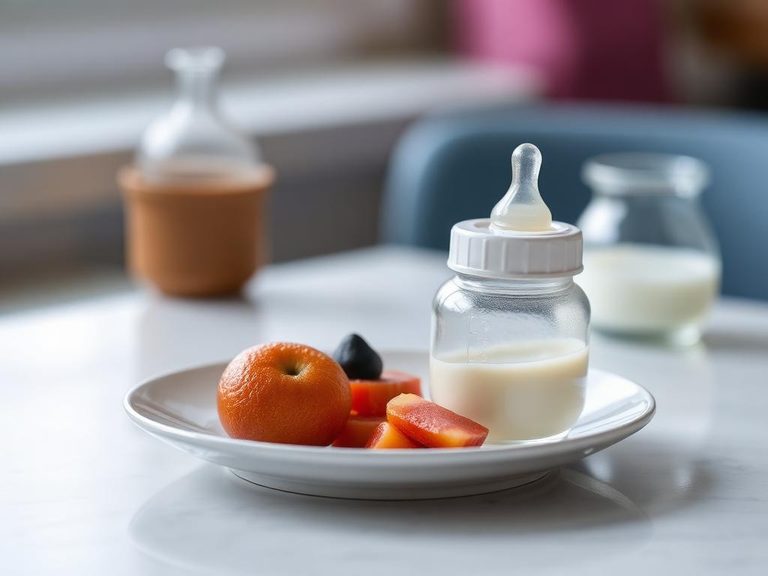
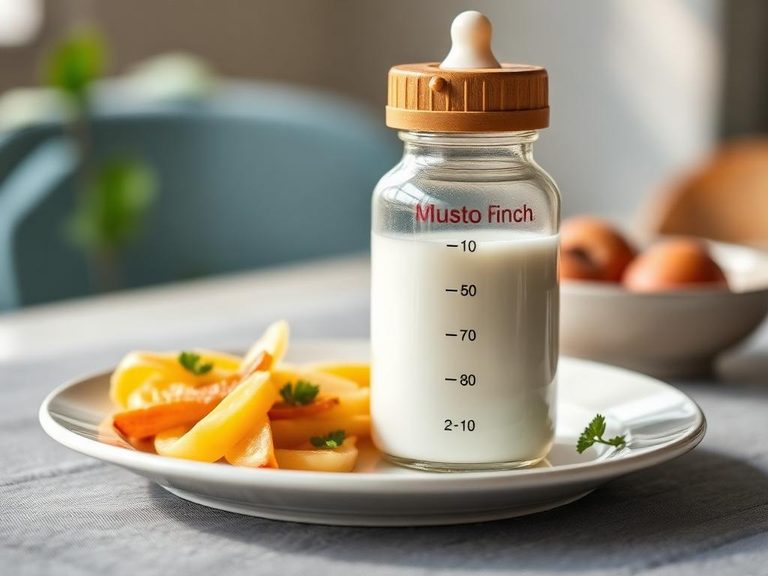
"Infant Bottle Feeding" is not a culinary dish, but a method of nourishing infants using a bottle, typically containing infant formula or expressed breast milk. It is a universal practice found worldwide, with formula being a manufactured product designed to mimic the nutritional profile of human milk.
🍽️ Nutrition at a glance
The nutritional content is tailored for infant development, being a balanced source of carbohydrates, fats, and proteins. A standard 4-ounce (120ml) serving provides approximately 80-100 calories, along with essential vitamins and minerals crucial for growth.
Nutrition breakdown
| Calories | 130 kcal |
| Protein | 3.4 g |
| Carbs | 14 g |
| Fat | 6.8 g |
| Fiber | 0 g |
| Sugar | 14 g |
| Sodium | 55 mg |
| Calcium | 105 mg |
| Iron | 1.2 mg |
| Potassium | 160 mg |
| Vitamin A | 80 µg RAE |
| Vitamin D | 1.0 µg |
| Vitamin C | 8 mg |
| Vitamin B12 | 0.3 µg |
| Phosphorus | 70 mg |
Per 1 bottle (240 g) · estimated, varies by recipe
💡 What's interesting
What's unique is that this "dish" is a scientifically engineered food product, with its composition often regulated by strict health standards to ensure it meets the specific developmental needs of infants who are not exclusively breastfed.