Neonatal feeding via bottle or gavage tube
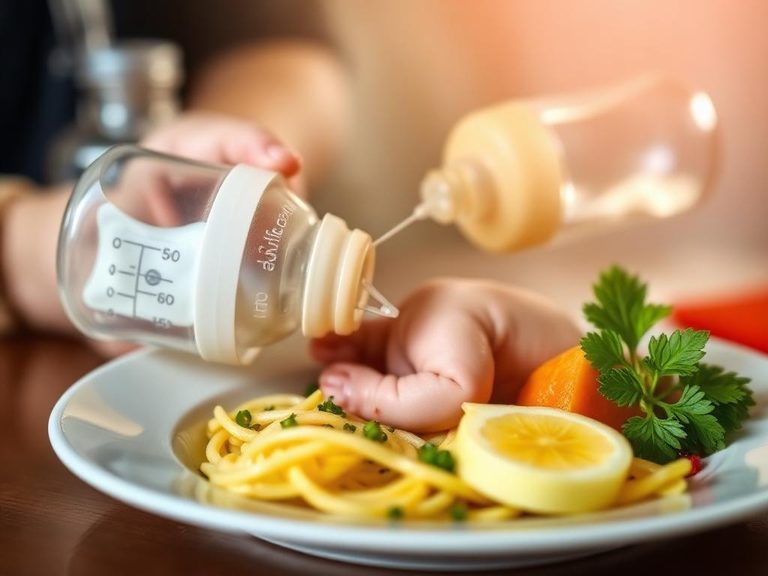
This is not a culinary dish but a specialized medical method for feeding newborns who cannot yet feed by mouth. It involves delivering expressed breast milk or specialized infant formula either through a small, soft bottle with a slow-flow nipple or via a thin, flexible gavage tube passed through the nose or mouth into the stomach.
🍽️ Nutrition at a glance
Nutritional content is entirely dependent on the specific milk or formula used. It is designed to be a complete source of nutrition, typically providing a balanced mix of fats, proteins, and carbohydrates tailored to a newborn's needs, with a calorie range of 20-25 kcal per ounce (about 67-84 kcal per 30 mL).
Nutrition breakdown
| Calories | 20 kcal |
| Protein | 1.1 g |
| Carbs | 2.2 g |
| Fat | 1.1 g |
| Fiber | 0 g |
| Sugar | 2.2 g |
| Sodium | 23 mg |
| Calcium | 78 mg |
| Phosphorus | 44 mg |
| Vitamin D | 1.0 mcg |
| Iron | 0.15 mg |
| Zinc | 0.5 mg |
| Vitamin A | 60 mcg |
| Vitamin C | 5.4 mg |
| Vitamin E | 0.5 mg |
Per 1 ounce (30 mL) of standard infant formula or expressed breast milk · estimated, varies by recipe
💡 What's interesting
This feeding method is a critical intervention in neonatal care, allowing premature or ill infants to receive life-sustaining nutrition and gut stimulation. The choice between bottle and gavage tube is a clinical decision based on the infant's developmental ability to coordinate sucking, swallowing, and breathing.