Pediatric Tube Feeding

Pediatric tube feeding formulas are specialized, nutritionally complete liquid meals designed for children who cannot eat by mouth. They are typically based on milk proteins or hydrolyzed proteins, with carbohydrates from corn syrup or maltodextrin, and fats from vegetable oils. These medical nutrition products are developed by pharmaceutical and nutrition companies worldwide.
🍽️ Nutrition at a glance
These formulas are carefully balanced to provide all essential macronutrients and are often high in protein and carbohydrates to support growth. A standard 240 ml serving provides approximately 240-300 kcal, with a complete profile of vitamins and minerals tailored for pediatric needs.
Nutrition breakdown
| Calories | 250 kcal |
| Protein | 10 g |
| Carbs | 33 g |
| Fat | 9 g |
| Fiber | 0 g |
| Sugar | 14 g |
| Sodium | 150 mg |
| Calcium | 300 mg |
| Iron | 1.8 mg |
| Vitamin D | 2.5 mcg |
| Vitamin A | 150 mcg |
| Vitamin C | 30 mg |
| Vitamin E | 4.5 mg |
| Potassium | 350 mg |
| Phosphorus | 200 mg |
Per 1 carton (240 ml) · estimated, varies by recipe
💡 What's interesting
The unique aspect of these formulas is their precise engineering to mimic the nutritional composition of breast milk or a healthy child's diet in a form suitable for delivery directly into the stomach or intestine, ensuring critical growth and development.
🍽️ Related dishes
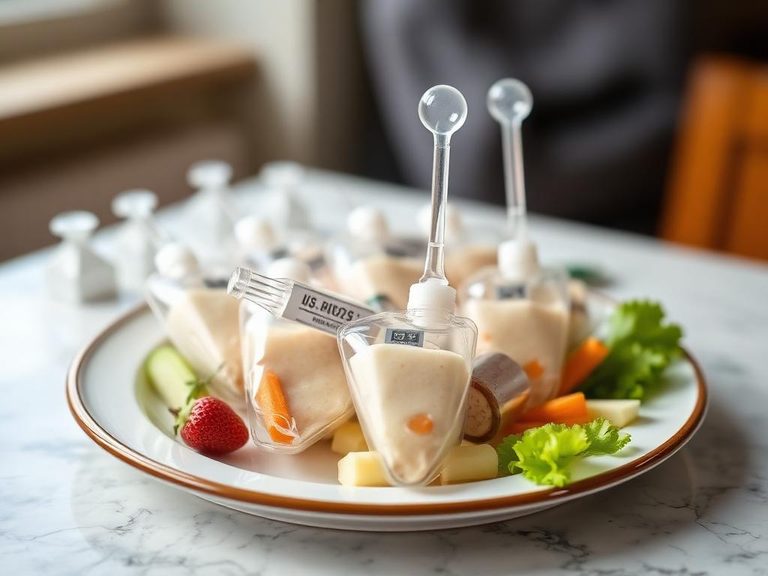 Used in pediatric medical feeding tubes
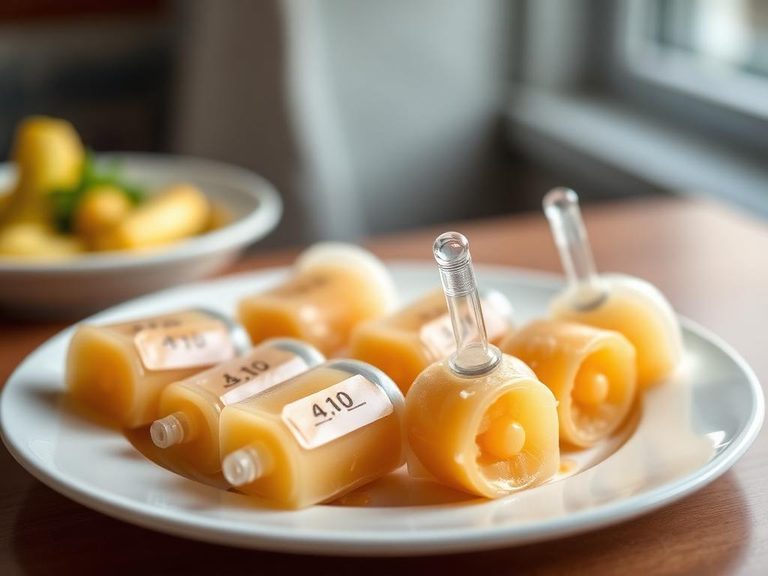 Used in medical feeding tubes for infants
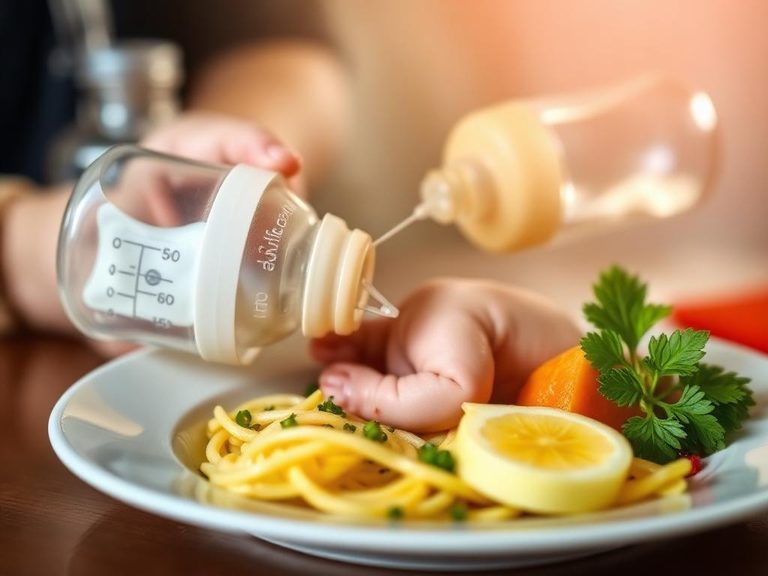 Neonatal feeding via bottle or gavage tube
 Administered via bottle or feeding tube.
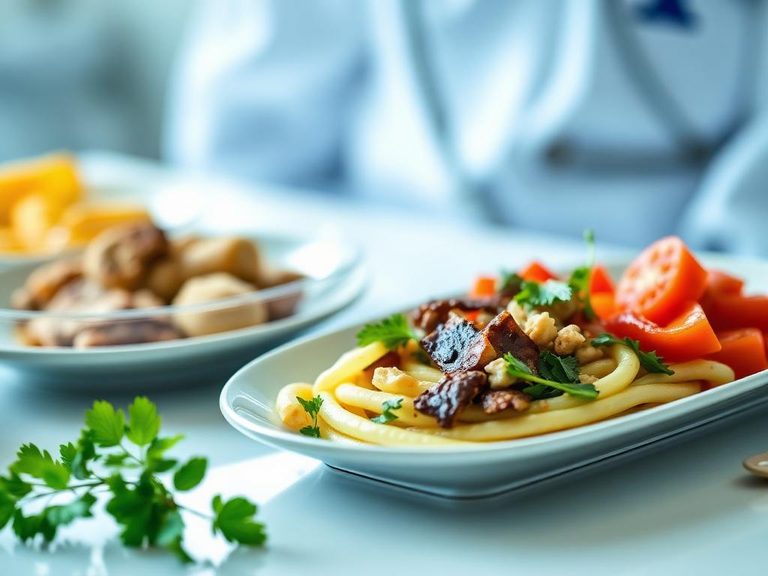 Prepared for tube feeding in clinical settings
 Used in medical-grade feeding tubes
 Used in pediatric medical feeding plans
 Yogurt Tube Popsicles