Administered via bottle or feeding tube.

This is not a traditional dish but a medical nutrition formula designed for tube feeding or oral supplementation. It is a nutritionally complete, liquid meal replacement typically made from a blend of proteins (often from soy or dairy), carbohydrates (like corn syrup or maltodextrin), fats (from oils like canola or safflower), and a comprehensive mix of vitamins and minerals. It originates from the field of clinical nutrition and is produced by various medical food companies.
🍽️ Nutrition at a glance
This formula is engineered to be a balanced, high-calorie meal, providing a moderate-to-high amount of calories from a mix of carbohydrates, proteins, and fats. A standard serving delivers a broad spectrum of essential macro and micronutrients, including vitamins and minerals, with a calorie count typically ranging from 250 to 350 kcal per 240 mL serving.
Nutrition breakdown
| Calories | 300 kcal |
| Protein | 13 g |
| Carbs | 40 g |
| Fat | 11 g |
| Fiber | 3 g |
| Sugar | 6 g |
| Sodium | 400 mg |
| Calcium | 350 mg |
| Potassium | 500 mg |
| Iron | 5.4 mg |
| Vitamin A | 300 mcg |
| Vitamin C | 60 mg |
| Vitamin D | 10 mcg |
| Vitamin E | 10 mg |
| Zinc | 4.5 mg |
Per 1 bottle (237 mL) · estimated, varies by recipe
💡 What's interesting
What's unique is its purpose: it's a scientifically formulated food designed to sustain life and health when a person cannot eat a normal diet. Nutritionally, it is often fortified with nutrients like iron, calcium, and vitamins A, C, and D to meet 100% of daily requirements in a controlled, easily digestible liquid form.
🍽️ Related dishes
 Neonatal feeding via bottle or gavage tube
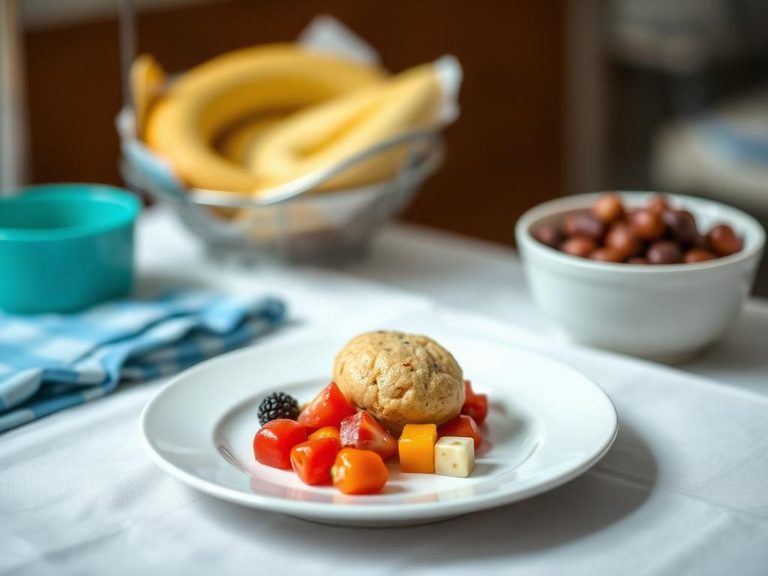 Administered as part of a structured NICU feeding plan
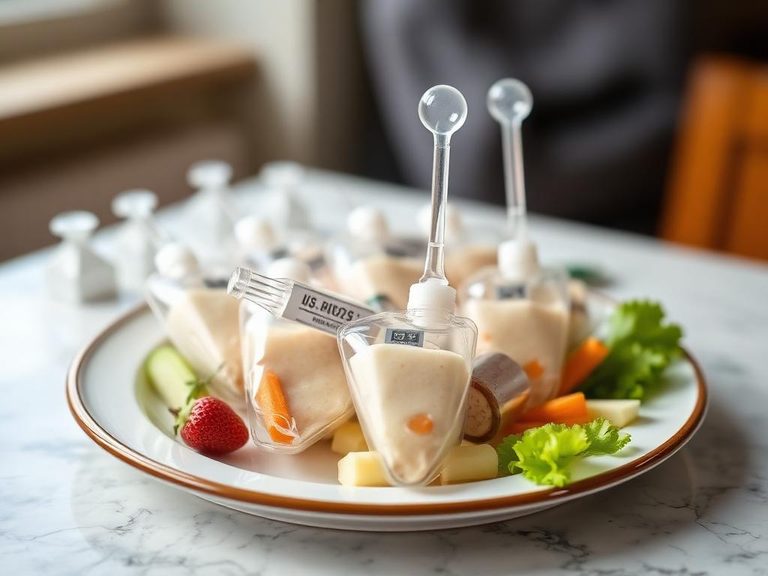 Used in pediatric medical feeding tubes
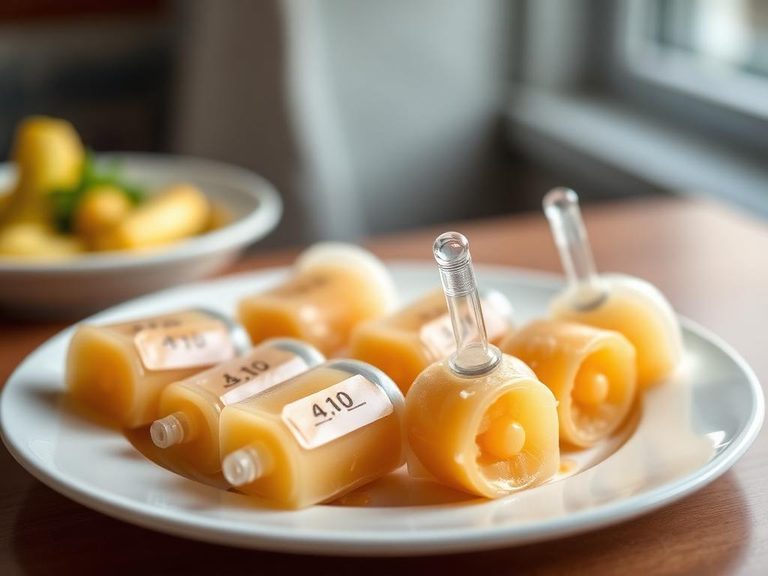 Used in medical feeding tubes for infants
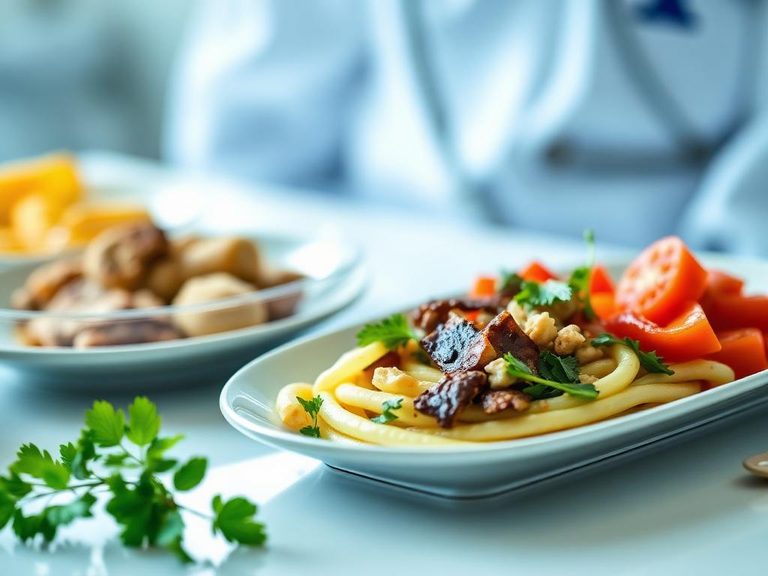 Prepared for tube feeding in clinical settings
 Used in medical-grade feeding tubes
 Pediatric Tube Feeding
 Direct feeding from bottle