Administered as part of a structured NICU feeding plan
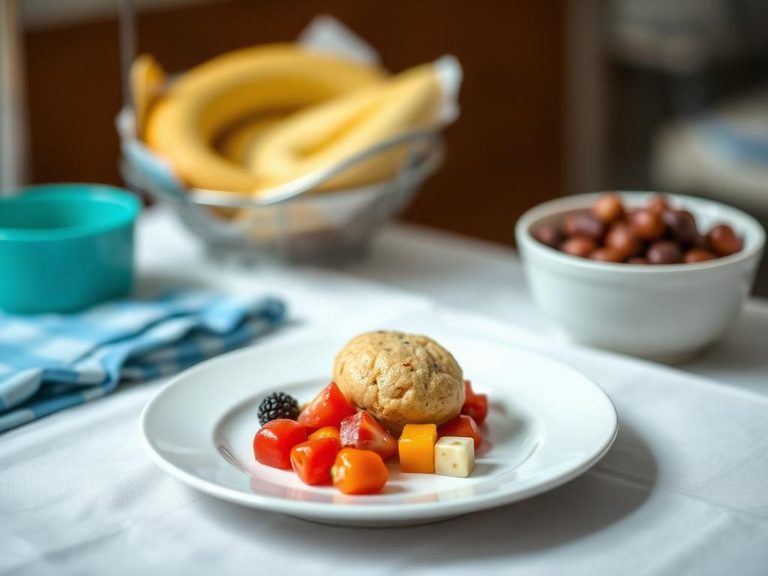
This is not a traditional dish but a specialized medical feeding regimen for premature or ill newborns in a Neonatal Intensive Care Unit (NICU). It typically consists of human milk (maternal or donor) or specialized preterm infant formula, often fortified with extra nutrients and administered via a feeding tube or specialized bottle. The 'recipe' is strictly controlled by neonatologists and dietitians to meet the fragile infant's precise needs.
🍽️ Nutrition at a glance
The nutritional profile is extremely high in fat and protein relative to its volume to support rapid brain development and catch-up growth, with a carefully balanced carbohydrate content for energy. A typical 24-hour feeding volume for a small preterm infant might be around 150-200 mL/kg, providing roughly 90-110 kcal per 100 mL.
Nutrition breakdown
| Calories | 30 kcal |
| Protein | 1.8 g |
| Carbs | 3.6 g |
| Fat | 1.2 g |
| Fiber | 0 g |
| Sugar | 2.8 g |
| Sodium | 25 mg |
| Calcium | 60 mg |
| Phosphorus | 30 mg |
| Iron | 0.2 mg |
| Zinc | 0.5 mg |
| Vitamin D | 80 IU |
| Vitamin A | 60 mcg |
| Folate | 15 mcg |
| Potassium | 45 mg |
Per 1 single fortified human milk feeding (approximately 30 mL) · estimated, varies by recipe
💡 What's interesting
The most unique aspect is that the 'dish' is dynamically tailored in real-time to the infant's daily weight gain, lab values, and clinical status. Its composition can change hourly, representing one of the most personalized forms of nutrition in existence.
🍽️ Related dishes
 Part of a specialized discharge plan from NICU
 Administered via bottle or feeding tube.
 Part of a discharge feeding plan for low-birth-weight babies.
 Part of a customized feeding plan
 Primary feeding for premature infants in NICUs.
 NICU feeding regimen
 Used in pediatric medical feeding plans
 Component of specialty infant feeding plans