Part of a customized feeding plan
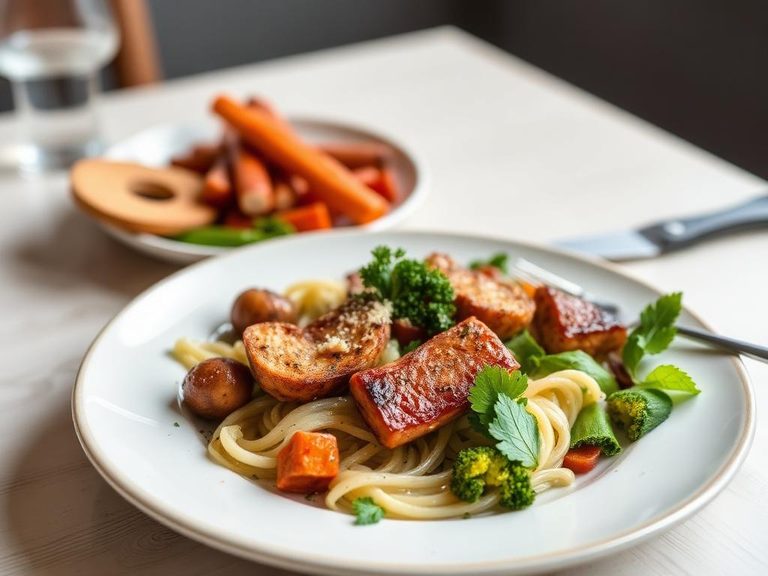
"Part of a customized feeding plan" is not a specific dish but a conceptual framework for a meal or dietary regimen tailored to an individual's unique health goals, medical conditions, or nutritional needs. It typically involves a balanced combination of proteins, carbohydrates, and fats, with ingredients selected based on personal tolerance and objectives. This approach is used globally in clinical, athletic, and wellness contexts.
🍽️ Nutrition at a glance
The nutritional profile varies widely but is designed to be balanced and purpose-driven, often emphasizing adequate protein for muscle maintenance, controlled carbohydrates for energy management, and essential fats. A typical serving is formulated to provide a broad spectrum of vitamins and minerals, with a calorie count that aligns with the individual's daily energy requirements, often ranging from 300 to 600 kcal.
Nutrition breakdown
| Calories | 450 kcal |
| Protein | 30 g |
| Carbs | 40 g |
| Fat | 18 g |
| Fiber | 8 g |
| Sugar | 10 g |
| Sodium | 500 mg |
| Vitamin D | 15 mcg |
| Calcium | 200 mg |
| Iron | 4 mg |
| Potassium | 450 mg |
| Vitamin B12 | 2.4 mcg |
| Magnesium | 60 mg |
| Zinc | 3 mg |
| Vitamin A | 300 mcg |
Per 1 customized meal (approx. 300 g) · estimated, varies by recipe
💡 What's interesting
What makes this concept unique is its hyper-personalization, moving beyond one-size-fits-all diets to address specific biomarkers, activity levels, or recovery needs. Nutritionally, it represents the intersection of dietetics and data, often using tools like metabolic testing or genetic insights to optimize nutrient timing and composition.
🍽️ Related dishes
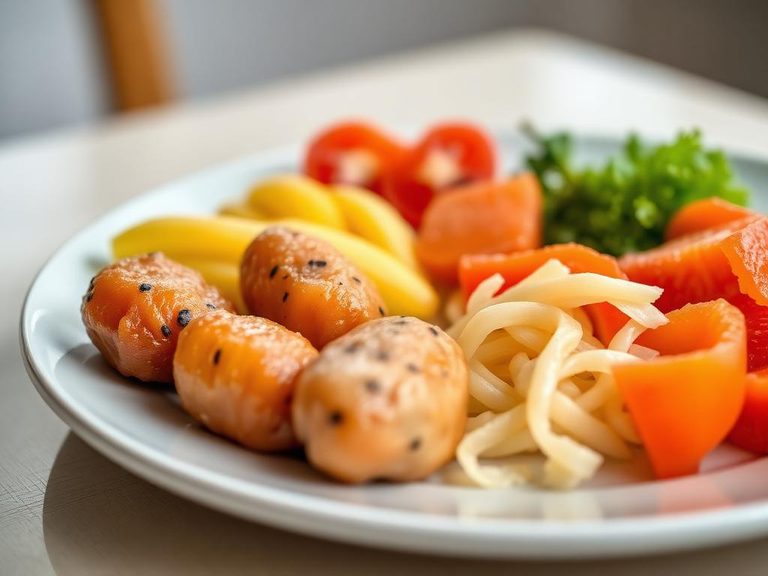 Part of a discharge feeding plan for low-birth-weight babies.
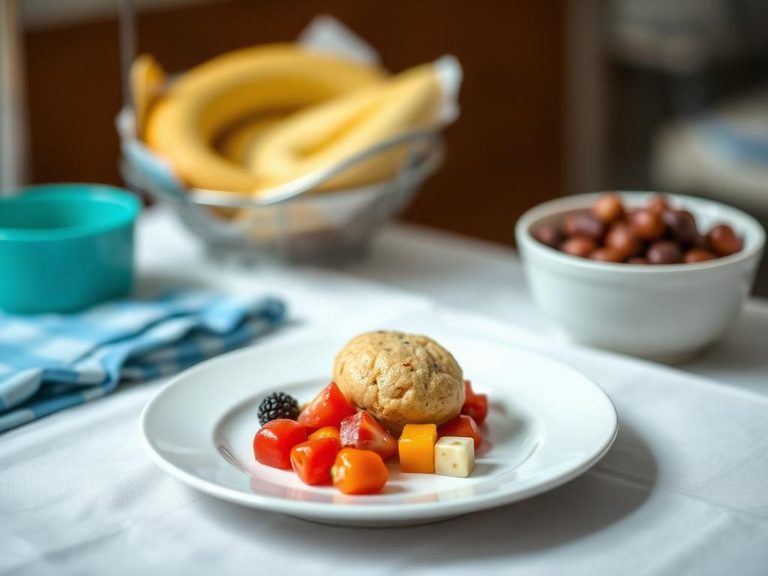 Administered as part of a structured NICU feeding plan
 Customized double cheeseburger with extra toppings
 Used in pediatric medical feeding plans
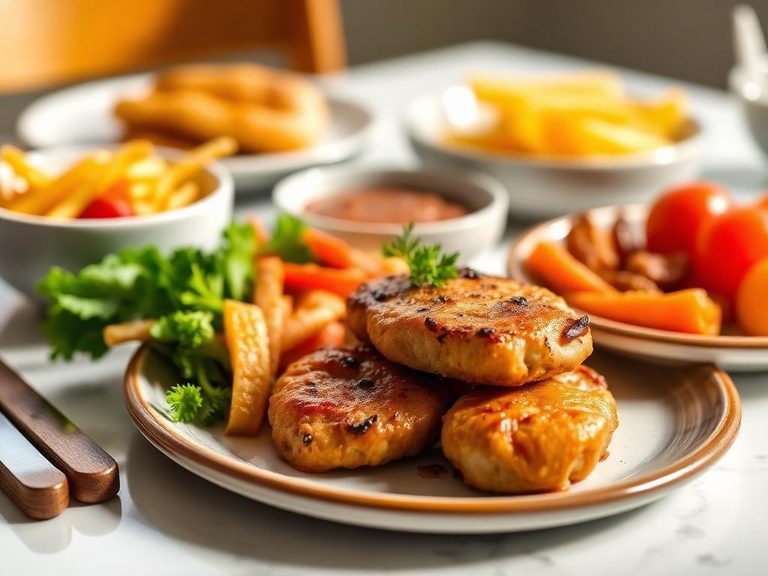 Component of specialty infant feeding plans
 Specialized infant feeding plan
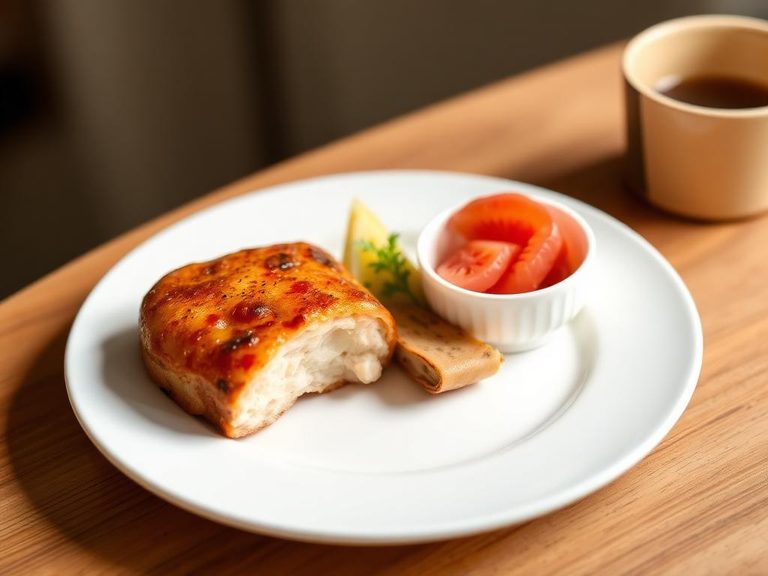 Component in specialized infant feeding plans
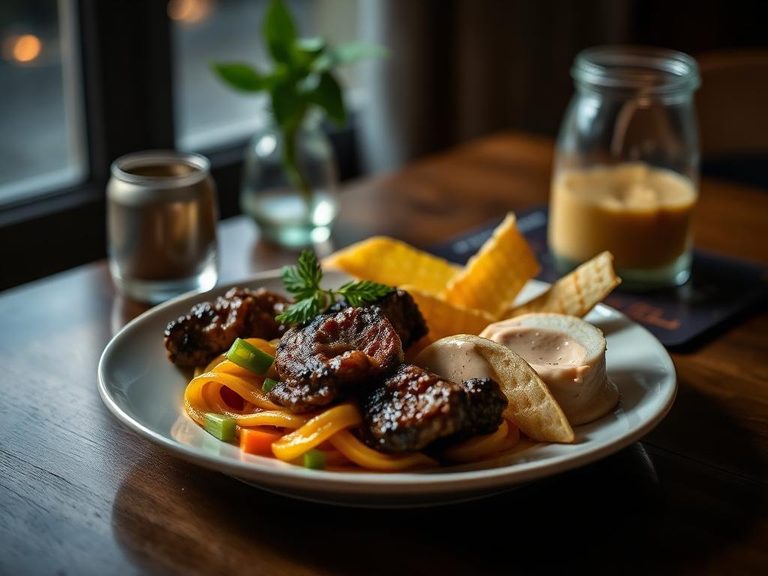 Part of a nighttime feeding routine