Part of a discharge feeding plan for low-birth-weight babies.
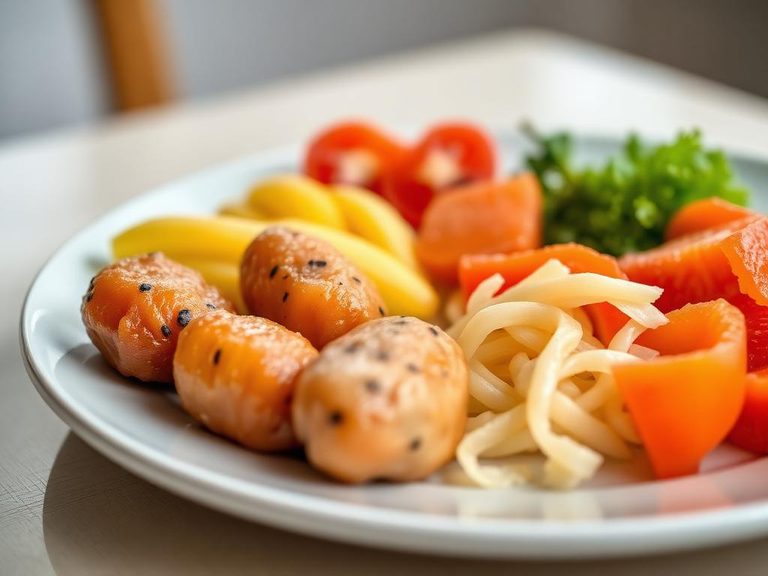
This is not a traditional dish but a specialized medical formula, typically a human milk fortifier or a high-calorie, nutrient-dense liquid supplement. It is designed to be added to expressed breast milk or used as a standalone feeding for premature or low-birth-weight infants to support rapid growth. It originates from neonatal intensive care units (NICUs) worldwide.
🍽️ Nutrition at a glance
This formula is engineered for high caloric density and optimal protein content to support catch-up growth, with a balanced profile of carbohydrates and fats for energy and brain development. A typical 100 ml serving provides approximately 80-90 kcal, with a key focus on delivering high-quality protein, essential fats (like DHA), and fortified vitamins and minerals.
Nutrition breakdown
| Calories | 85 kcal |
| Protein | 2.4 g |
| Carbs | 11.2 g |
| Fat | 3.8 g |
| Fiber | 0 g |
| Sugar | 7.5 g |
| Sodium | 45 mg |
| Calcium | 90 mg |
| Phosphorus | 50 mg |
| Iron | 1.2 mg |
| Vitamin D | 2.5 µg |
| Vitamin A | 100 µg |
| Zinc | 1.0 mg |
| DHA (Omega-3) | 15 mg |
| Vitamin E | 2.0 mg |
Per 100 ml (prepared formula) · estimated, varies by recipe
💡 What's interesting
What's unique is that it's a product of medical nutrition science, not culinary tradition, meticulously formulated to mimic the nutritional composition of breast milk while boosting its calorie and nutrient content. Its 'ingredients' are often hydrolyzed proteins, specific carbohydrate blends, and a precise mix of micronutrients tailored to the fragile physiology of a preterm infant.
🍽️ Related dishes
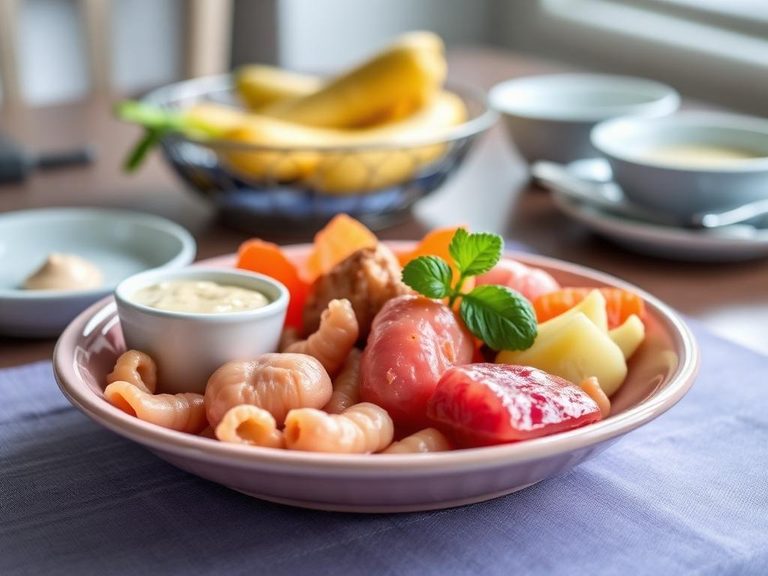 Supplemental feeding for low-birth-weight infants
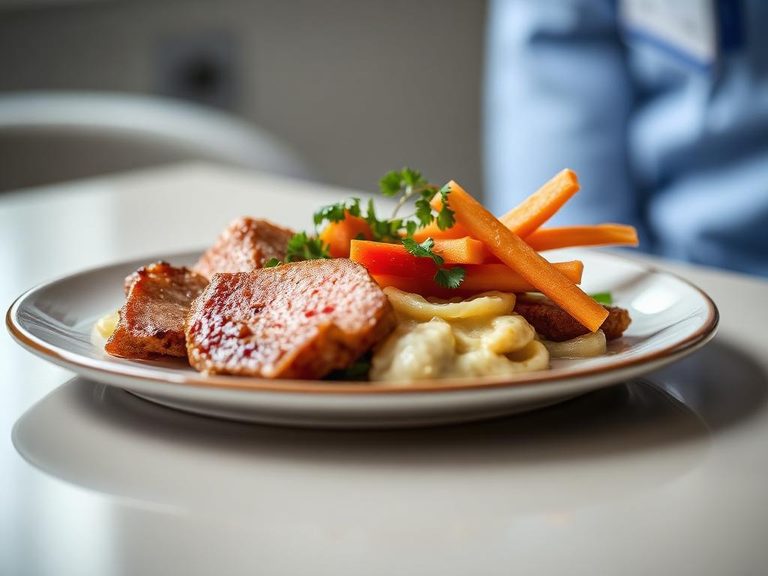 Part of a specialized discharge plan from NICU
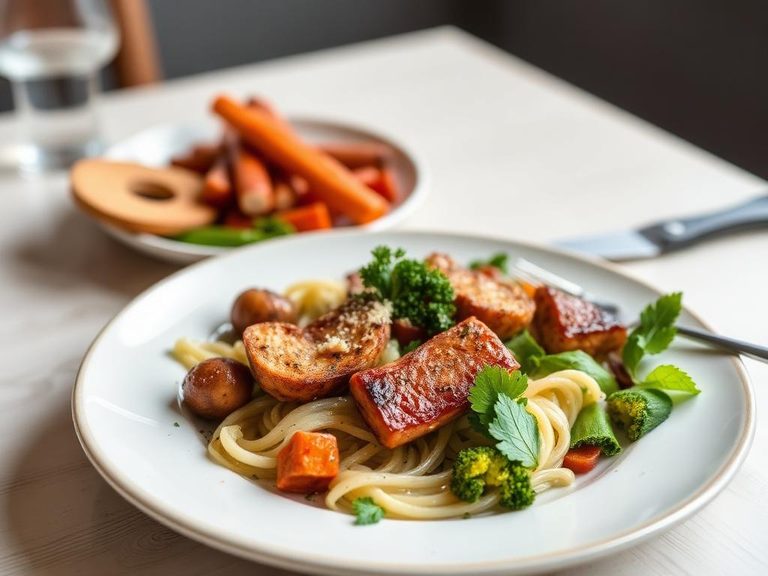 Part of a customized feeding plan
 Administered as part of a structured NICU feeding plan
 Formula-based fruit smoothie for older babies
 Formula-based smoothie for older babies
 Post-Discharge Nutritional Support
 Used in pediatric medical feeding plans