Supplemental feeding for low-birth-weight infants

Supplemental feeding for low-birth-weight infants is a specialized, nutrient-dense formula or human milk fortifier designed to support the growth and development of premature or low-birth-weight babies. It is typically a liquid or powder that is added to expressed breast milk or used as a standalone formula, and is developed by neonatal nutrition specialists in hospital settings worldwide.
🍽️ Nutrition at a glance
This supplemental feeding is exceptionally high in protein and fat to support rapid brain and body growth, with a balanced carbohydrate profile for energy. A typical 240 ml serving provides approximately 240-280 calories, delivering a concentrated source of essential nutrients like calcium, phosphorus, and DHA.
Nutrition breakdown
| Calories | 260 kcal |
| Protein | 5.4 g |
| Carbs | 28 g |
| Fat | 13 g |
| Fiber | 0 g |
| Sugar | 14 g |
| Sodium | 90 mg |
| Calcium | 180 mg |
| Phosphorus | 100 mg |
| Iron | 1.8 mg |
| Zinc | 1.5 mg |
| Vitamin D | 3.0 mcg |
| Vitamin A | 100 mcg |
| DHA (Omega-3) | 17 mg |
| Potassium | 110 mg |
Per 1 bottle (240 ml) · estimated, varies by recipe
💡 What's interesting
What makes this supplemental feeding unique is its precise, evidence-based formulation that mimics the composition of late-term breast milk while boosting key nutrients like protein and minerals to meet the extraordinary demands of a growing premature infant. It represents a critical intersection of medical science and nutrition, often being the primary source of nourishment for the most vulnerable newborns.
🍽️ Related dishes
 Part of a discharge feeding plan for low-birth-weight babies.
 Supplemental Feeding
 Infant supplemental feeding
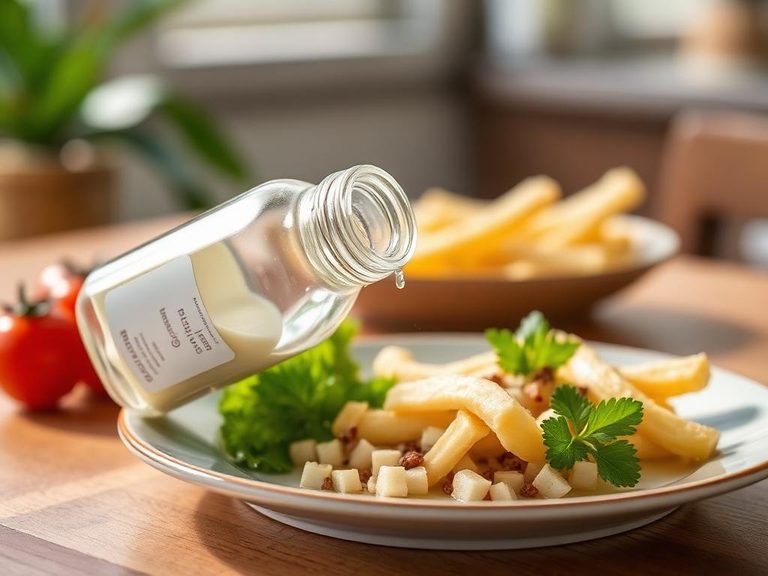 Added to a bottle for supplemental feeding
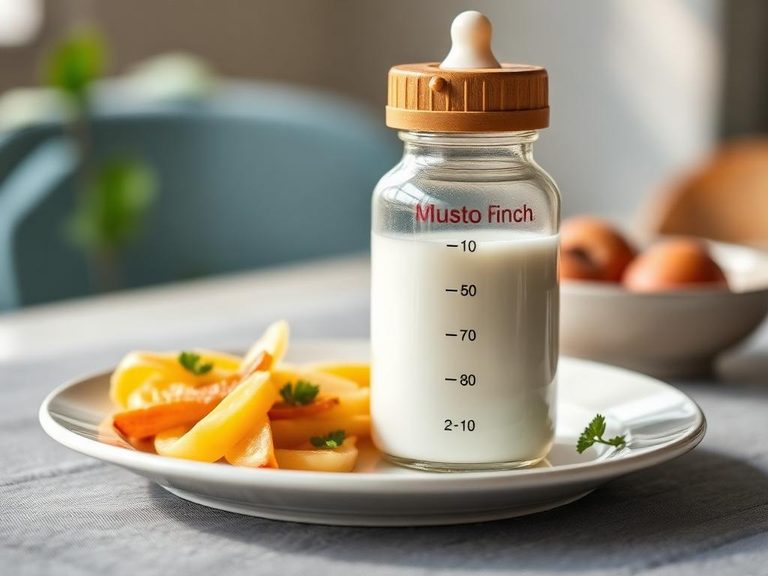 Used in a bottle for supplemental feeding
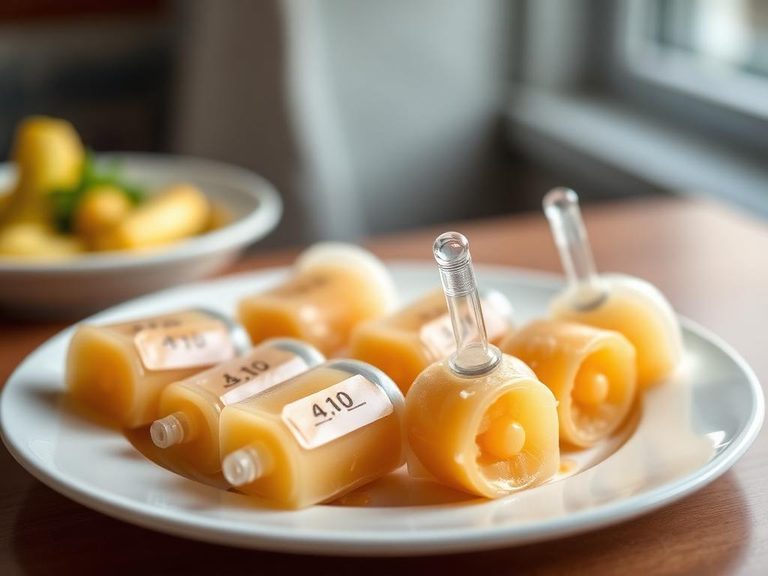 Used in medical feeding tubes for infants
 Primary feeding for premature infants in NICUs.
 Infant formula feeding