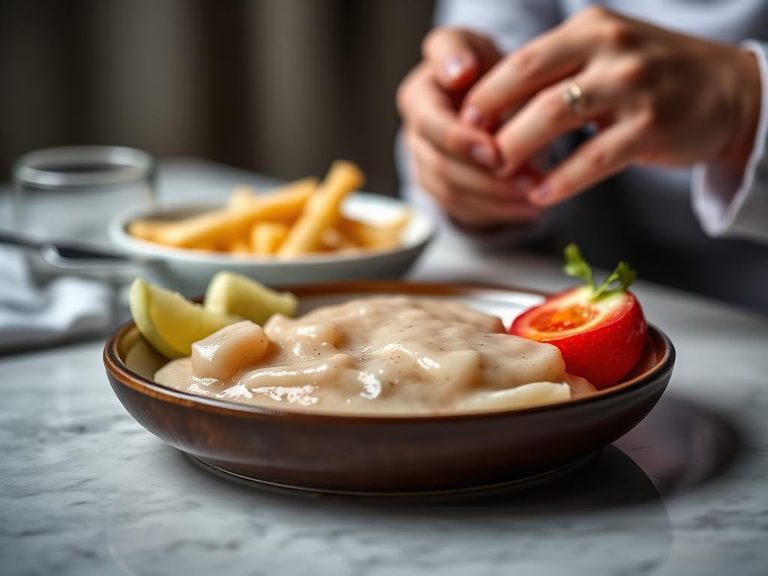
Infant supplemental feeding

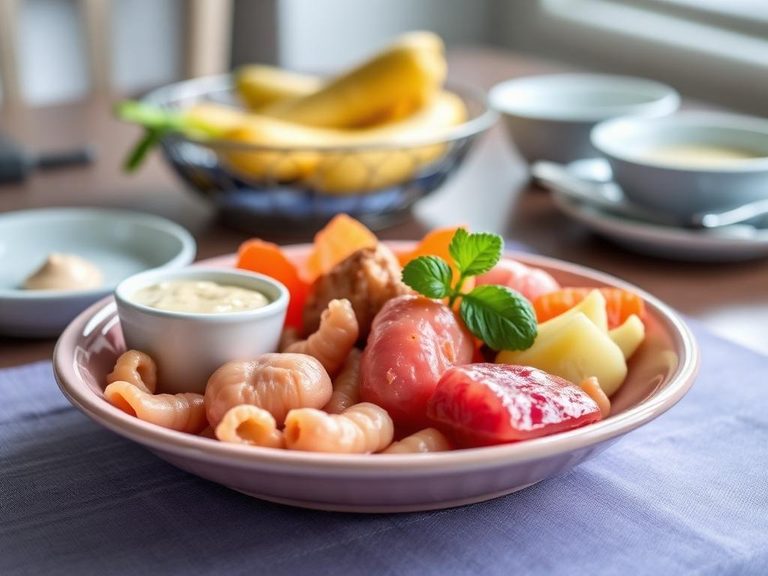
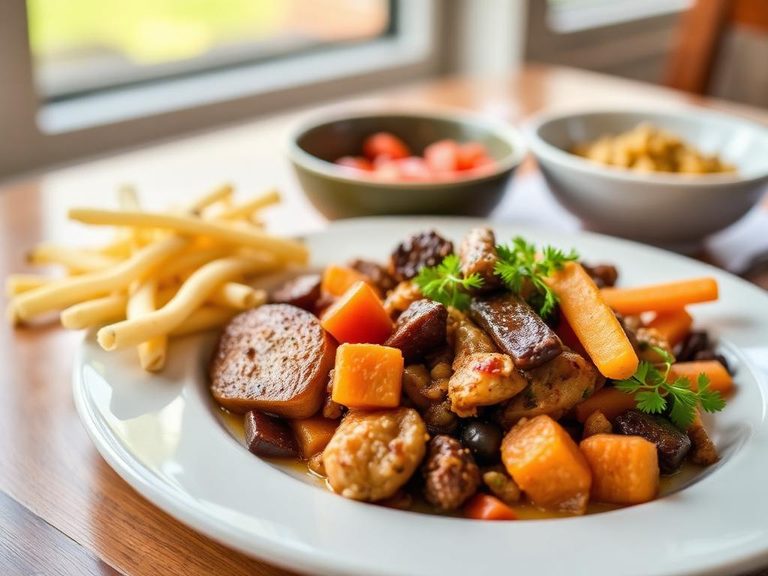
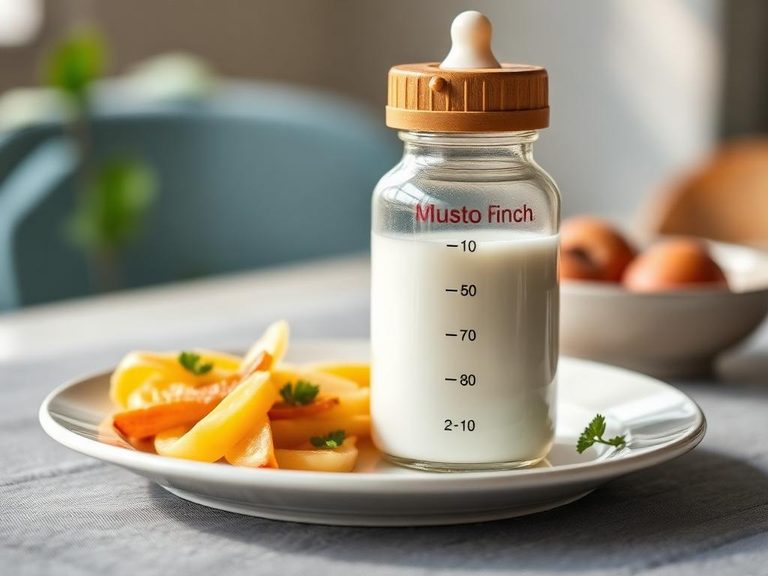
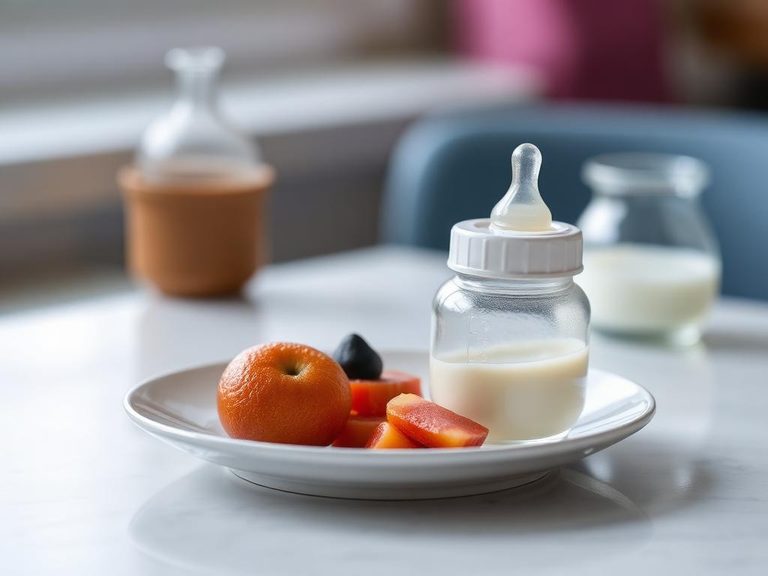
Infant supplemental feeding, often referred to as 'complementary feeding' or 'weaning food,' is the practice of introducing solid or semi-solid foods to infants alongside breast milk or formula, typically starting around 6 months of age. Common ingredients include iron-fortified cereals, pureed fruits and vegetables, and soft-cooked proteins, with preparations varying widely by culture and family preference.
🍽️ Nutrition at a glance
These foods are generally balanced to provide energy, protein, and essential nutrients for growth, with a calorie range often between 50-150 kcal per small serving depending on the specific food. They are a key source of iron, zinc, and vitamins like A and C, which are crucial for an infant's developing immune system and cognitive function.
Nutrition breakdown
| Calories | 80 kcal |
| Protein | 2.5 g |
| Carbs | 14 g |
| Fat | 1.5 g |
| Fiber | 2 g |
| Sugar | 4 g |
| Sodium | 15 mg |
| Iron | 2 mg |
| Zinc | 1 mg |
| Vitamin A | 100 µg |
| Vitamin C | 10 mg |
| Calcium | 50 mg |
| Potassium | 150 mg |
| Vitamin B6 | 0.1 mg |
| Folate | 30 µg |
Per 1/2 cup (120 g) · estimated, varies by recipe
💡 What's interesting
What makes infant supplemental feeding unique is its dual role as both nutrition and education, as it introduces new textures, tastes, and eating skills at a critical developmental window. Nutritionally, the emphasis on iron-rich foods is vital because infants' natural iron stores begin to deplete around 6 months, making this a pivotal period for preventing deficiencies.