Reconstituted as a complete infant feeding

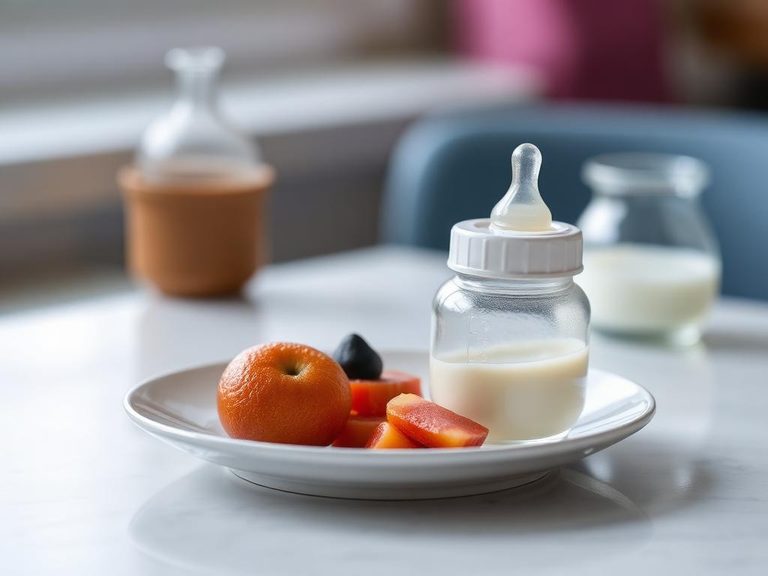
Reconstituted infant formula is a nutritionally complete liquid food made by mixing a dry powder with water. It is designed to replicate the nutritional profile of human breast milk and is the primary or supplementary food source for infants who are not breastfed. This product is a global staple in infant nutrition, developed in the 19th century and refined with modern food science.
🍽️ Nutrition at a glance
The formula is engineered to be a balanced source of energy, with a macronutrient ratio similar to breast milk: moderate in carbohydrates (primarily lactose), moderate in fat, and lower in protein. A typical serving provides essential calories for growth and is fortified with a comprehensive array of vitamins and minerals critical for infant development.
Nutrition breakdown
| Calories | 100 kcal |
| Protein | 2.1 g |
| Carbs | 11 g |
| Fat | 5.4 g |
| Fiber | 0 g |
| Sugar | 7 g |
| Sodium | 25 mg |
| Calcium | 70 mg |
| Iron | 1.2 mg |
| Vitamin D | 1.0 µg |
| Vitamin A | 60 µg |
| Vitamin C | 9 mg |
| Potassium | 80 mg |
| Phosphorus | 40 mg |
| Zinc | 0.5 mg |
Per 1 prepared bottle (150 ml) · estimated, varies by recipe
💡 What's interesting
What's fascinating is that this is a highly engineered food, not a 'dish' in the culinary sense. Its composition is strictly regulated by international standards (like those from Codex Alimentarius) to ensure it meets all an infant's nutritional needs, making it a marvel of applied nutritional science rather than a traditional recipe.