Infant feeding
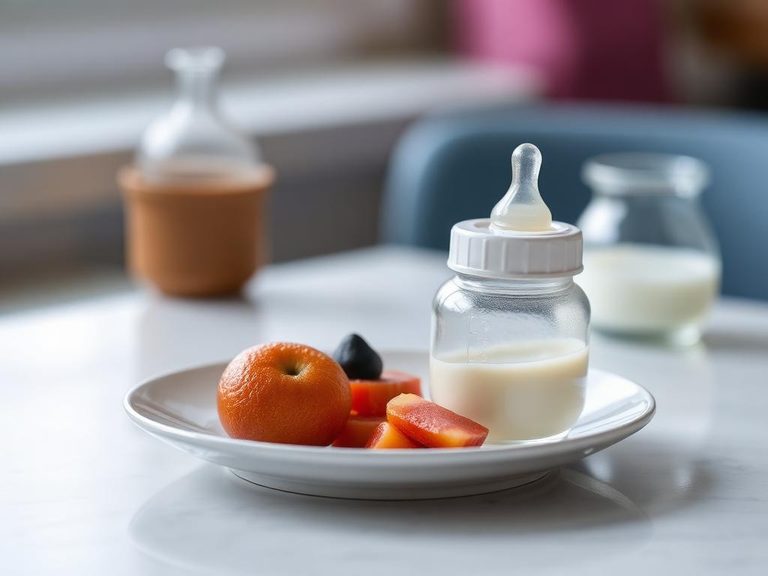
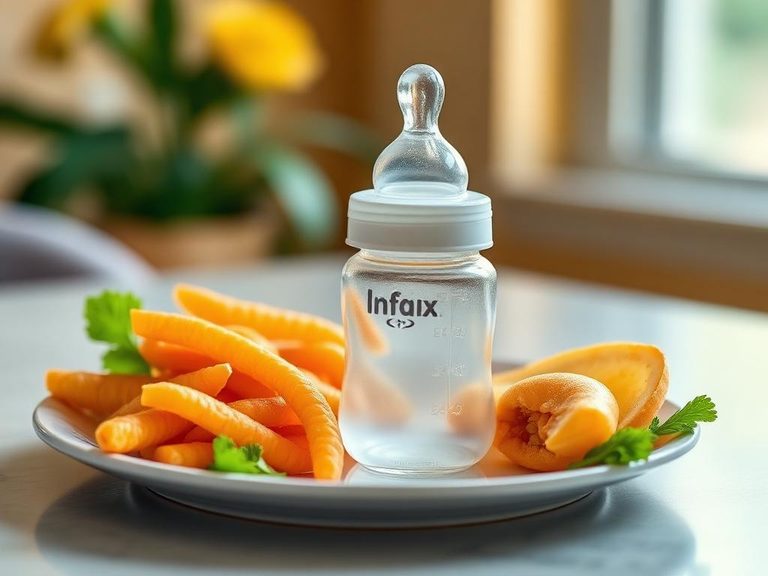
Infant feeding, specifically referring to the practice of providing nourishment to infants, typically involves breast milk or infant formula as the primary source of nutrition. Breast milk is a natural, complete food produced by the mother, while infant formula is a manufactured alternative designed to mimic its composition. This practice is universal across cultures, with the choice between breastfeeding and formula feeding often influenced by personal, medical, and societal factors.
🍽️ Nutrition at a glance
Infant feeding is designed to be a balanced source of nutrition, providing an appropriate mix of carbohydrates, fats, and proteins essential for early growth. It is particularly rich in key nutrients like calcium, iron, and vitamins A and D, with a calorie range of approximately 60-70 kcal per 100 ml, depending on the specific type (breast milk or formula).
Nutrition breakdown
| Calories | 78 kcal |
| Protein | 1.3 g |
| Carbs | 8.5 g |
| Fat | 4.5 g |
| Fiber | 0 g |
| Sugar | 7 g |
| Sodium | 22 mg |
| Calcium | 34 mg |
| Iron | 0.03 mg |
| Vitamin A | 60 mcg RAE |
| Vitamin D | 1.0 mcg |
| Potassium | 51 mg |
| Phosphorus | 14 mg |
| Zinc | 0.17 mg |
| Selenium | 1.3 mcg |
Per 1 feeding (120 ml) · estimated, varies by recipe
💡 What's interesting
What makes infant feeding unique is its dynamic nature; a mother's breast milk composition can change in real-time to meet her baby's evolving needs, such as increasing antibodies during illness. Nutritionally, it's fascinating that infant formula has been scientifically engineered over decades to closely replicate the complex bioactive components of human milk, including prebiotics and DHA for brain development.