Infant feeding bottle
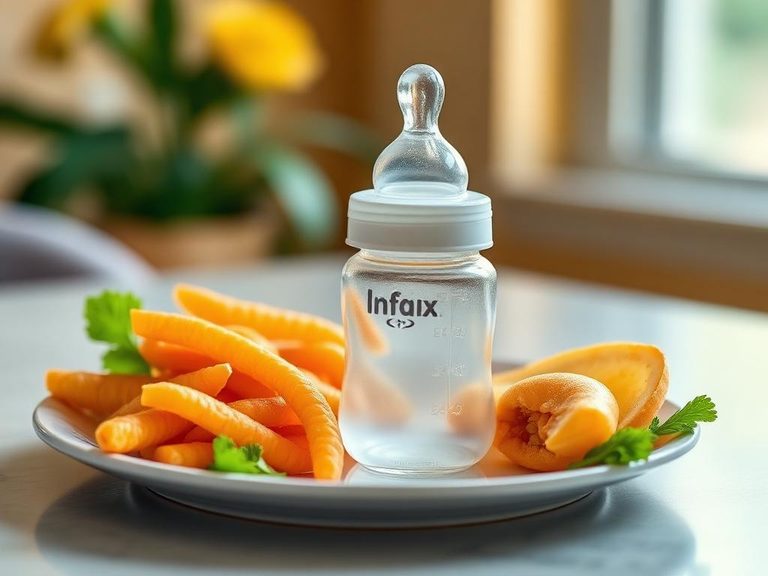
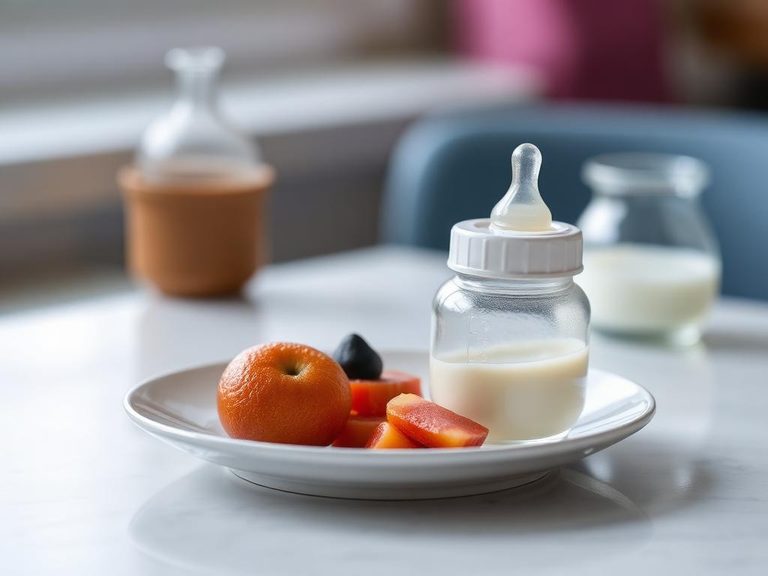
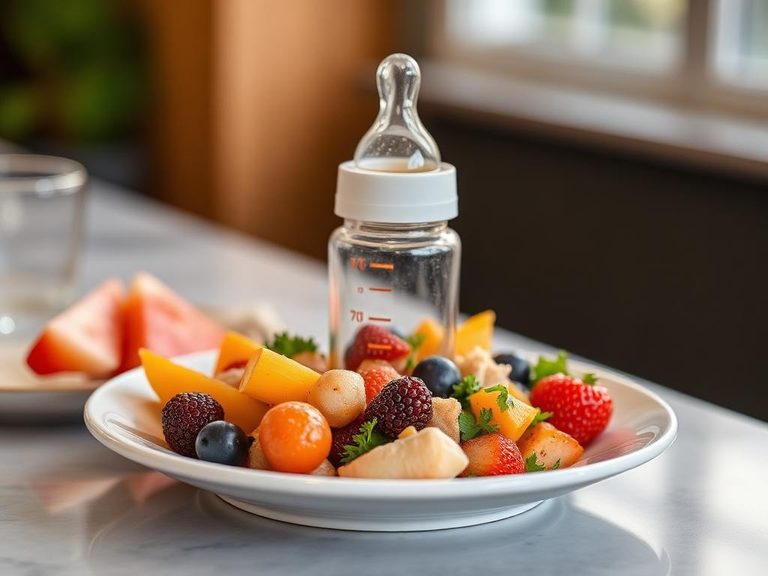
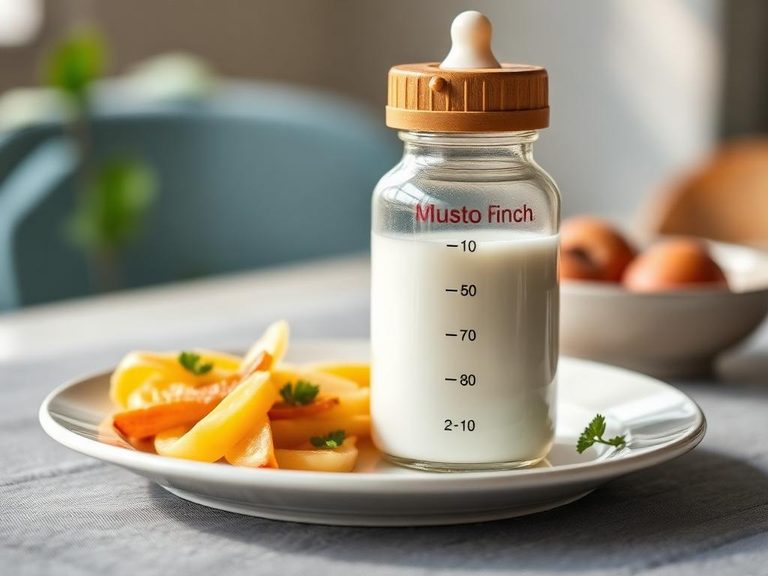
The 'Infant feeding bottle' is not a culinary dish but a common baby care item used to feed infants with milk or formula. It typically consists of a bottle made of plastic or glass, a nipple, and a cap, and is a staple in households worldwide for infant nutrition.
🍽️ Nutrition at a glance
As a feeding tool, it does not contain nutritional value itself; its contents (like breast milk or formula) provide essential nutrients such as carbohydrates, proteins, and fats, with calories varying based on the liquid fed to the infant.
Nutrition breakdown
| Calories | 130 kcal |
| Protein | 3.4 g |
| Carbs | 14.5 g |
| Fat | 6.8 g |
| Fiber | 0 g |
| Sugar | 14.5 g |
| Sodium | 60 mg |
| Calcium | 120 mg |
| Iron | 1.8 mg |
| Vitamin A | 200 mcg |
| Vitamin D | 4.0 mcg |
| Vitamin E | 1.5 mg |
| Vitamin K | 8.0 mcg |
| Phosphorus | 70 mg |
| Zinc | 1.0 mg |
Per 1 bottle (240 g) · estimated, varies by recipe
💡 What's interesting
Culturally, the infant feeding bottle represents modern parenting practices and has evolved over time with designs aimed at mimicking breastfeeding, highlighting its role in supporting infant health and development across diverse societies.