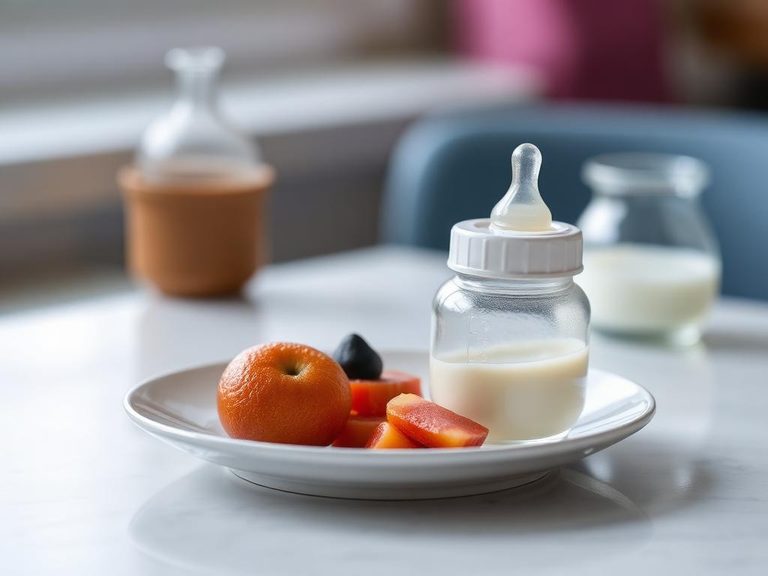
Mixed infant feeding bottle
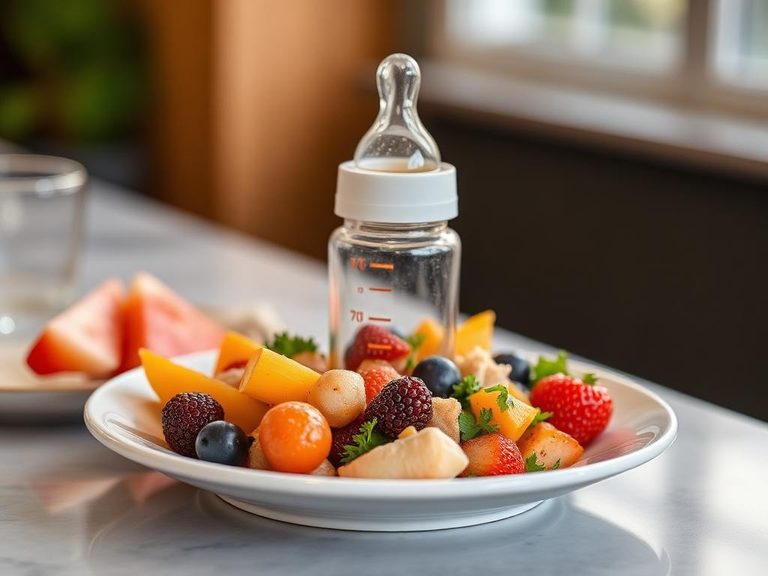
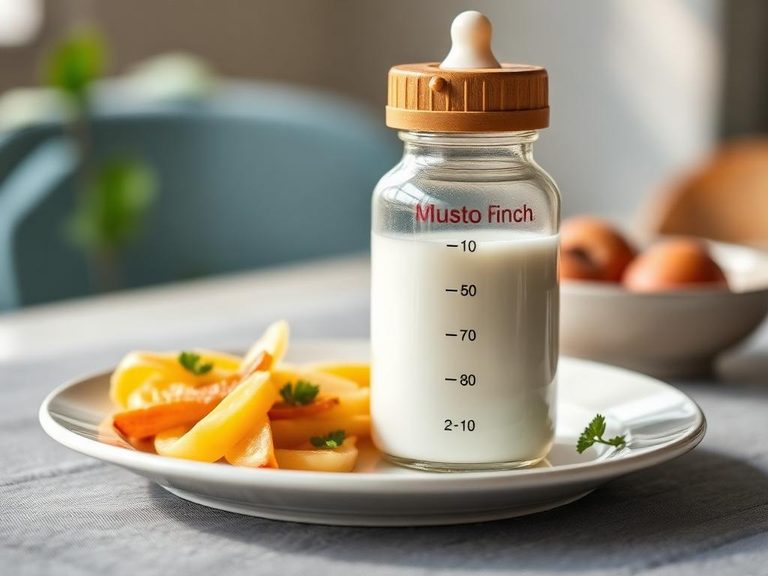
Mixed infant feeding bottle is not a culinary dish but rather a method of feeding infants by combining different types of milk or formula in a single bottle. It typically involves mixing breast milk with formula or water, or combining different formula brands, and is a common practice in many cultures worldwide to ensure infants receive adequate nutrition.
🍽️ Nutrition at a glance
The nutritional content varies significantly based on the specific combination used, but it is generally designed to be a balanced source of calories, protein, and essential nutrients for infant growth. A typical prepared bottle (around 180-240 ml) provides approximately 120-150 calories, with a macronutrient profile tailored to infant needs.
Nutrition breakdown
| Calories | 130 kcal |
| Protein | 2.5 g |
| Carbs | 14 g |
| Fat | 6 g |
| Fiber | 0 g |
| Sugar | 14 g |
| Sodium | 50 mg |
| Calcium | 80 mg |
| Vitamin D | 1.5 mcg |
| Iron | 1.8 mg |
| Vitamin A | 60 mcg |
| Vitamin C | 15 mg |
| Zinc | 1.5 mg |
| Phosphorus | 55 mg |
| Potassium | 90 mg |
Per 1 bottle (240 ml) · estimated, varies by recipe
💡 What's interesting
This practice highlights the adaptability of infant feeding to meet both nutritional needs and parental circumstances, such as transitioning between breast and bottle or supplementing breast milk. Nutritionally, it allows for precise control over the infant's caloric and nutrient intake, which is crucial for healthy development.