Direct feeding from bottle
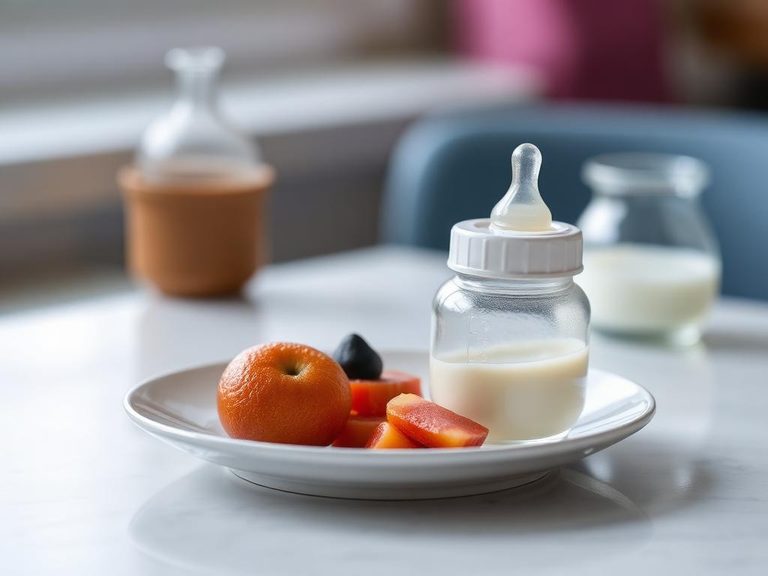
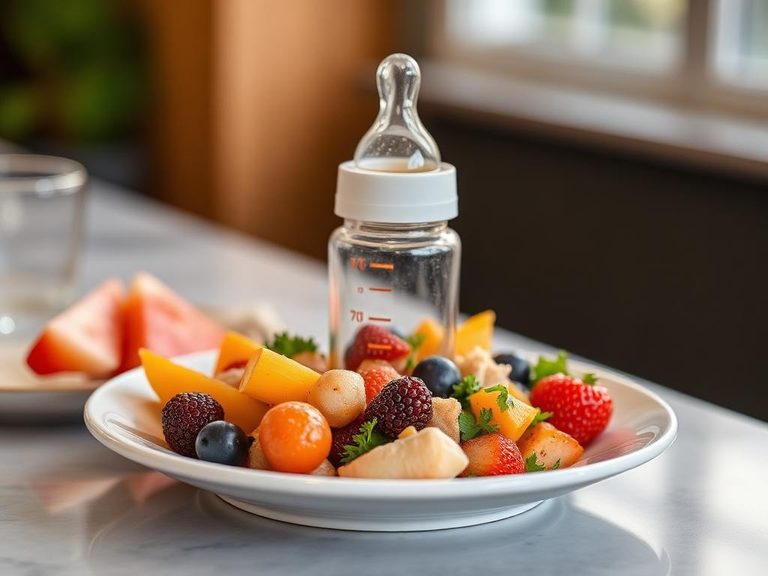
Direct feeding from bottle is not a culinary dish but a method of feeding infants or young children with milk or formula directly from a bottle. It typically involves infant formula, breast milk, or cow's milk as the main 'ingredient' and is a common practice worldwide for nourishing babies who are not yet ready for solid foods.
🍽️ Nutrition at a glance
This is not a food dish, so it doesn't have a standard nutritional profile like a meal. However, the milk or formula provided is a primary source of calories, fats, proteins, and essential nutrients like calcium and vitamins for an infant's growth, with a typical serving providing around 100-150 calories depending on the volume and type of milk.
Nutrition breakdown
| Calories | 80 kcal |
| Protein | 2 g |
| Carbs | 10 g |
| Fat | 4 g |
| Fiber | 0 g |
| Sugar | 10 g |
| Sodium | 25 mg |
| Calcium | 70 mg |
| Iron | 0.1 mg |
| Vitamin A | 60 mcg |
| Vitamin D | 1.0 mcg |
| Vitamin E | 0.8 mg |
| Vitamin K | 6.0 mcg |
| Vitamin C | 8.0 mg |
| Zinc | 0.5 mg |
Per 1 bottle (120 mL) · estimated, varies by recipe
💡 What's interesting
Culturally, bottle-feeding practices vary globally, influenced by factors like maternal employment, healthcare access, and social norms. Nutritionally, it's a key method for delivering tailored nutrition to infants, especially when breastfeeding isn't possible, and modern formulas are scientifically designed to mimic breast milk's benefits.