Direct Feeding
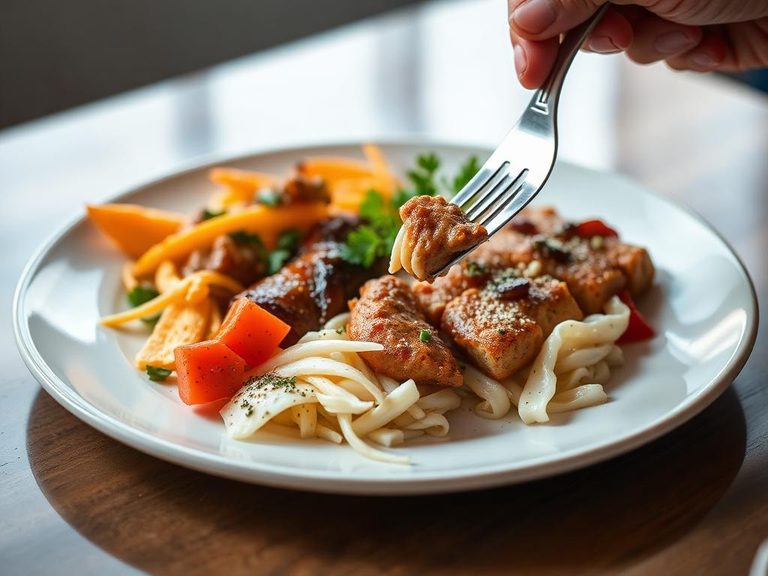
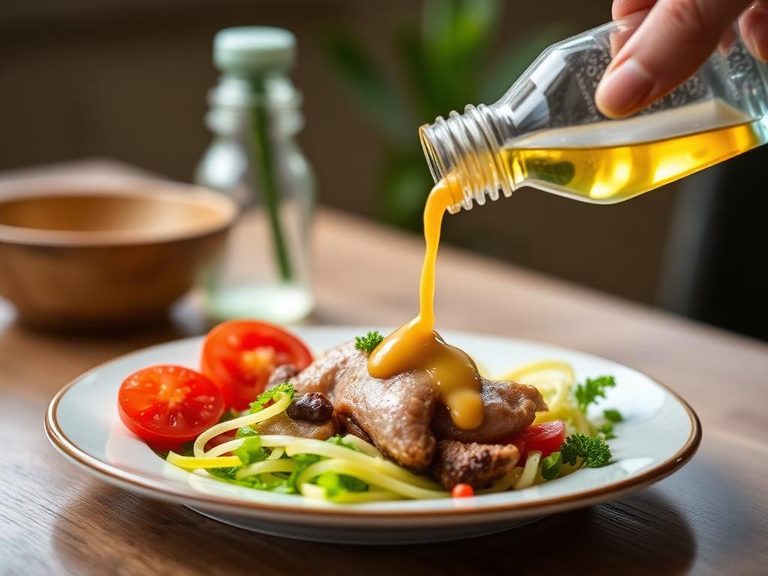
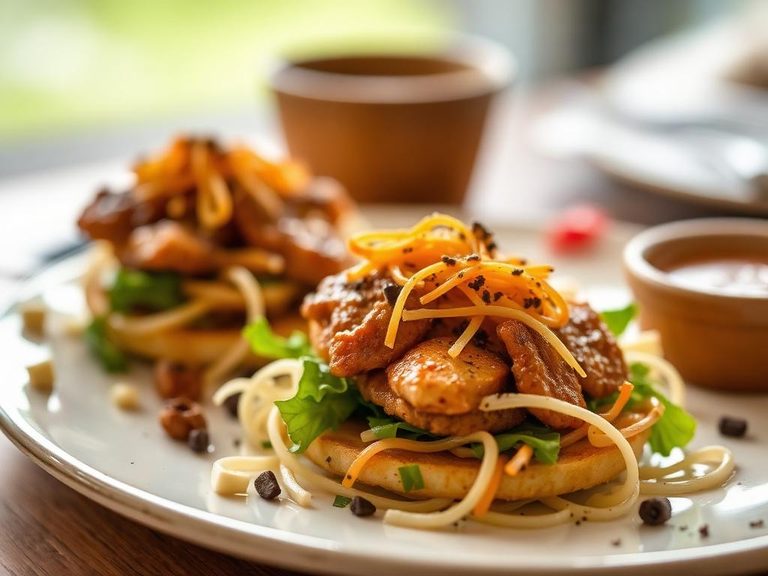
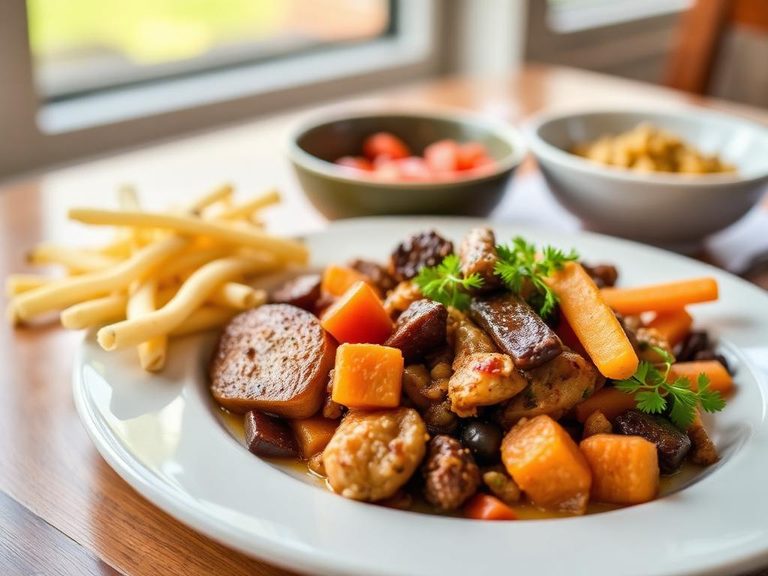
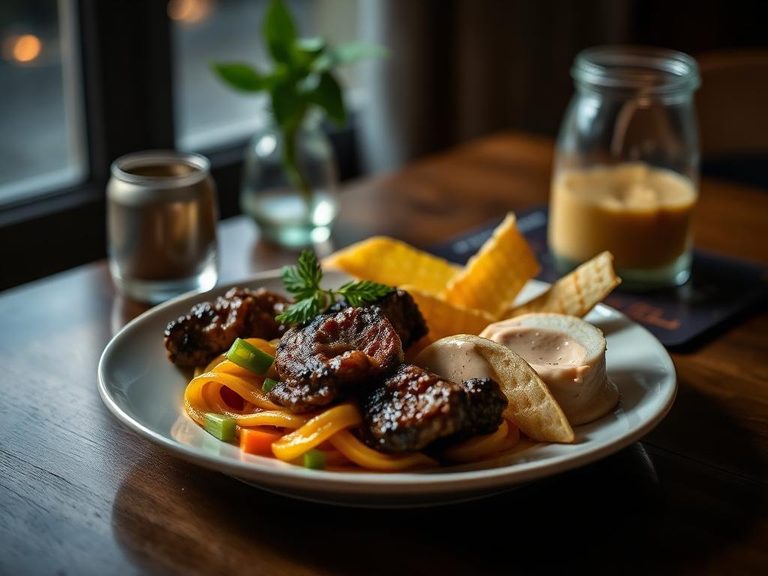
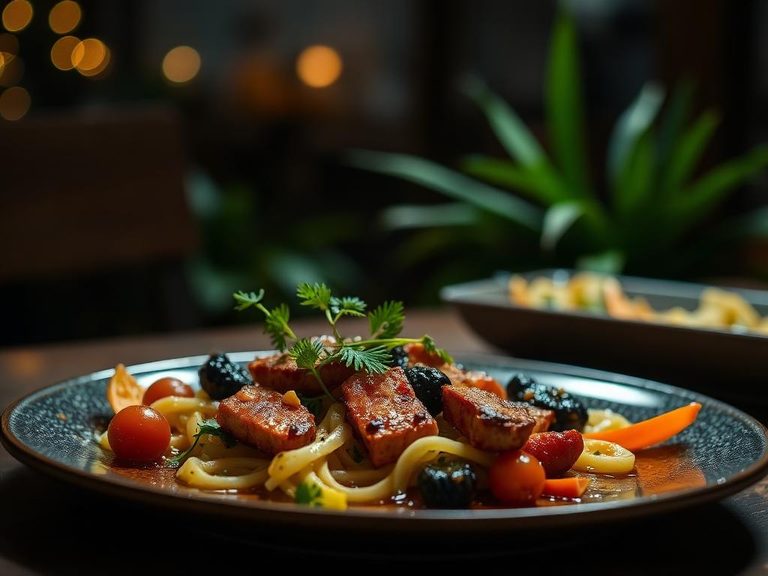
Direct Feeding is a traditional Chinese dish, often a comforting, one-pot meal or soup, typically featuring a broth base with a combination of proteins like pork, chicken, or tofu, and a variety of vegetables such as bok choy, mushrooms, and carrots. It's a staple in many Chinese households, valued for its simplicity and nutritional balance.
🍽️ Nutrition at a glance
This dish is generally well-balanced, offering a moderate amount of protein from its meat or tofu components, complex carbohydrates from vegetables and sometimes added noodles or rice, and healthy fats from cooking oils or broth. A typical serving provides a good range of vitamins and minerals, with a calorie count that can vary widely, often falling between 300-500 kcal depending on the specific recipe and portion size.
Nutrition breakdown
| Calories | 420 kcal |
| Protein | 25 g |
| Carbs | 35 g |
| Fat | 18 g |
| Fiber | 6 g |
| Sugar | 5 g |
| Sodium | 850 mg |
| Vitamin A | 300 µg |
| Vitamin C | 25 mg |
| Iron | 3.5 mg |
| Calcium | 120 mg |
| Potassium | 550 mg |
| Vitamin B6 | 0.4 mg |
| Magnesium | 45 mg |
| Zinc | 2.8 mg |
Per 1 bowl (400 g) · estimated, varies by recipe
💡 What's interesting
The name 'Direct Feeding' is a literal translation and reflects the dish's heartiness and direct, nourishing quality, often served to provide comfort and sustenance. Nutritionally, it's a prime example of a 'complete meal in a bowl,' efficiently delivering macronutrients and micronutrients in a single, flavorful preparation.