Baby food spoon-fed directly
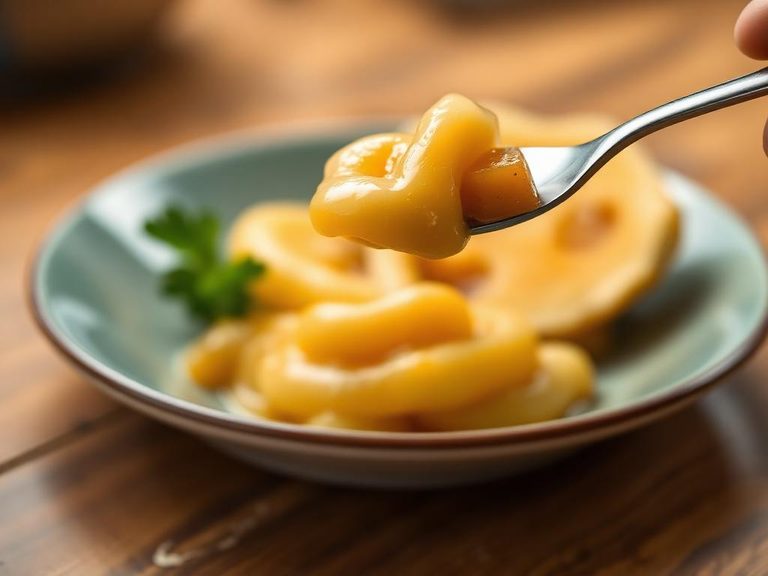
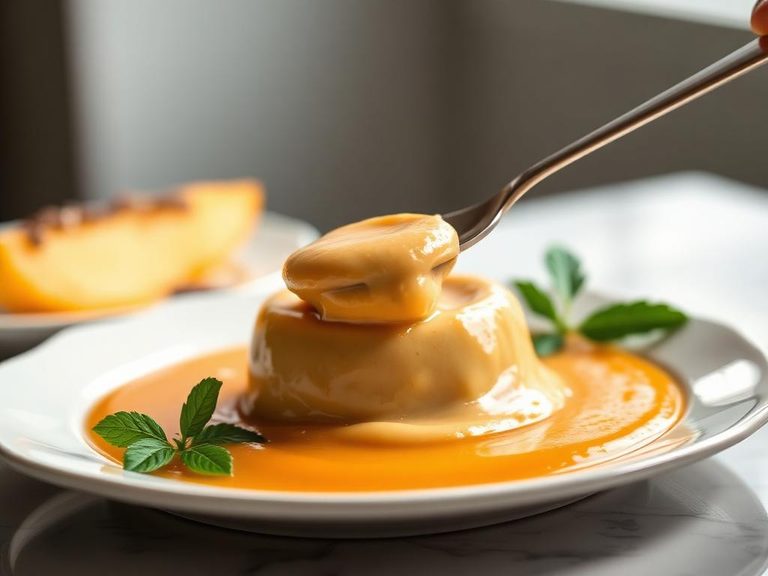
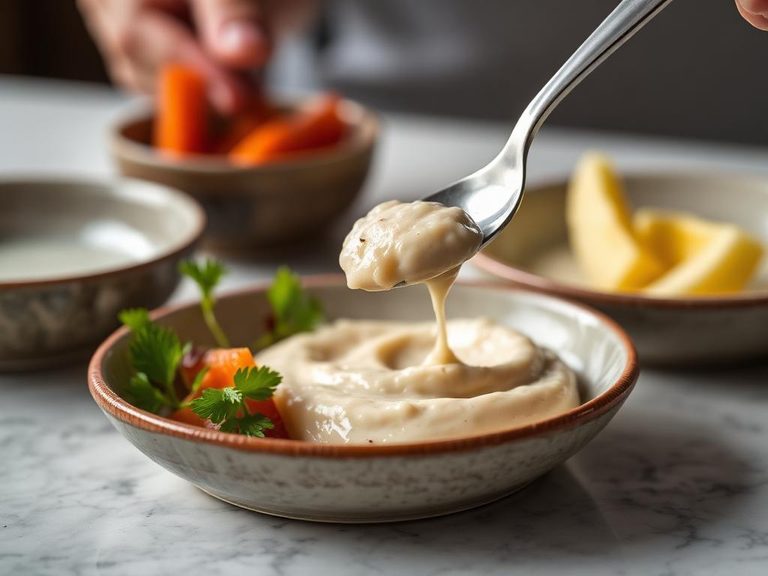
This isn't a traditional dish but a method of feeding infants, where a caregiver spoon-feeds a smooth, semi-solid puree directly to the baby. The 'ingredients' are typically single or blended foods like mashed bananas, pureed carrots, sweet potatoes, or fortified baby cereals mixed with breast milk or formula. It is a universal practice in modern parenting, especially during the weaning stage.
🍽️ Nutrition at a glance
The nutritional profile is highly variable and depends entirely on the specific food being spoon-fed. Generally, it is designed to be nutrient-dense, providing essential carbohydrates for energy, along with key vitamins and minerals like iron and zinc from fortified cereals or meats, and vitamins A and C from fruits and vegetables.
Nutrition breakdown
| Calories | 80 kcal |
| Protein | 2 g |
| Carbs | 14 g |
| Fat | 1.5 g |
| Fiber | 2 g |
| Sugar | 3 g |
| Sodium | 30 mg |
| Iron | 2 mg |
| Vitamin A | 120 mcg |
| Vitamin C | 15 mg |
| Calcium | 40 mg |
| Potassium | 180 mg |
| Zinc | 0.5 mg |
| Thiamin (B1) | 0.15 mg |
| Niacin (B3) | 1 mg |
Per 1 jar (113 g) of a typical mixed vegetable and grain puree · estimated, varies by recipe
💡 What's interesting
The cultural uniqueness lies in the transition it represents—from exclusive milk feeding to the exploration of flavors, textures, and family foods. Nutritionally, it's a critical period for introducing allergens and establishing eating patterns, making it a foundational experience for lifelong nutrition.