Standalone spoon-fed puree
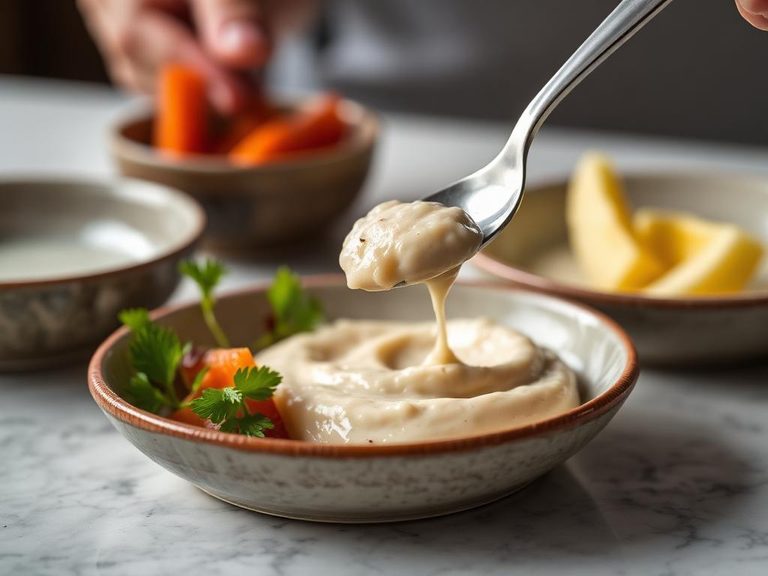
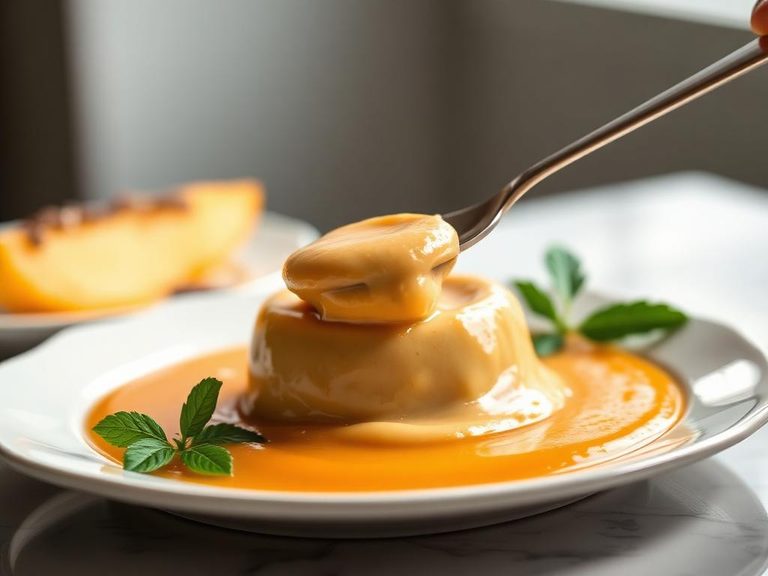
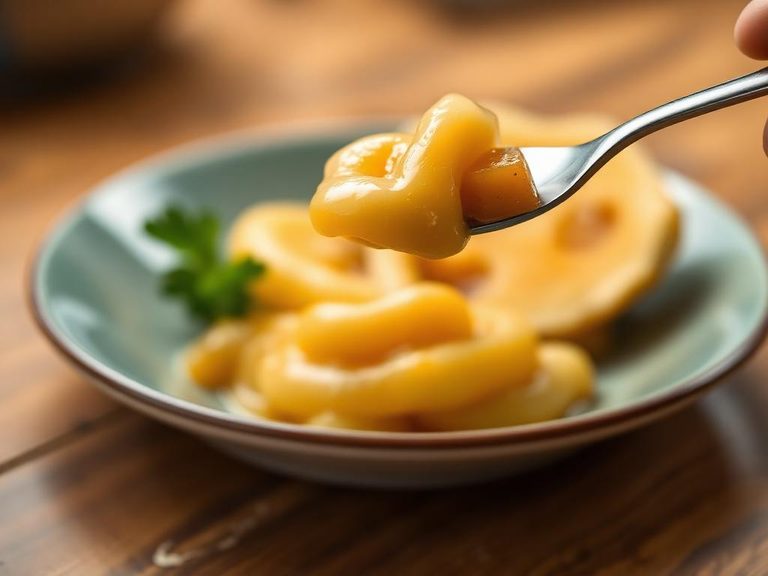
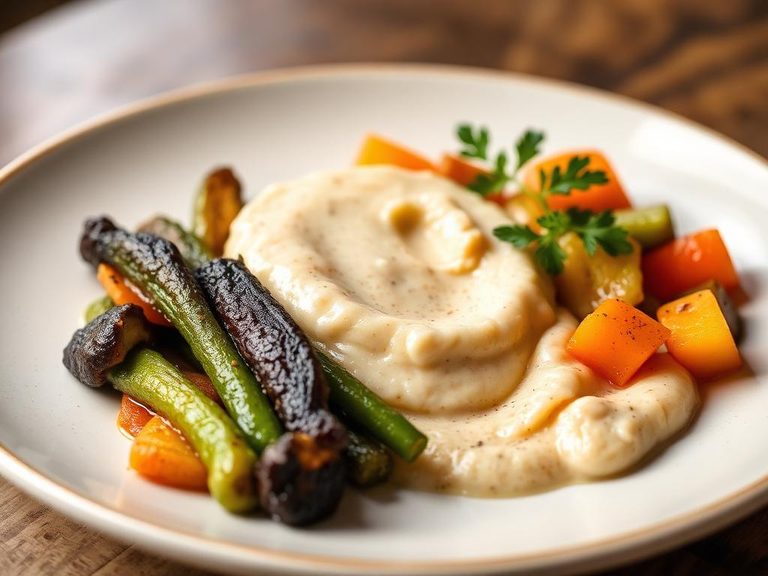
Standalone spoon-fed puree is a smooth, single-ingredient baby food, typically made from one fruit or vegetable like sweet potato, apple, or carrot. It is designed for infants transitioning to solids, offering a simple and digestible first food. The dish is common worldwide in various forms, often as a foundational part of a baby's diet.
🍽️ Nutrition at a glance
This dish is generally high in carbohydrates from natural sugars and starches, with minimal fat and protein. It provides key nutrients like vitamin A (from orange vegetables), vitamin C (from fruits), and potassium, with a typical serving containing around 60-100 calories.
Nutrition breakdown
| Calories | 80 kcal |
| Protein | 1 g |
| Carbs | 18 g |
| Fat | 0 g |
| Fiber | 2 g |
| Sugar | 10 g |
| Sodium | 10 mg |
| Vitamin A | 150 mcg |
| Vitamin C | 15 mg |
| Potassium | 250 mg |
| Calcium | 20 mg |
| Iron | 0.5 mg |
| Vitamin B6 | 0.1 mg |
| Folate | 15 mcg |
| Magnesium | 15 mg |
Per 1 jar (113 g) · estimated, varies by recipe
💡 What's interesting
Nutritionally interesting for its role in early development, these purees are often the first introduction to varied flavors and nutrients beyond milk. Culturally, the practice of spoon-feeding purees is a universal milestone, though the specific ingredients used can reflect local agricultural staples and traditional weaning foods.