Post-Discharge Nutritional Support
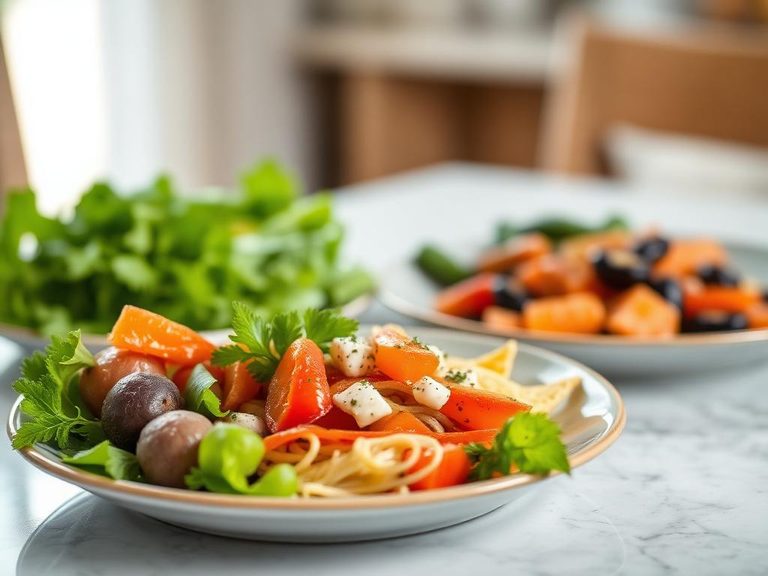
Post-Discharge Nutritional Support is not a single traditional dish but a category of therapeutic, easily digestible foods designed for individuals recovering from illness, surgery, or hospitalization. These meals typically feature soft textures and include ingredients like congee, pureed vegetables, steamed fish, egg custards, and nutrient-fortified broths. The concept is prevalent in many Asian healthcare systems, particularly in China, where it's a standard part of post-hospital care.
🍽️ Nutrition at a glance
These meals are typically balanced to be moderate in calories, high in easily digestible protein for tissue repair, and rich in micronutrients. A standard serving generally provides 300-500 kcal, focusing on high-quality protein and essential vitamins to support recovery.
Nutrition breakdown
| Calories | 380 kcal |
| Protein | 22 g |
| Carbs | 45 g |
| Fat | 12 g |
| Fiber | 5 g |
| Sugar | 6 g |
| Sodium | 450 mg |
| Vitamin A | 300 µg RAE |
| Vitamin C | 25 mg |
| Calcium | 180 mg |
| Iron | 4 mg |
| Potassium | 550 mg |
| Zinc | 3 mg |
| Vitamin B12 | 1.5 µg |
| Phosphorus | 220 mg |
Per 1 typical meal set (approx. 400 g) · estimated, varies by recipe
💡 What's interesting
Culturally, this approach reflects the Chinese principle of 'food as medicine' (食疗), where diet is integral to healing. Nutritionally, the meals are uniquely engineered for bioavailability, often using cooking methods that maximize nutrient absorption for a weakened digestive system.
🍽️ Related dishes
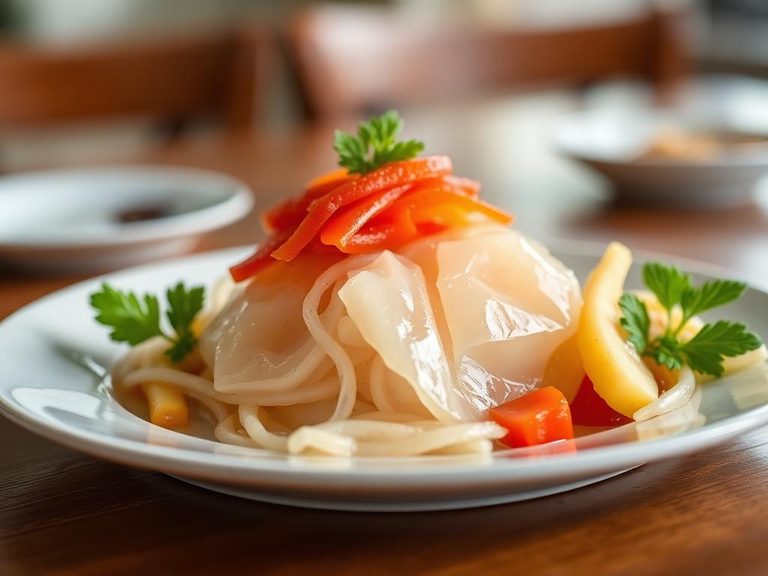 Oral rehydration support
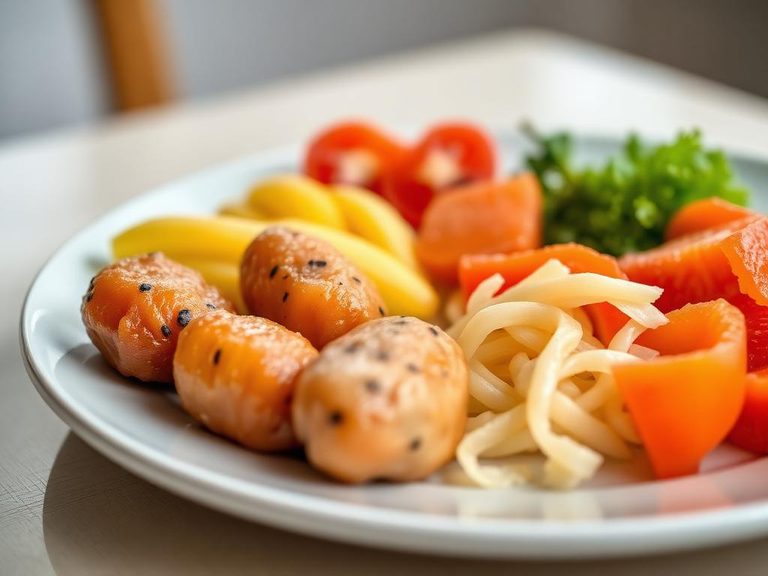 Part of a discharge feeding plan for low-birth-weight babies.
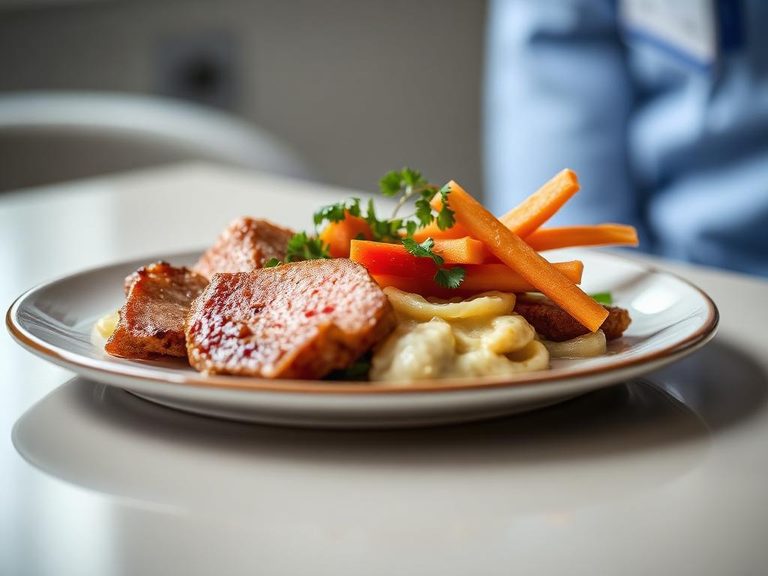 Part of a specialized discharge plan from NICU
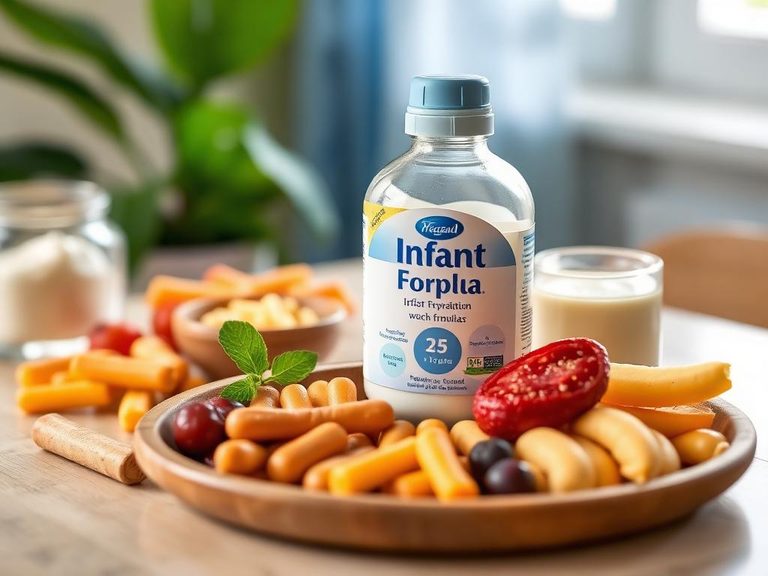 Infant formula and nutritional supplements
 Picky-eater nutritional boost
 Nutritional supplements and meal replacements
 Nutritional supplements and meal replacement drinks
 Nutritional Supplement in Infant Formulas