Picky-eater nutritional boost
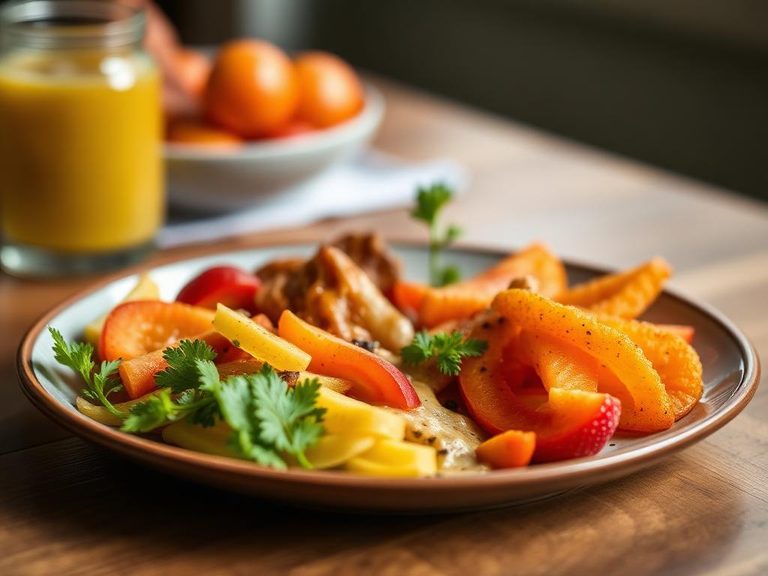
The 'Picky-eater nutritional boost' is a modern, flexible home-cooking concept rather than a traditional dish. It typically involves blending nutrient-dense ingredients like spinach, avocado, or Greek yogurt into familiar, kid-friendly foods such as smoothies, macaroni and cheese, or muffins. This approach originated in contemporary Western home kitchens as a practical solution for parents.
🍽️ Nutrition at a glance
This dish is designed to be nutritionally balanced, often boosting protein and fiber while moderating unhealthy fats and sugars. Key nutrients depend on the specific ingredients used, but common additions provide vitamins A, C, K, calcium, and potassium, with a typical serving ranging from 150 to 400 calories.
Nutrition breakdown
| Calories | 320 kcal |
| Protein | 12 g |
| Carbs | 55 g |
| Fat | 6 g |
| Fiber | 8 g |
| Sugar | 30 g |
| Sodium | 150 mg |
| Vitamin A | 450 mcg |
| Vitamin C | 85 mg |
| Calcium | 300 mg |
| Iron | 3.5 mg |
| Potassium | 600 mg |
| Magnesium | 80 mg |
| Vitamin D | 2.5 mcg |
| Vitamin B12 | 1.2 mcg |
Per 1 smoothie (400 g) · estimated, varies by recipe
💡 What's interesting
What's unique is its focus on stealth nutrition and food psychology, using techniques like pureeing vegetables into sauces to increase acceptance. Culturally, it reflects a modern emphasis on proactive health and the creative adaptation of cooking to meet family nutritional goals.
🍽️ Related dishes
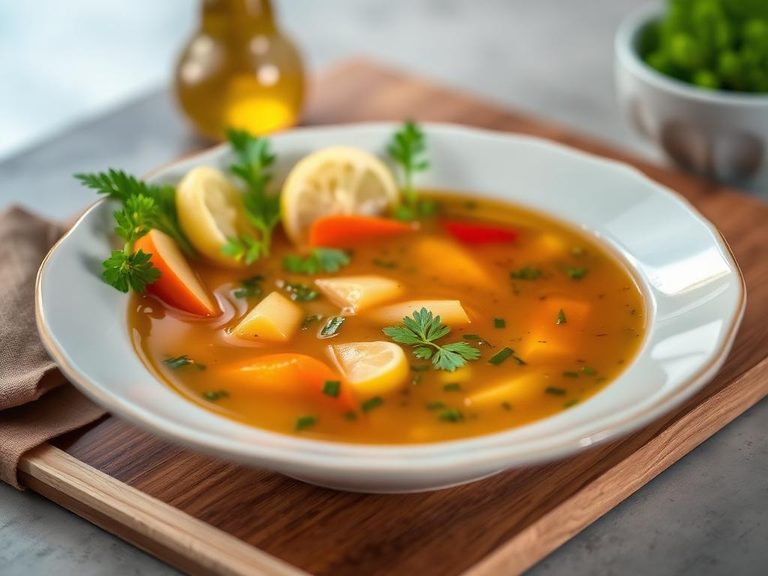 Nutritional booster for soups or broths
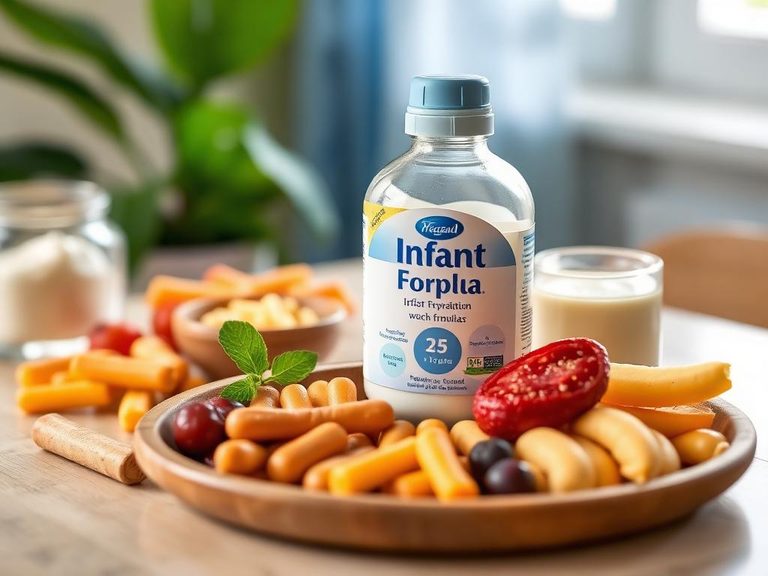 Infant formula and nutritional supplements
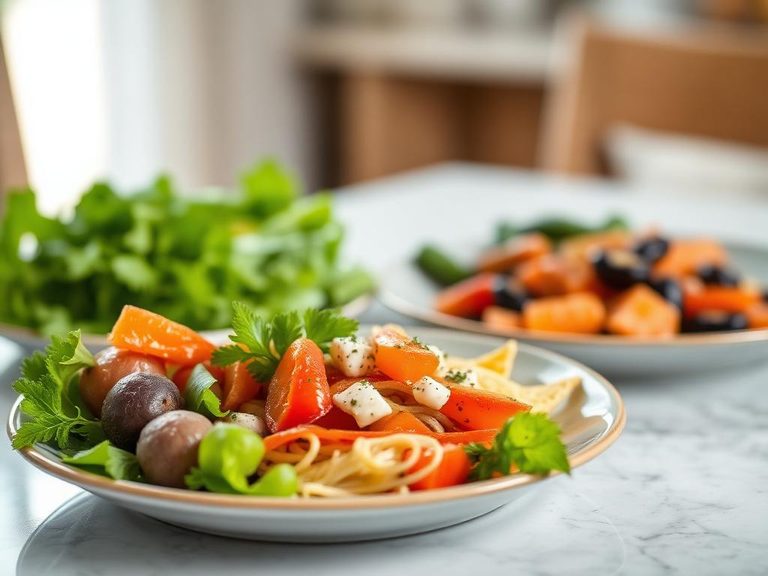 Post-Discharge Nutritional Support
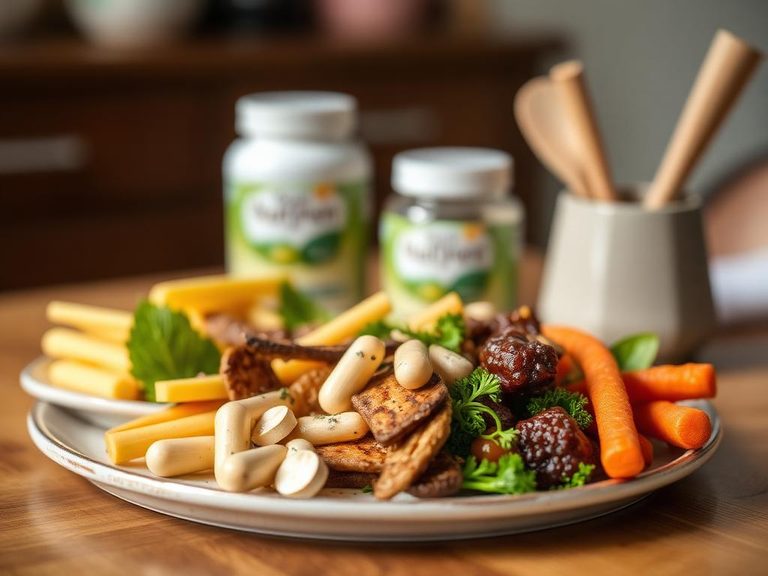 Nutritional supplements and meal replacements
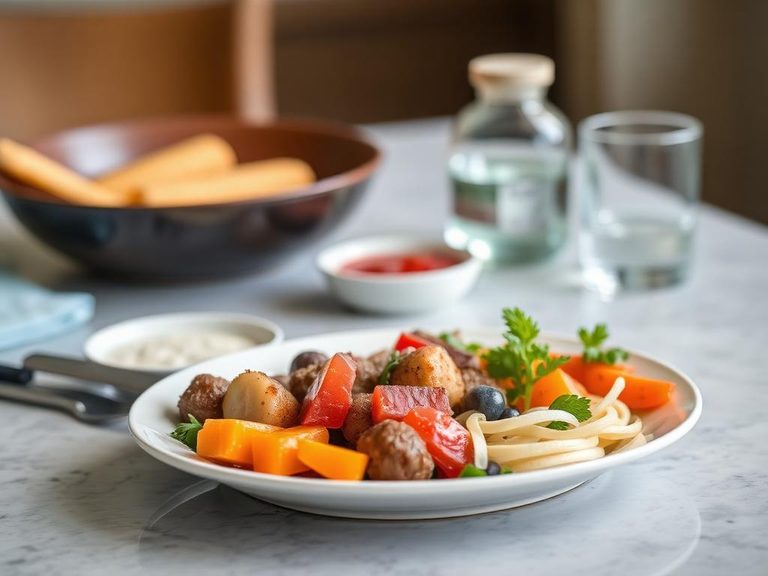 Used in special medical nutritional formulas
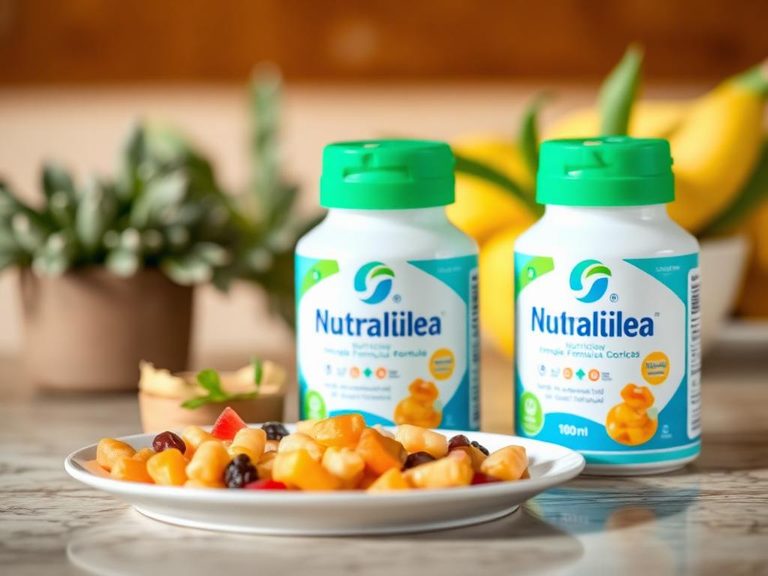 Nutritional Supplement in Infant Formulas
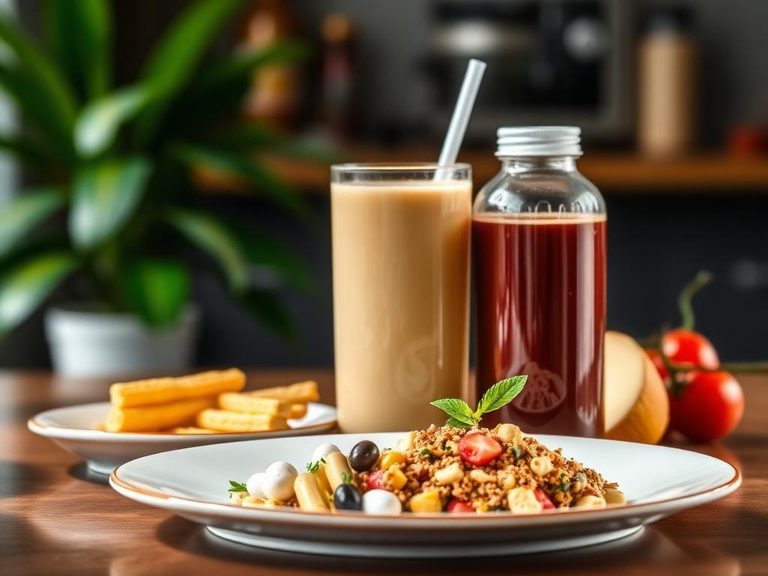 Nutritional supplements and meal replacement drinks
 Nutritional Pudding