

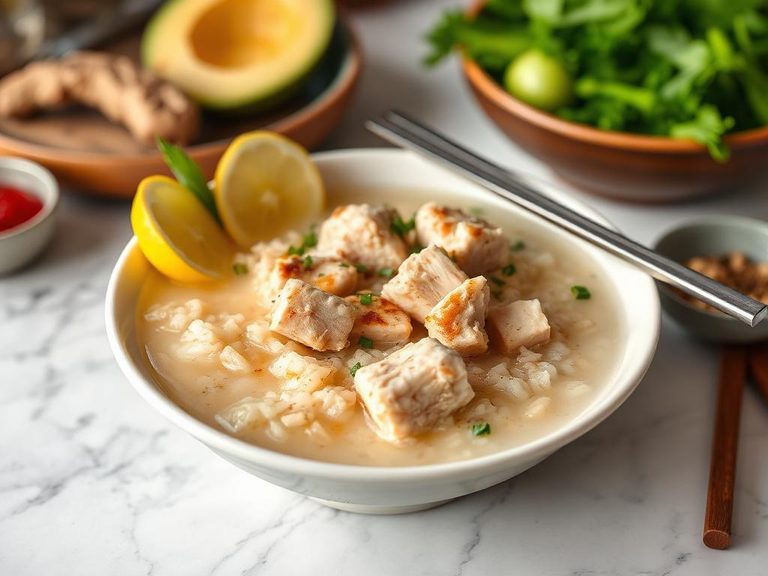
Congee, with meat, poultry, and/or seafood
Common food

Photo: Wikipedia
Congee is a savory rice porridge where grains are cooked down until they burst, creating a silky, starchy base that absorbs the flavors of its meat, poultry, or seafood toppings. Its mild, comforting taste and smooth, almost gelatinous texture make it a blank canvas for savory garnishes. Nutritionally, it's a light, low-calorie base that delivers a quick energy boost from its simple carbohydrates.
Calorie split: 31% protein · 49% carbs · 20% fat
↓ Full nutrition💚 Why it's loved
People love congee for its profound comfort and versatility—it's a warm, soothing bowl that can be tailored with countless savory toppings like crispy shallots, fresh herbs, or a marinated egg. It's deeply rooted in Asian culinary traditions as a nourishing breakfast or restorative meal.
⚠️ Watch-outs & how to enjoy it better
Its high glycemic index can cause rapid blood-sugar spikes, making it less ideal for those managing diabetes without careful pairing. To counteract this, always add a significant portion of protein (like shredded chicken or pork) and healthy fats (like sesame oil or nuts) to slow digestion. Be mindful of sodium from added sauces or broths.
Key benefits
- Easy to digest and gentle on the stomach
- Provides quick energy from simple carbohydrates
- Highly customizable for added protein and nutrients
- Hydrating due to its high water content
- A traditional comfort food for convalescence
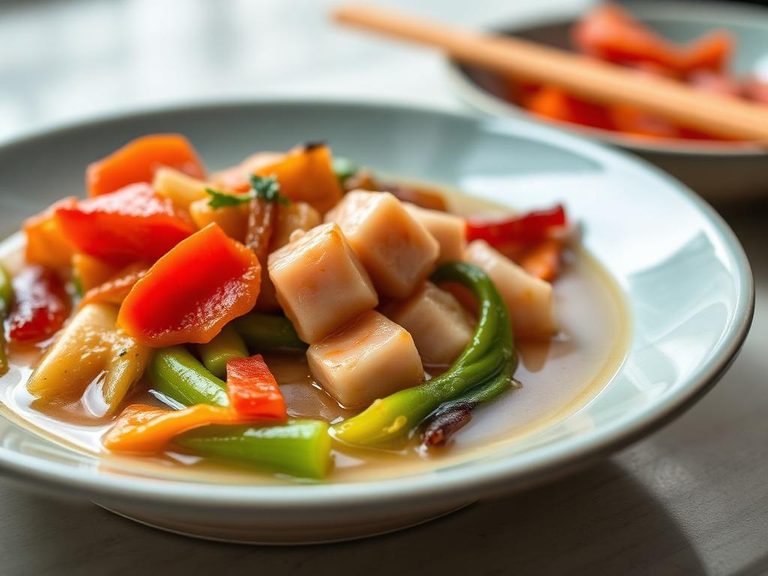
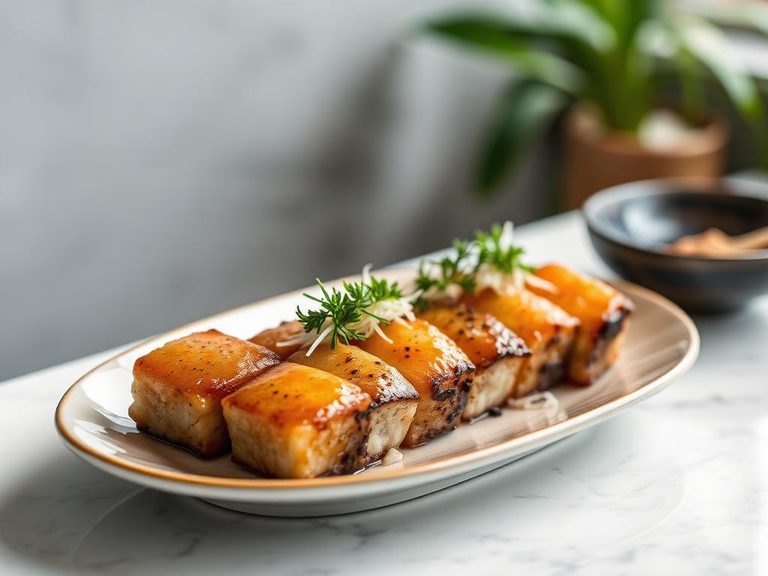
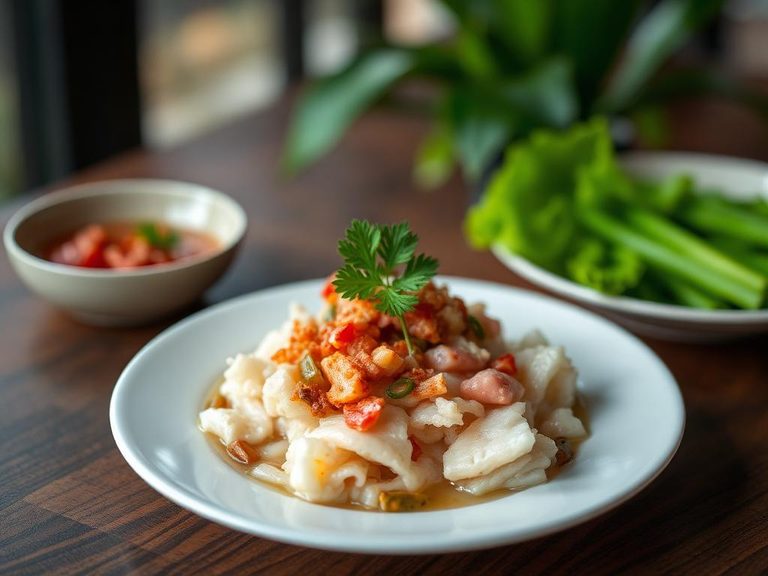
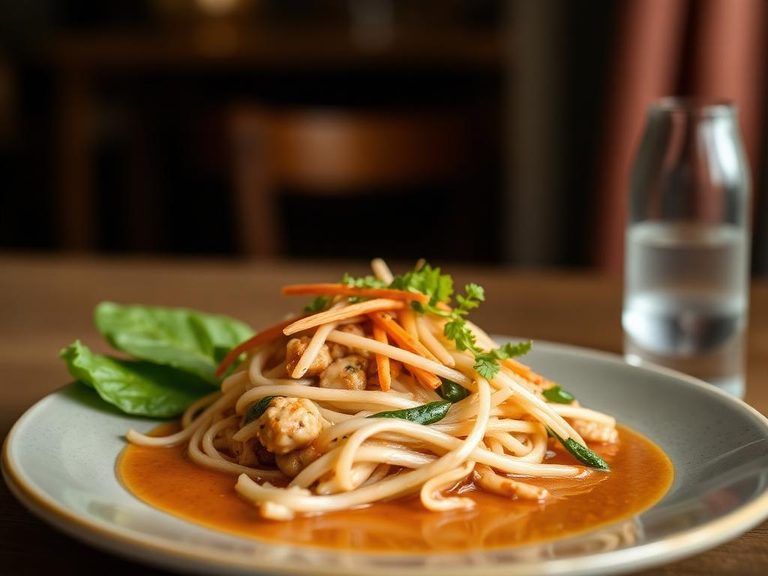
🍽️ Popular dishes
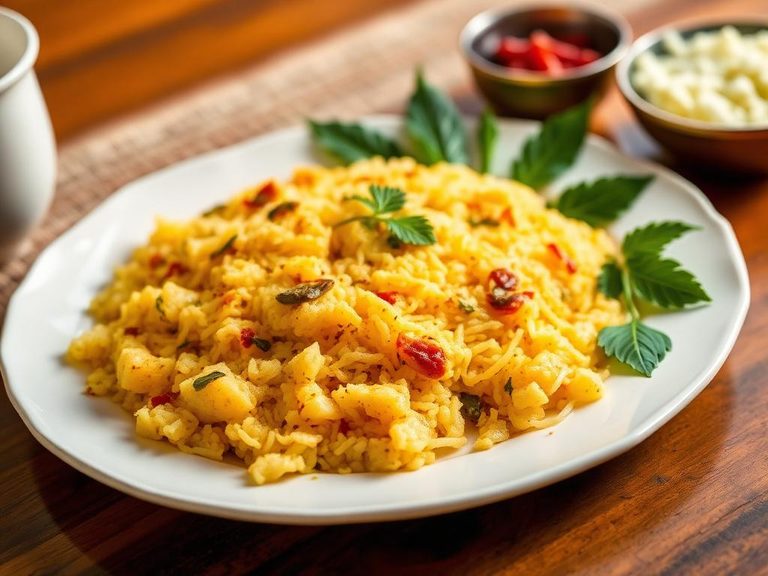
🌍 Where it's eaten
💡 Did you know?
The Chinese word for congee, 'zhōu' (粥), has been used for over 2,500 years, and ancient texts describe it as a food for both the living and a ritual offering to the dead.
Full nutrition (USDA data · scales with serving)
| Water | 86.6 g |
| Energy | 58.0 kcal |
| Protein | 4.3 g |
| Total lipid (fat) | 1.3 g |
| Carbohydrate, by difference | 7.0 g |
| Fiber, total dietary | 0.10 g |
| Total Sugars | 0.01 g |
| Calcium, Ca | 7.0 mg |
| Iron, Fe | 0.47 mg |
| Magnesium, Mg | 7.0 mg |
| Phosphorus, P | 48.0 mg |
| Potassium, K | 55.0 mg |
| Sodium, Na | 246 mg |
| Zinc, Zn | 0.53 mg |
| Copper, Cu | 0.03 mg |
| Selenium, Se | 6.0 ug |
| Vitamin C, total ascorbic acid | 0.00 mg |
| Thiamin | 0.05 mg |
| Riboflavin | 0.03 mg |
| Niacin | 1.2 mg |
| Vitamin B-6 | 0.09 mg |
| Folate, total | 16.0 ug |
| Folic acid | 14.0 ug |
| Folate, food | 2.0 ug |
| Folate, DFE | 25.0 ug |
| Choline, total | 13.5 mg |
| Vitamin B-12 | 0.24 ug |
| Vitamin B-12, added | 0.00 ug |
| Vitamin A, RAE | 1.0 ug |
| Retinol | 1.0 ug |
| Carotene, beta | 0.00 ug |
| Carotene, alpha | 0.00 ug |
| Cryptoxanthin, beta | 0.00 ug |
| Lycopene | 0.00 ug |
| Lutein + zeaxanthin | 0.00 ug |
| Vitamin E (alpha-tocopherol) | 0.06 mg |
| Vitamin E, added | 0.00 mg |
| Vitamin D (D2 + D3) | 0.00 ug |
| Vitamin K (phylloquinone) | 0.30 ug |
| Alcohol, ethyl | 0.00 g |
| Caffeine | 0.00 mg |
| Theobromine | 0.00 mg |
Fat & fatty acid profile (per 100g)
| Fatty acids, total saturated | 0.45 g |
| SFA 4:0 | 0.00 g |
| SFA 6:0 | 0.00 g |
| SFA 8:0 | 0.00 g |
| SFA 10:0 | 0.00 g |
| SFA 12:0 | 0.00 g |
| SFA 14:0 | 0.03 g |
| SFA 16:0 | 0.28 g |
| SFA 18:0 | 0.12 g |
| Fatty acids, total monounsaturated | 0.54 g |
| MUFA 16:1 | 0.05 g |
| MUFA 18:1 | 0.47 g |
| MUFA 20:1 | 0.00 g |
| MUFA 22:1 | 0.00 g |
| Fatty acids, total polyunsaturated | 0.13 g |
| PUFA 18:2 | 0.10 g |
| PUFA 18:3 | 0.01 g |
| PUFA 18:4 | 0.00 g |
| PUFA 20:4 | 0.01 g |
| PUFA 20:5 n-3 (EPA) | 0.00 g |
| PUFA 22:5 n-3 (DPA) | 0.00 g |
| PUFA 22:6 n-3 (DHA) | 0.01 g |
| Cholesterol | 14.0 mg |
FAQ
What's the difference between congee and regular oatmeal?
Congee is made from rice, while oatmeal is made from oats. Congee has a smoother, more gelatinous texture and a milder, less nutty flavor than oatmeal.
Can I make congee ahead of time?
Yes, congee thickens significantly as it cools. You can refrigerate it for 3-4 days and reheat it with a splash of water or broth to reach your desired consistency.
Is congee gluten-free?
Plain rice congee is naturally gluten-free. However, always check added ingredients like soy sauce or certain broths, which may contain gluten.
Nutrient density (calculated · NRF9.3)
Nutrient Rich Foods index: beneficial nutrients (protein, fiber, vitamins, minerals) minus saturated fat, added sugar & sodium, per 100 kcal.
NRF9.3 index — Fulgoni, Keast & Drewnowski, 2009. Computed from USDA nutrients.
Weight-loss friendliness (composite index)
Energy density 0.58 kcal/g · 30% calories from protein · 0.1 g fiber · 0.0 g sugar per 100 g.
Composite of energy density (Rolls et al., 1999), protein & fiber satiety, minus sugar. A calculated heuristic — ranks satiety-per-calorie, not a clinical measure.
Dietary load (calculated from USDA values)
Potential renal acid load. Positive = acid-forming, negative = alkaline-forming.
Sodium-to-potassium ratio: 4.47 (lower is better — aim for ≤ 1)
Sodium:potassium per WHO potassium guidance. Computed from USDA nutrients.