Prepared infant bottle feed
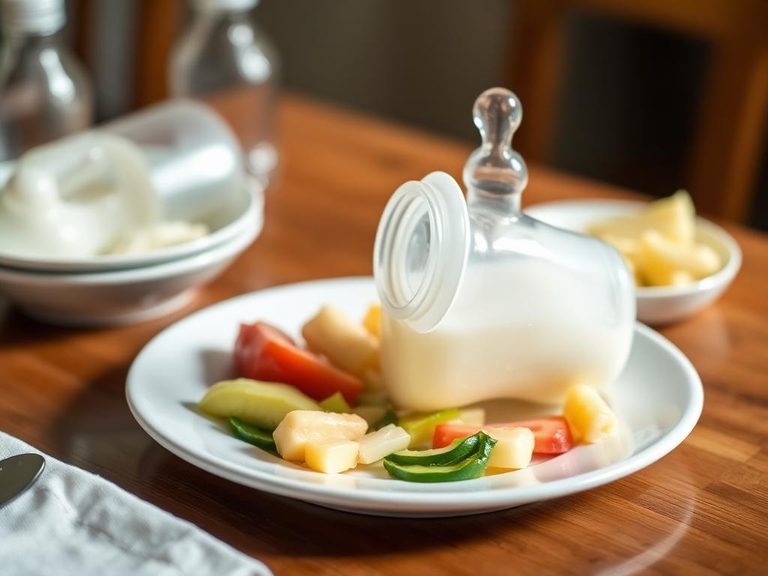
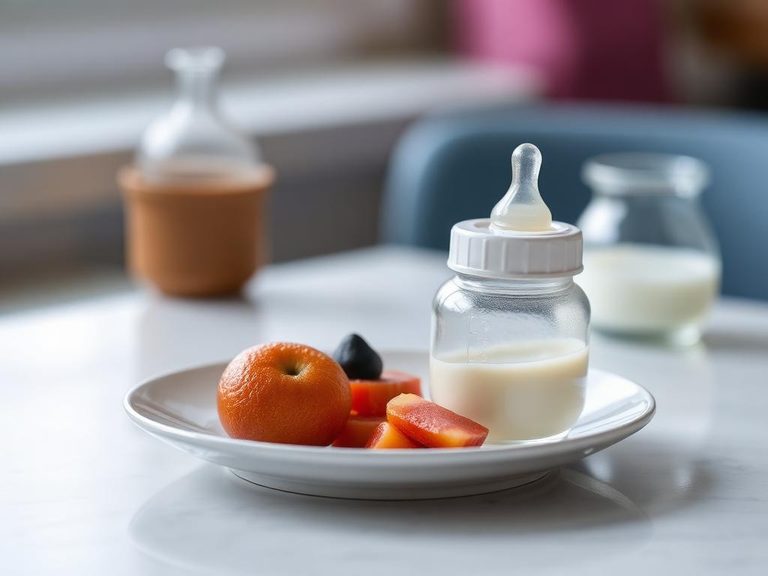
Prepared infant bottle feed is a nutritionally complete liquid food specifically formulated for babies, typically consisting of a base of water mixed with either powdered or liquid formula. Common ingredients include lactose or other carbohydrates, vegetable oils, and a blend of vitamins and minerals designed to mimic the profile of human breast milk. It is a globally ubiquitous product, with specialized formulas developed by manufacturers worldwide to meet infant nutritional needs.
🍽️ Nutrition at a glance
This feed is designed to be a balanced source of energy, providing a moderate amount of fat, carbohydrates, and protein crucial for early development. It is a significant source of key nutrients like calcium, iron, and vitamins A, D, and E, with a typical 240ml serving containing approximately 120-150 kcal.
Nutrition breakdown
| Calories | 130 kcal |
| Protein | 3.5 g |
| Carbs | 14 g |
| Fat | 7 g |
| Fiber | 0 g |
| Sugar | 14 g |
| Sodium | 60 mg |
| Calcium | 130 mg |
| Iron | 1.8 mg |
| Vitamin D | 1.0 mcg |
| Vitamin A | 80 mcg |
| Vitamin E | 1.5 mg |
| Potassium | 180 mg |
| Phosphorus | 70 mg |
| Vitamin C | 12 mg |
Per 1 prepared bottle (240 g) · estimated, varies by recipe
💡 What's interesting
What's unique is its precise engineering; formulas are strictly regulated to match the evolving nutritional composition of breast milk across different stages of infancy. Culturally, its use and perception vary globally, reflecting diverse attitudes towards breastfeeding, work-life balance, and medical advice.