Prepared infant formula feeding
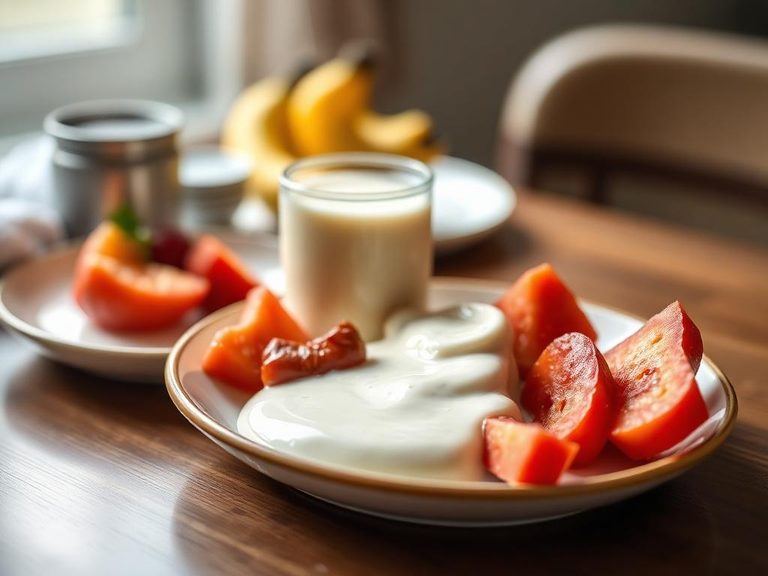
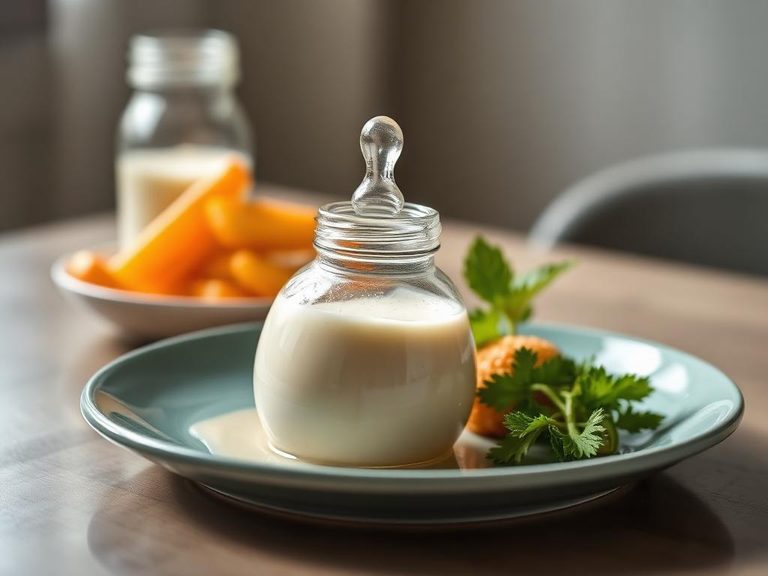
Prepared infant formula feeding refers to the ready-to-feed liquid or reconstituted powdered formula designed as a breast milk substitute for infants. It is typically made from cow's milk or soy, with added vitamins, minerals, and nutrients to mimic breast milk composition. This product is a staple in infant nutrition worldwide, originating from modern food science and manufacturing.
🍽️ Nutrition at a glance
It is balanced in macronutrients, providing a moderate amount of fat, protein, and carbohydrates to support infant growth. Key nutrients include iron, calcium, and vitamins A and D, with a typical calorie range of 100-120 kcal per 100 ml serving.
Nutrition breakdown
| Calories | 130 kcal |
| Protein | 2.5 g |
| Carbs | 14 g |
| Fat | 6.8 g |
| Fiber | 0 g |
| Sugar | 14 g |
| Sodium | 55 mg |
| Calcium | 80 mg |
| Iron | 1.8 mg |
| Vitamin A | 80 µg |
| Vitamin D | 1.2 µg |
| Vitamin E | 1.5 mg |
| Potassium | 120 mg |
| Phosphorus | 50 mg |
| Zinc | 0.8 mg |
Per 1 bottle (120 ml) · estimated, varies by recipe
💡 What's interesting
Infant formula is a carefully engineered food, often called 'white technology' for its precise nutrient balance. It's culturally significant as it enables feeding flexibility and has evolved over decades to better match breast milk's complexity.