Infant Formula Bottle
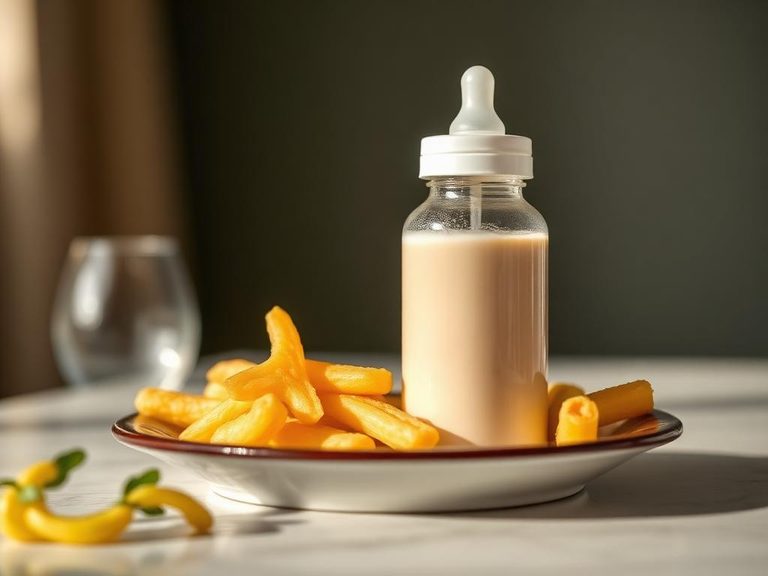
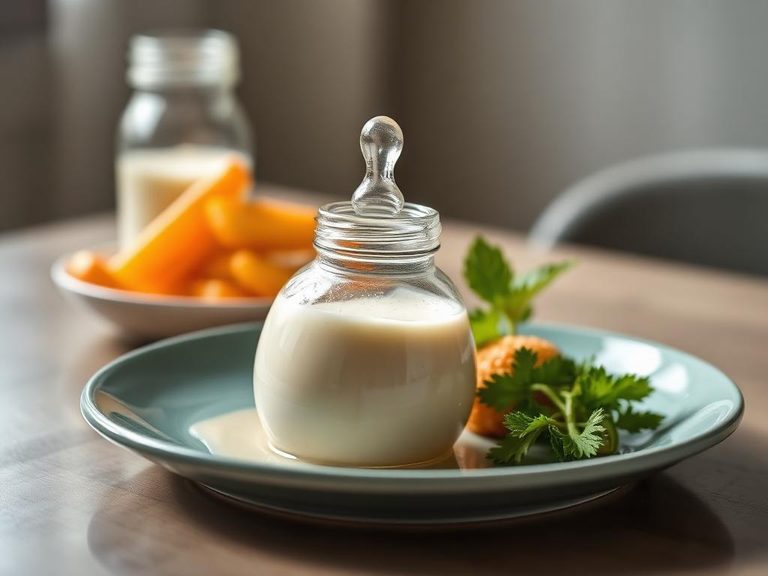
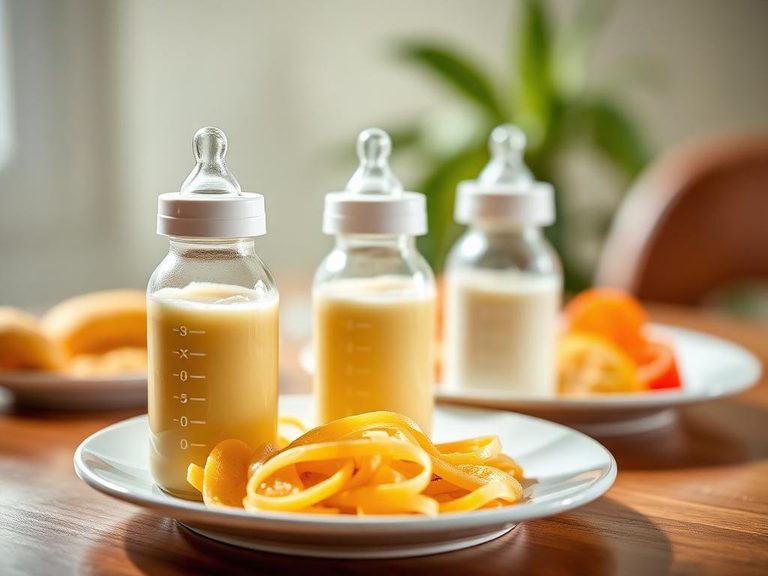
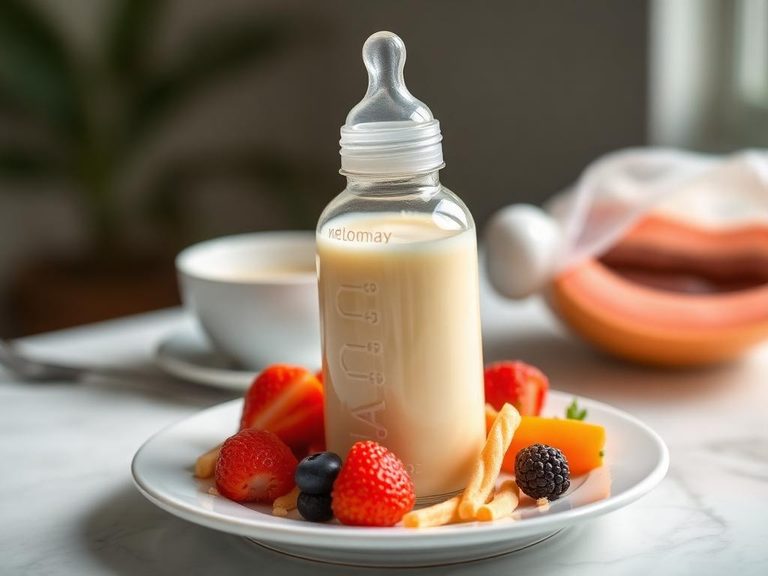
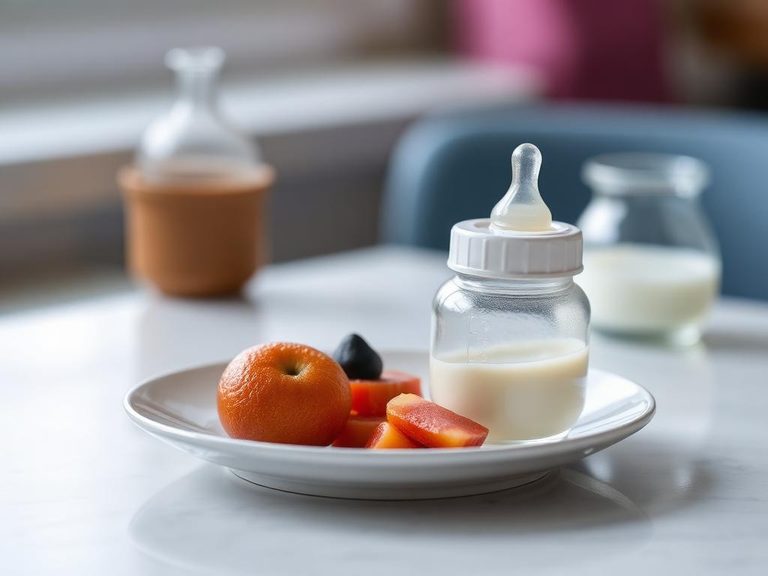
The 'Infant Formula Bottle' is not a culinary dish but a common feeding method for infants, consisting of a bottle filled with prepared infant formula. It typically contains a precise blend of water and powdered or liquid formula, which is a manufactured substitute for breast milk. This method originated in the 19th century with the development of commercial infant formulas and has since become a standard practice worldwide for supplemental or primary infant feeding.
🍽️ Nutrition at a glance
Infant formula is nutritionally designed to mimic breast milk, providing a balanced mix of carbohydrates (lactose), fats, and proteins essential for growth. A standard 8-ounce (240ml) serving typically offers around 120-150 calories, along with key nutrients like DHA, ARA, vitamins, and minerals to support brain and immune development.
Nutrition breakdown
| Calories | 130 kcal |
| Protein | 3.4 g |
| Carbs | 14 g |
| Fat | 6.8 g |
| Fiber | 0 g |
| Sugar | 14 g |
| Sodium | 60 mg |
| Calcium | 130 mg |
| Iron | 1.8 mg |
| Vitamin D | 1.0 mcg |
| Vitamin A | 80 mcg |
| Vitamin C | 12 mg |
| Potassium | 180 mg |
| Phosphorus | 70 mg |
| Zinc | 0.8 mg |
Per 1 bottle (240 ml) · estimated, varies by recipe
💡 What's interesting
Culturally, the widespread use of formula bottles represents a significant shift in infant care practices, enabling shared feeding responsibilities among caregivers. Nutritionally, formula is a highly regulated product, engineered to be a complete nutritional source for infants who are not breastfed, highlighting modern food science's role in early human development.