Pediatric dietary management

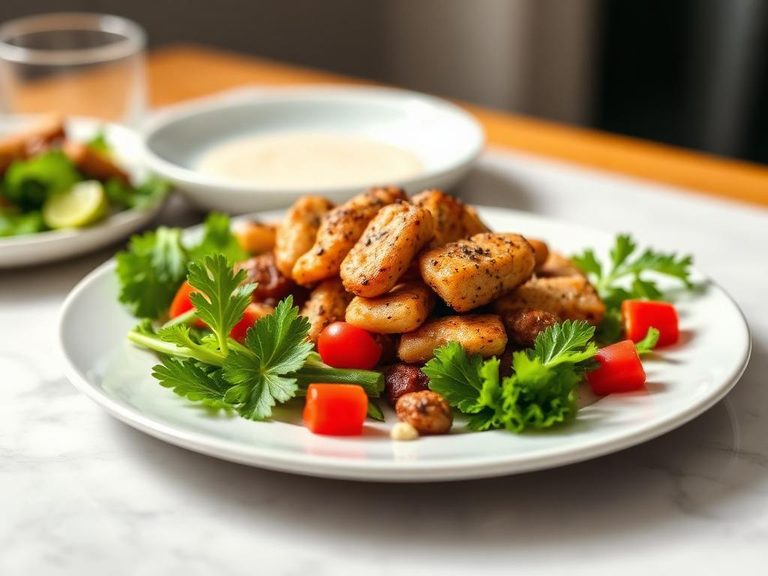
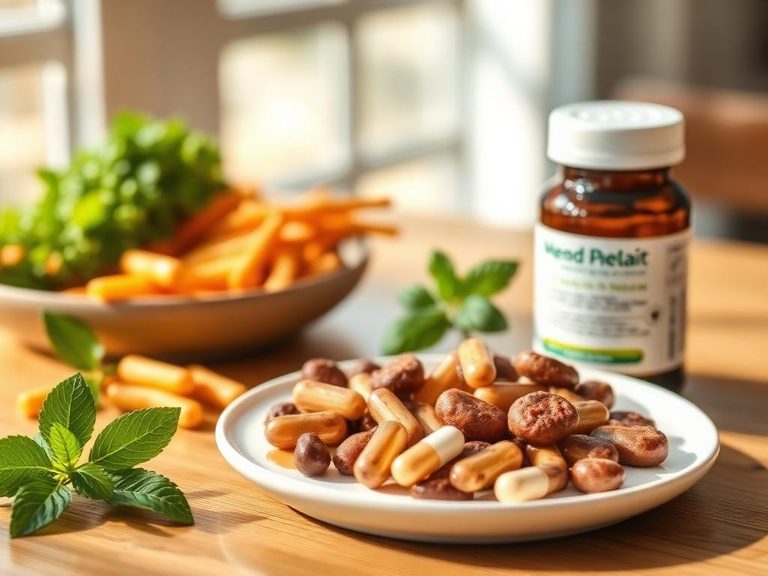
Pediatric dietary management is not a single dish, but a specialized approach to nutrition designed for infants, children, and adolescents with specific medical conditions, allergies, or developmental needs. It involves the careful selection and preparation of foods, formulas, or modified textures to ensure safe and adequate growth. Common components include fortified formulas, pureed foods, or nutrient-dense meals tailored to individual requirements.
🍽️ Nutrition at a glance
These diets are typically high in protein and essential fats to support rapid growth and development, with carefully controlled carbohydrate sources. They are formulated to be calorie-dense and rich in key micronutrients like iron, calcium, and vitamins A and D, often providing 300-600 kcal per serving depending on the child's age and condition.
Nutrition breakdown
| Calories | 450 kcal |
| Protein | 25 g |
| Carbs | 40 g |
| Fat | 20 g |
| Fiber | 5 g |
| Sugar | 8 g |
| Sodium | 300 mg |
| Calcium | 400 mg |
| Iron | 6 mg |
| Vitamin A | 300 µg |
| Vitamin D | 10 µg |
| Zinc | 4 mg |
| Vitamin B12 | 1.5 µg |
| Folate | 200 µg |
| Potassium | 500 mg |
Per 1 meal serving (300 g) · estimated, varies by recipe
💡 What's interesting
What makes this approach unique is its highly individualized nature, often requiring collaboration between dietitians, doctors, and families to manage conditions like phenylketonuria (PKU) or severe food allergies. Nutritionally, it prioritizes bioavailability and digestive tolerance over conventional food variety, sometimes using medical-grade ingredients not found in typical diets.