

Currants, zante, dried
Whole food · Fruits and Fruit Juices

Photo: Wikipedia
Zante currants are tiny, sun-dried grapes (Corinthian raisins) with a deep, tangy-sweet flavor and a chewy, seed-like texture. They are a concentrated source of natural energy, packing nearly 77g of carbohydrates per 100g. Their intense sweetness and small size make them a potent flavor and texture addition to a wide range of dishes.
Calorie split: 4% protein · 95% carbs · 1% fat
↓ Full nutrition💚 Why it's loved
People love them for their intense, honey-like sweetness and satisfying chew, which can elevate both a simple cookie and a complex pilaf. Their small size means they distribute flavor and texture evenly throughout a dish without overwhelming it.
⚠️ Watch-outs & how to enjoy it better
Their very high sugar content (over 62g per 100g) can cause rapid blood-sugar spikes, making portion control crucial for those managing diabetes or insulin resistance. To counteract this, pair them with protein (like nuts or yogurt) or healthy fats (like cheese) to slow sugar absorption, and stick to a small handful (about 15-20g) per serving.
Key benefits
- Excellent source of quick energy from natural sugars.
- Provides dietary fiber to support digestive health.
- Contains antioxidants like phenolic compounds.
- Offers minerals such as potassium and iron.
- Versatile ingredient for sweet and savory cooking.
🍽️ Popular dishes


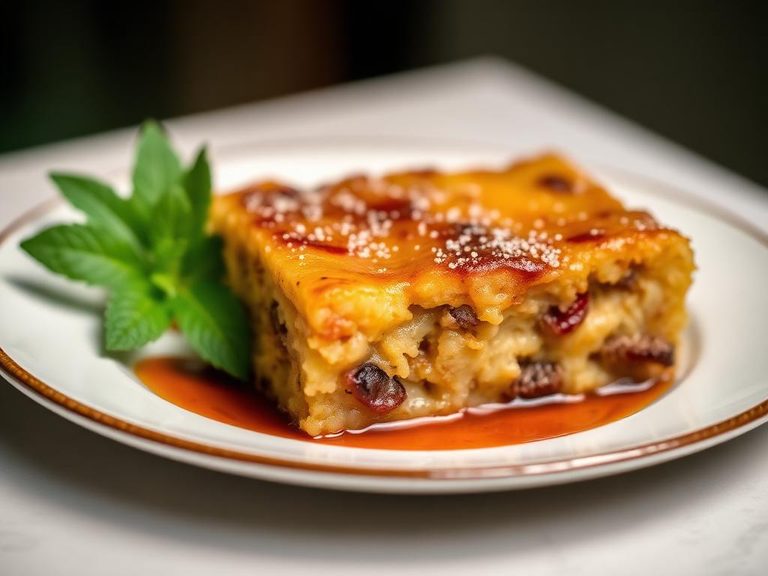
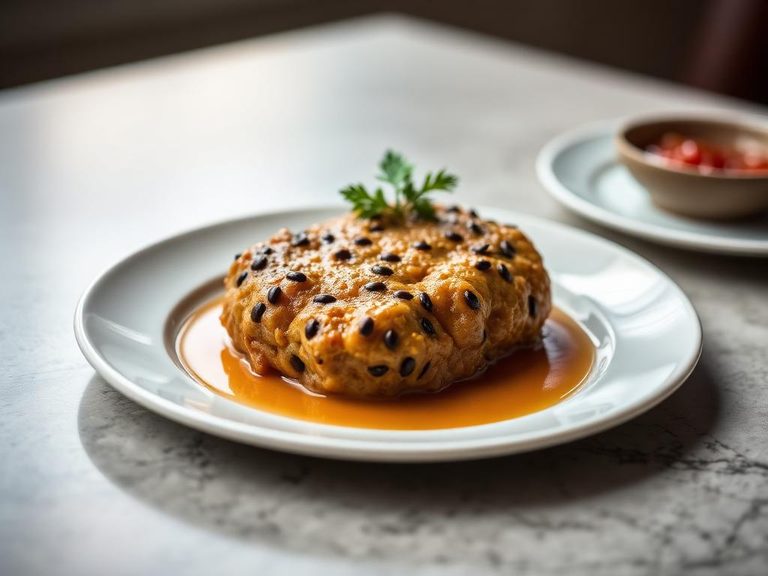
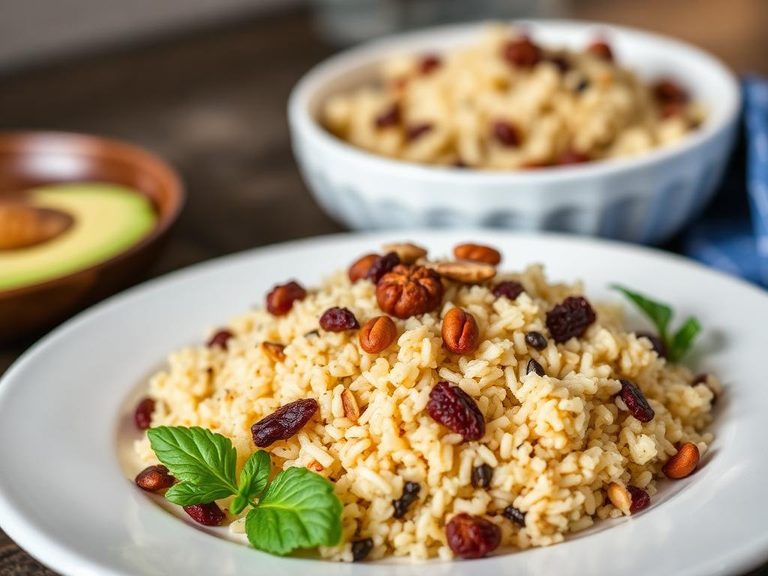
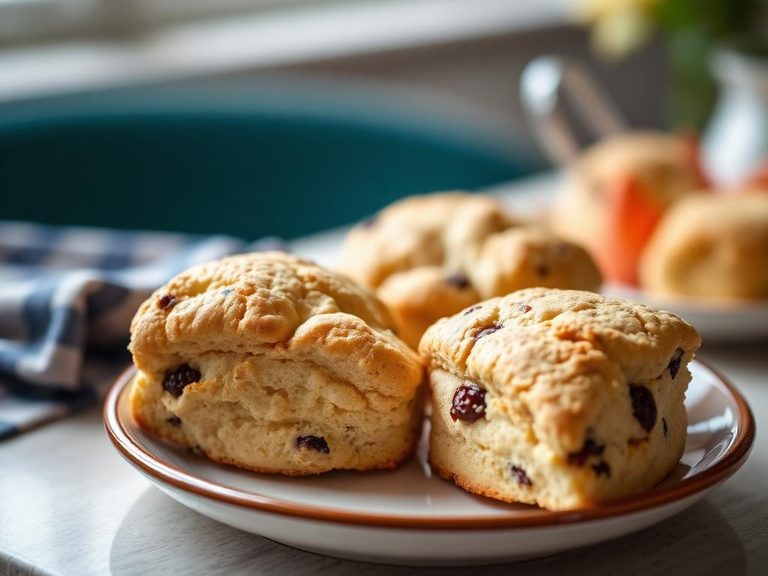
🌍 Where it's eaten
💡 Did you know?
Despite their name, Zante currants are not related to the fresh currant bush; they are a specific cultivar of grape (Black Corinth) grown and dried primarily in the Peloponnese peninsula of Greece.
Full nutrition (USDA data · scales with serving)
| Water | 17.6 g |
| Energy | 290 kcal |
| Energy | 1215 kj |
| Protein | 3.4 g |
| Total lipid (fat) | 0.22 g |
| Ash | 1.8 g |
| Carbohydrate, by difference | 77.0 g |
| Fiber, total dietary | 4.4 g |
| Total Sugars | 62.3 g |
| Sucrose | 0.00 g |
| Glucose | 29.8 g |
| Fructose | 32.5 g |
| Lactose | 0.00 g |
| Maltose | 0.00 g |
| Calcium, Ca | 88.0 mg |
| Iron, Fe | 1.9 mg |
| Magnesium, Mg | 36.0 mg |
| Phosphorus, P | 99.0 mg |
| Potassium, K | 777 mg |
| Sodium, Na | 43.0 mg |
| Zinc, Zn | 0.37 mg |
| Copper, Cu | 0.30 mg |
| Manganese, Mn | 0.34 mg |
| Selenium, Se | 0.70 ug |
| Vitamin C, total ascorbic acid | 4.7 mg |
| Thiamin | 0.16 mg |
| Riboflavin | 0.14 mg |
| Niacin | 1.6 mg |
| Vitamin B-6 | 0.30 mg |
| Folate, total | 10.0 ug |
| Folic acid | 0.00 ug |
| Folate, food | 10.0 ug |
| Folate, DFE | 10.0 ug |
| Choline, total | 10.6 mg |
| Vitamin B-12 | 0.00 ug |
| Vitamin B-12, added | 0.00 ug |
| Vitamin A, RAE | 4.0 ug |
| Retinol | 0.00 ug |
| Carotene, beta | 43.0 ug |
| Carotene, alpha | 1.0 ug |
| Cryptoxanthin, beta | 1.0 ug |
| Vitamin A, IU | 73.0 iu |
| Lycopene | 0.00 ug |
| Lutein + zeaxanthin | 0.00 ug |
| Vitamin E (alpha-tocopherol) | 0.11 mg |
| Vitamin E, added | 0.00 mg |
| Vitamin D (D2 + D3), International Units | 0.00 iu |
| Vitamin D (D2 + D3) | 0.00 ug |
| Vitamin D3 (cholecalciferol) | 0.00 ug |
| Vitamin K (phylloquinone) | 3.3 ug |
| Alcohol, ethyl | 0.00 g |
| Caffeine | 0.00 mg |
| Theobromine | 0.00 mg |
Fat & fatty acid profile (per 100g)
| Fatty acids, total saturated | 0.09 g |
| SFA 4:0 | 0.01 g |
| SFA 6:0 | 0.00 g |
| SFA 8:0 | 0.00 g |
| SFA 10:0 | 0.00 g |
| SFA 12:0 | 0.00 g |
| SFA 14:0 | 0.00 g |
| SFA 15:0 | 0.00 g |
| SFA 16:0 | 0.05 g |
| SFA 17:0 | 0.00 g |
| SFA 18:0 | 0.01 g |
| SFA 20:0 | 0.00 g |
| SFA 22:0 | 0.00 g |
| SFA 24:0 | 0.00 g |
| Fatty acids, total monounsaturated | 0.02 g |
| MUFA 14:1 | 0.00 g |
| MUFA 15:1 | 0.00 g |
| MUFA 16:1 | 0.00 g |
| MUFA 16:1 c | 0.00 g |
| MUFA 17:1 | 0.00 g |
| MUFA 18:1 | 0.02 g |
| MUFA 18:1 c | 0.02 g |
| MUFA 20:1 | 0.00 g |
| MUFA 22:1 | 0.00 g |
| MUFA 22:1 c | 0.00 g |
| MUFA 24:1 c | 0.00 g |
| Fatty acids, total polyunsaturated | 0.05 g |
| PUFA 18:2 | 0.04 g |
| PUFA 18:2 n-6 c,c | 0.04 g |
| PUFA 18:2 CLAs | 0.00 g |
| PUFA 18:3 | 0.01 g |
| PUFA 18:3 n-3 c,c,c (ALA) | 0.01 g |
| PUFA 18:3 n-6 c,c,c | 0.00 g |
| PUFA 18:3i | 0.00 g |
| PUFA 18:4 | 0.00 g |
| PUFA 20:2 n-6 c,c | 0.00 g |
| PUFA 20:3 | 0.00 g |
| PUFA 20:3 n-3 | 0.00 g |
| PUFA 20:3 n-6 | 0.00 g |
| PUFA 20:4 | 0.00 g |
| PUFA 20:5 n-3 (EPA) | 0.00 g |
| PUFA 22:4 | 0.00 g |
| PUFA 22:5 n-3 (DPA) | 0.00 g |
| PUFA 22:6 n-3 (DHA) | 0.00 g |
| Fatty acids, total trans | 0.00 g |
| Fatty acids, total trans-monoenoic | 0.00 g |
| TFA 16:1 t | 0.00 g |
| TFA 18:1 t | 0.00 g |
| TFA 22:1 t | 0.00 g |
| TFA 18:2 t not further defined | 0.00 g |
| Fatty acids, total trans-polyenoic | 0.00 g |
| Cholesterol | 0.00 mg |
FAQ
What's the difference between Zante currants and regular raisins?
Zante currants are made from a specific, very small seedless grape variety (Black Corinth), while 'raisins' typically refer to dried Thompson Seedless grapes. Zante currants are smaller, darker, and have a more intense, tart-sweet flavor.
Are they a good source of iron?
They contain a moderate amount of iron (about 1.5mg per 100g), which is notable for a dried fruit. However, pairing them with a source of vitamin C (like citrus zest in a recipe) can enhance iron absorption.
How should I store them?
Store in an airtight container in a cool, dark place like a pantry for up to 6 months. For longer storage, refrigerate them for up to a year to prevent them from hardening or attracting pests.
Nutrient density (calculated · NRF9.3)
Nutrient Rich Foods index: beneficial nutrients (protein, fiber, vitamins, minerals) minus saturated fat, added sugar & sodium, per 100 kcal.
NRF9.3 index — Fulgoni, Keast & Drewnowski, 2009. Computed from USDA nutrients.
Weight-loss friendliness (composite index)
Energy density 2.90 kcal/g · 5% calories from protein · 4.4 g fiber · 62.3 g sugar per 100 g.
Composite of energy density (Rolls et al., 1999), protein & fiber satiety, minus sugar. A calculated heuristic — ranks satiety-per-calorie, not a clinical measure.
Dietary load (calculated from USDA values)
Potential renal acid load. Positive = acid-forming, negative = alkaline-forming.
Sodium-to-potassium ratio: 0.06 (lower is better — aim for ≤ 1)
Sodium:potassium per WHO potassium guidance. Computed from USDA nutrients.