

Celery, cooked, boiled, drained, without salt
Whole food · Vegetables and Vegetable Products

Photo: Wikipedia
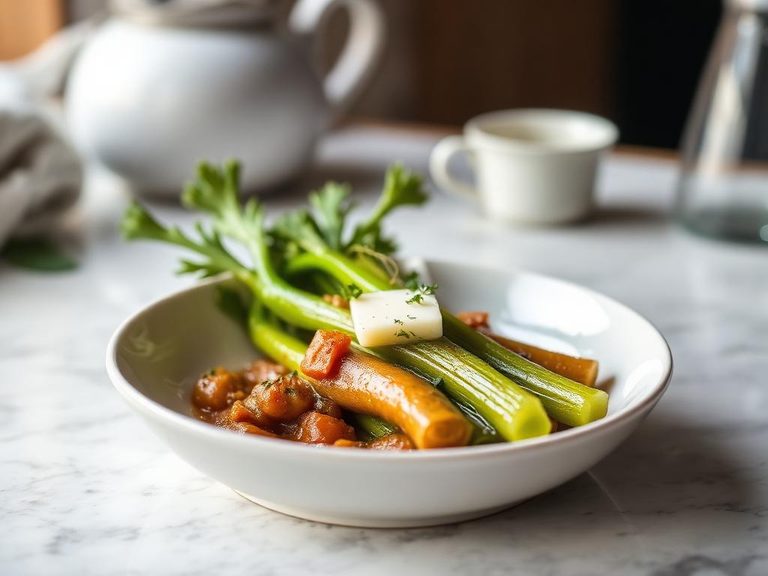
Boiled celery transforms into a tender, translucent vegetable with a mellow, savory-sweet flavor that loses its raw crunch but gains a silky, almost melt-in-your-mouth texture. At just 18 calories per 100g, it's a remarkably light addition to soups, stews, and side dishes, delivering subtle sweetness from its natural sugars without any added salt. The cooking process softens its fibrous structure, making it easier to digest while preserving its distinctive herbal, slightly anise-like undertones.
Calorie split: 16% protein · 77% carbs · 7% fat
↓ Full nutrition💚 Why it's loved
People love boiled celery for its ability to meld seamlessly into dishes, adding depth and a gentle, earthy sweetness that complements rich flavors like meat, cheese, and butter. It's a staple in home cooking for its convenience and ability to enhance the overall flavor profile of a meal without overpowering it.
⚠️ Watch-outs & how to enjoy it better
Some find boiled celery overly soft or bland compared to its crisp raw form, and it can become mushy if overcooked. For those monitoring blood sugar, the natural sugars (2.37g per 100g) may cause minor spikes if consumed in large quantities, though the fiber content helps mitigate this. To counteract texture issues, cook it just until tender-crisp, and pair it with protein or healthy fats like olive oil to balance blood sugar response and enhance satiety.
Key benefits
- Extremely low calorie density at 18 kcal per 100g
- Good source of dietary fiber (1.6g per 100g) for digestive health
- Contains natural sugars (2.37g) for subtle sweetness without added sugars
- Low in fat (0.16g per 100g) and provides modest protein (0.83g)
- Versatile base ingredient for soups, stocks, and braised dishes
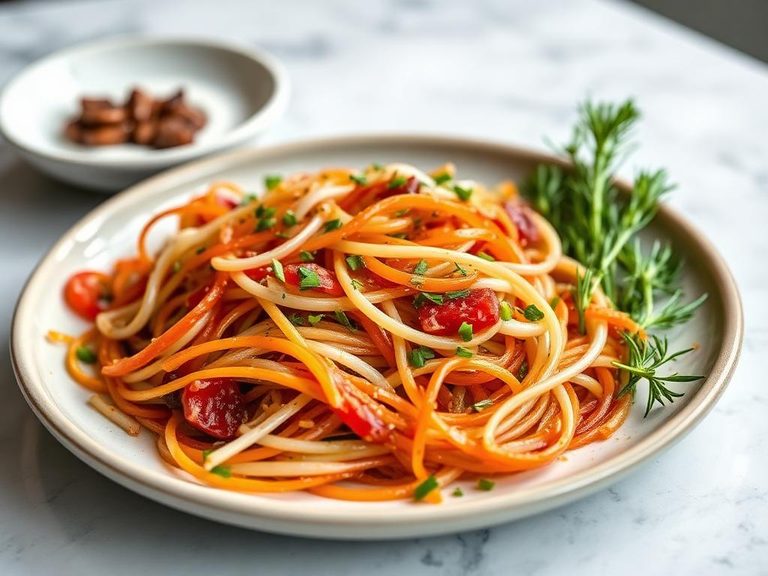
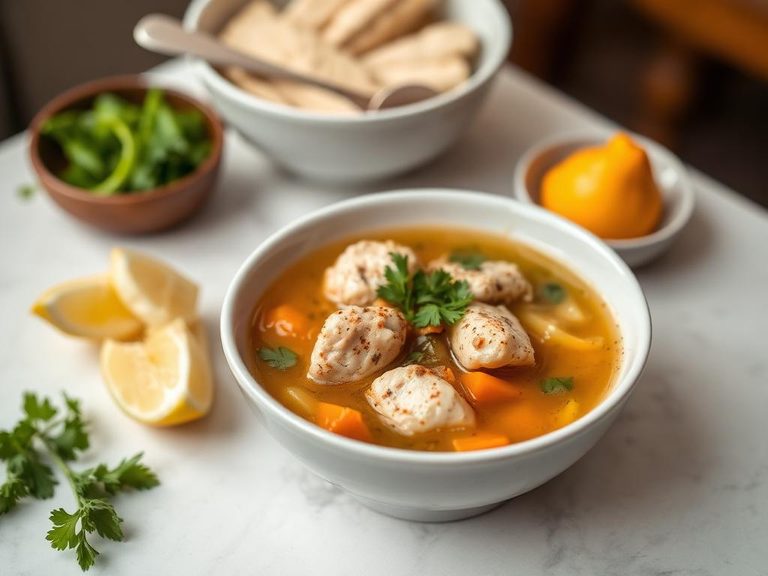
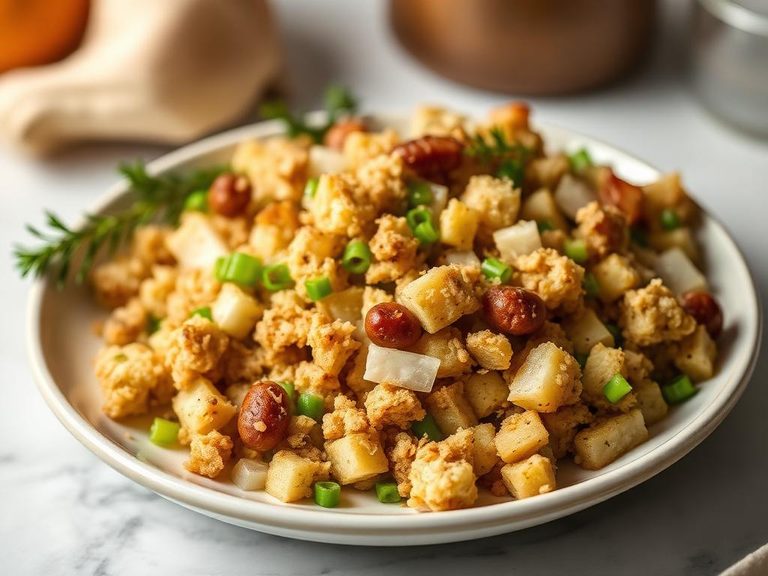
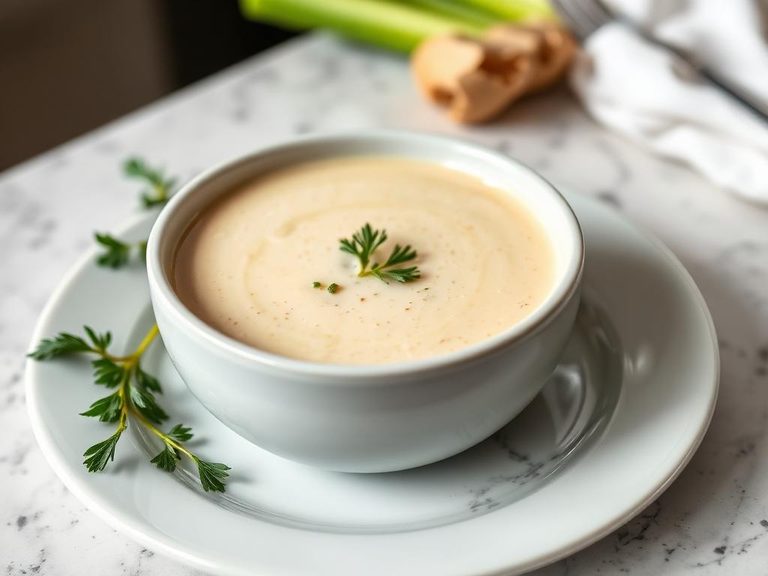
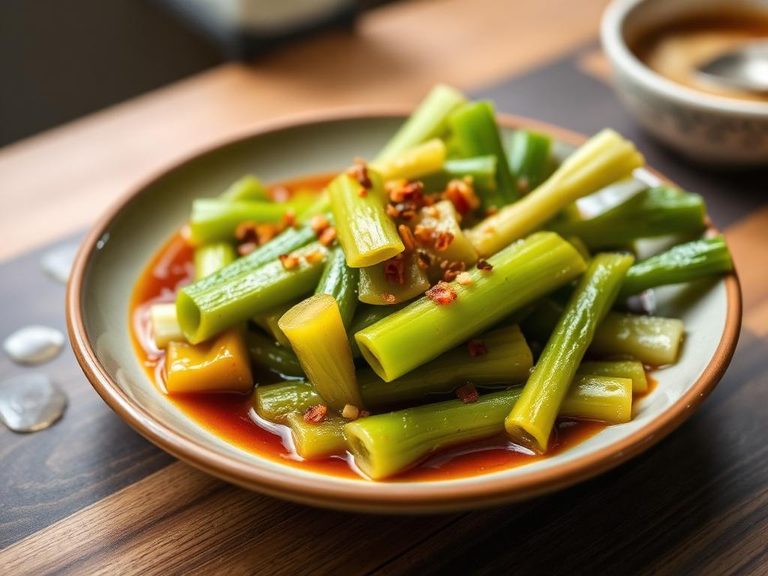
🍽️ Popular dishes
🌍 Where it's eaten
💡 Did you know?
Celery was originally cultivated as a medicinal plant in ancient Greece and Rome, where it was used to treat hypertension and as a diuretic, not as a food vegetable until much later.
Full nutrition (USDA data · scales with serving)
| Water | 94.1 g |
| Energy | 18.0 kcal |
| Energy | 74.0 kj |
| Protein | 0.83 g |
| Total lipid (fat) | 0.16 g |
| Ash | 0.90 g |
| Carbohydrate, by difference | 4.0 g |
| Fiber, total dietary | 1.6 g |
| Total Sugars | 2.4 g |
| Sucrose | 0.14 g |
| Glucose | 0.71 g |
| Fructose | 0.66 g |
| Lactose | 0.00 g |
| Maltose | 0.00 g |
| Galactose | 0.85 g |
| Calcium, Ca | 42.0 mg |
| Iron, Fe | 0.42 mg |
| Magnesium, Mg | 12.0 mg |
| Phosphorus, P | 25.0 mg |
| Potassium, K | 284 mg |
| Sodium, Na | 91.0 mg |
| Zinc, Zn | 0.14 mg |
| Copper, Cu | 0.04 mg |
| Manganese, Mn | 0.11 mg |
| Selenium, Se | 1.0 ug |
| Vitamin C, total ascorbic acid | 6.1 mg |
| Thiamin | 0.02 mg |
| Riboflavin | 0.07 mg |
| Niacin | 0.37 mg |
| Pantothenic acid | 0.32 mg |
| Vitamin B-6 | 0.09 mg |
| Folate, total | 33.0 ug |
| Folic acid | 0.00 ug |
| Folate, food | 33.0 ug |
| Folate, DFE | 33.0 ug |
| Choline, total | 7.9 mg |
| Vitamin B-12 | 0.00 ug |
| Vitamin B-12, added | 0.00 ug |
| Vitamin A, RAE | 26.0 ug |
| Retinol | 0.00 ug |
| Carotene, beta | 313 ug |
| Carotene, alpha | 0.00 ug |
| Cryptoxanthin, beta | 0.00 ug |
| Vitamin A, IU | 521 iu |
| Lycopene | 0.00 ug |
| Lutein + zeaxanthin | 329 ug |
| Vitamin E (alpha-tocopherol) | 0.35 mg |
| Vitamin E, added | 0.00 mg |
| Tocopherol, beta | 0.00 mg |
| Tocopherol, gamma | 0.00 mg |
| Tocopherol, delta | 0.00 mg |
| Vitamin D (D2 + D3), International Units | 0.00 iu |
| Vitamin D (D2 + D3) | 0.00 ug |
| Vitamin K (phylloquinone) | 37.8 ug |
| Alcohol, ethyl | 0.00 g |
| Caffeine | 0.00 mg |
| Theobromine | 0.00 mg |
Fat & fatty acid profile (per 100g)
| Fatty acids, total saturated | 0.04 g |
| SFA 4:0 | 0.00 g |
| SFA 6:0 | 0.00 g |
| SFA 8:0 | 0.00 g |
| SFA 10:0 | 0.00 g |
| SFA 12:0 | 0.00 g |
| SFA 14:0 | 0.00 g |
| SFA 16:0 | 0.04 g |
| SFA 18:0 | 0.00 g |
| Fatty acids, total monounsaturated | 0.03 g |
| MUFA 16:1 | 0.00 g |
| MUFA 18:1 | 0.03 g |
| MUFA 20:1 | 0.00 g |
| MUFA 22:1 | 0.00 g |
| Fatty acids, total polyunsaturated | 0.07 g |
| PUFA 18:2 | 0.07 g |
| PUFA 18:3 | 0.00 g |
| PUFA 18:4 | 0.00 g |
| PUFA 20:4 | 0.00 g |
| PUFA 20:5 n-3 (EPA) | 0.00 g |
| PUFA 22:5 n-3 (DPA) | 0.00 g |
| PUFA 22:6 n-3 (DHA) | 0.00 g |
| Fatty acids, total trans | 0.00 g |
| Cholesterol | 0.00 mg |
| Phytosterols | 7.0 mg |
Amino acid profile (per 100g)
| Tryptophan | 0.01 g |
| Threonine | 0.02 g |
| Isoleucine | 0.03 g |
| Leucine | 0.04 g |
| Lysine | 0.03 g |
| Methionine | 0.01 g |
| Cystine | 0.01 g |
| Phenylalanine | 0.02 g |
| Tyrosine | 0.01 g |
| Valine | 0.03 g |
| Arginine | 0.02 g |
| Histidine | 0.01 g |
| Alanine | 0.03 g |
| Aspartic acid | 0.14 g |
| Glutamic acid | 0.11 g |
| Glycine | 0.03 g |
| Proline | 0.02 g |
| Serine | 0.02 g |
FAQ
How does boiling affect celery's nutritional content?
Boiling can reduce some water-soluble vitamins like vitamin C, but it preserves most minerals and fiber. The cooking process also makes certain nutrients more bioavailable and softens the fiber for easier digestion.
Is boiled celery suitable for people with high blood pressure?
Yes, boiled celery without added salt is low in sodium and contains compounds like phthalides that may help support healthy blood pressure levels. However, it's best to consume it as part of a balanced diet.
Can I freeze boiled celery?
Yes, boiled celery can be frozen for up to 12 months. Cool it completely, drain excess water, and store in airtight containers or freezer bags. It may become softer upon thawing, so it's best used in cooked dishes rather than eaten alone.
How long should I boil celery to keep it tender-crisp?
For tender-crisp texture, boil celery slices for 3-5 minutes. For softer texture suitable for soups or purees, cook for 8-10 minutes. Always test with a fork for desired tenderness.
Nutrient density (calculated · NRF9.3)
Nutrient Rich Foods index: beneficial nutrients (protein, fiber, vitamins, minerals) minus saturated fat, added sugar & sodium, per 100 kcal.
NRF9.3 index — Fulgoni, Keast & Drewnowski, 2009. Computed from USDA nutrients.
Weight-loss friendliness (composite index)
Energy density 0.18 kcal/g · 18% calories from protein · 1.6 g fiber · 2.4 g sugar per 100 g.
Composite of energy density (Rolls et al., 1999), protein & fiber satiety, minus sugar. A calculated heuristic — ranks satiety-per-calorie, not a clinical measure.
Dietary load (calculated from USDA values)
Potential renal acid load. Positive = acid-forming, negative = alkaline-forming.
Sodium-to-potassium ratio: 0.32 (lower is better — aim for ≤ 1)
Sodium:potassium per WHO potassium guidance. Computed from USDA nutrients.