

Beef, ground, 75% lean meat / 25% fat, patty, cooked, pan-broiled
Whole food · Beef Products
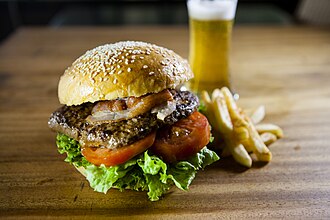
Photo: Wikipedia
This is a classic, juicy beef patty cooked in its own rendered fat, delivering a deeply savory, caramelized crust with a tender, slightly coarse interior. Nutritionally, it's a powerhouse of complete protein and energy-dense fats, providing zero carbohydrates. The pan-broiling method concentrates the beefy flavor, making it the foundational element of countless comfort foods.
Calorie split: 39% protein · 0% carbs · 61% fat
↓ Full nutrition💚 Why it's loved
People adore it for the unparalleled, savory 'umami' punch and satisfying mouthfeel that only seared beef can deliver. It's the ultimate culinary chameleon, forming the heart of everything from a simple weeknight burger to elaborate international dishes.
⚠️ Watch-outs & how to enjoy it better
The 25% fat content means higher calories and saturated fat per serving, which those managing heart health or calorie intake should monitor. To balance this, pair it with fiber-rich vegetables (like a large salad or roasted broccoli) to enhance fullness and nutrient profile, and consider draining excess fat after cooking. Opting for a leaner grind occasionally is another practical strategy.
Key benefits
- Excellent source of high-quality, complete protein for muscle maintenance.
- Provides essential micronutrients like iron (heme), zinc, and vitamin B12.
- High satiety factor due to protein and fat content, aiding appetite control.
- Zero carbohydrates, making it suitable for ketogenic and low-carb diets.
- Versatile base for countless global cuisines and flavor profiles.
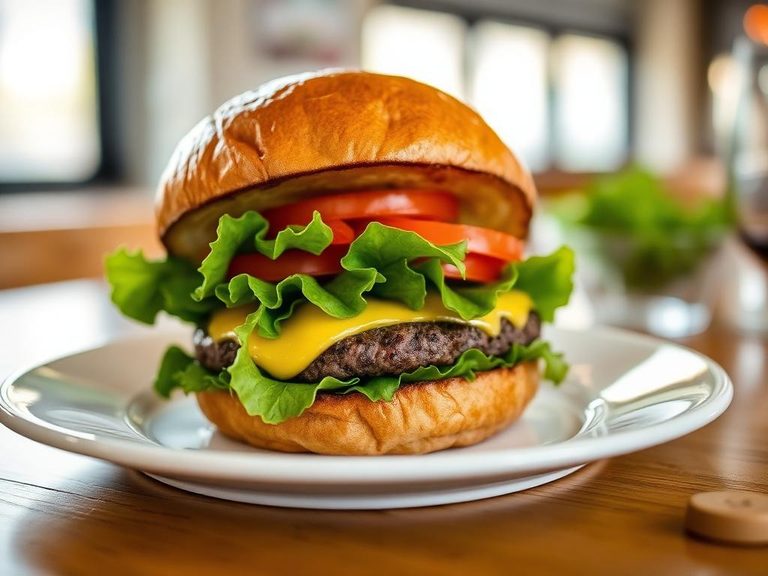
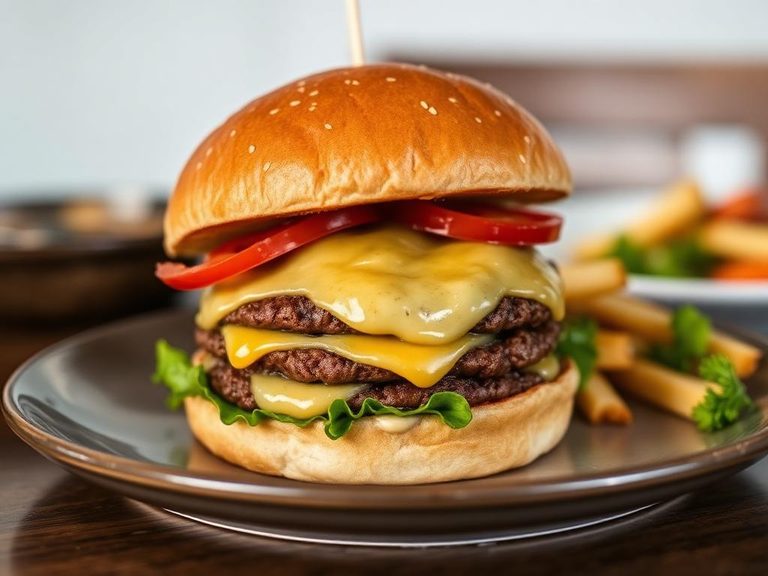
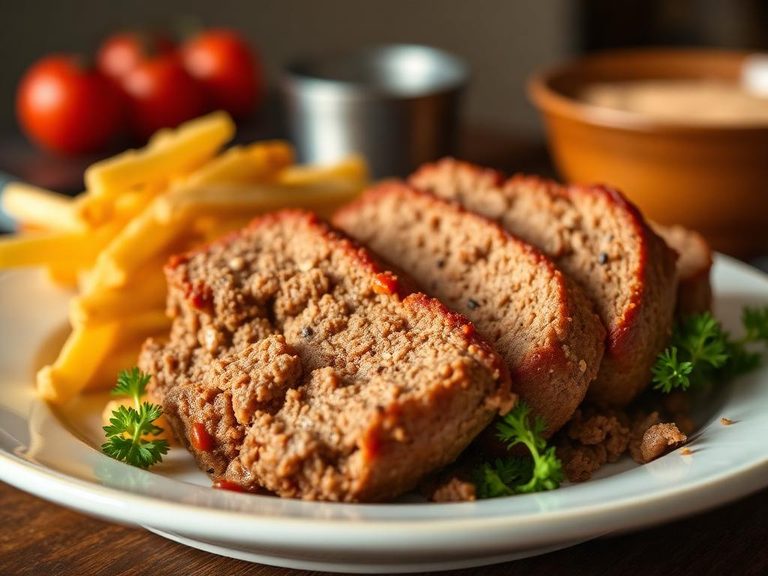
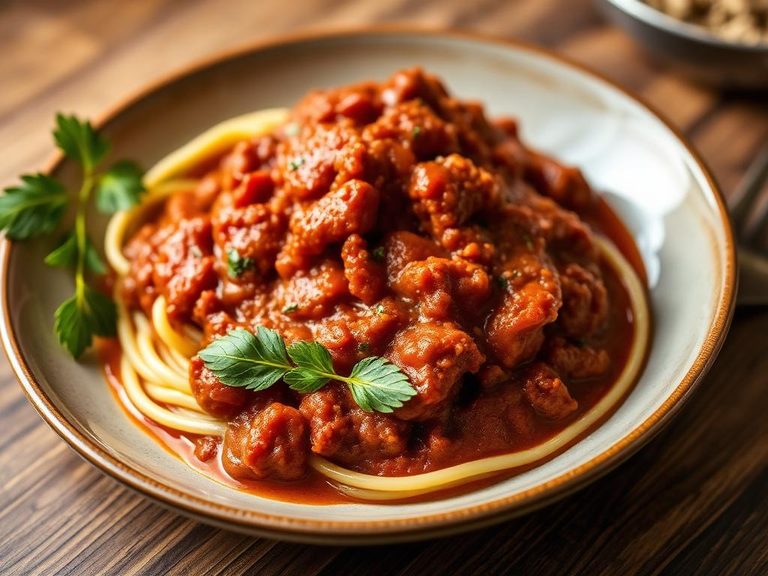
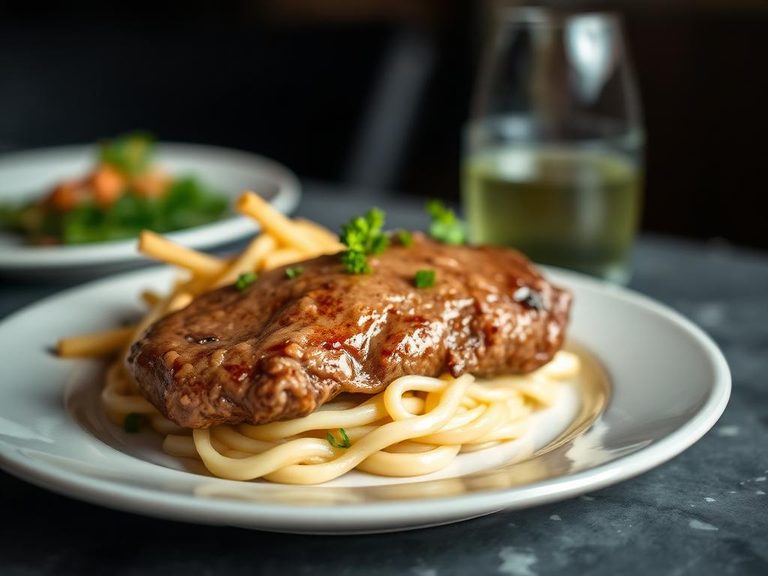
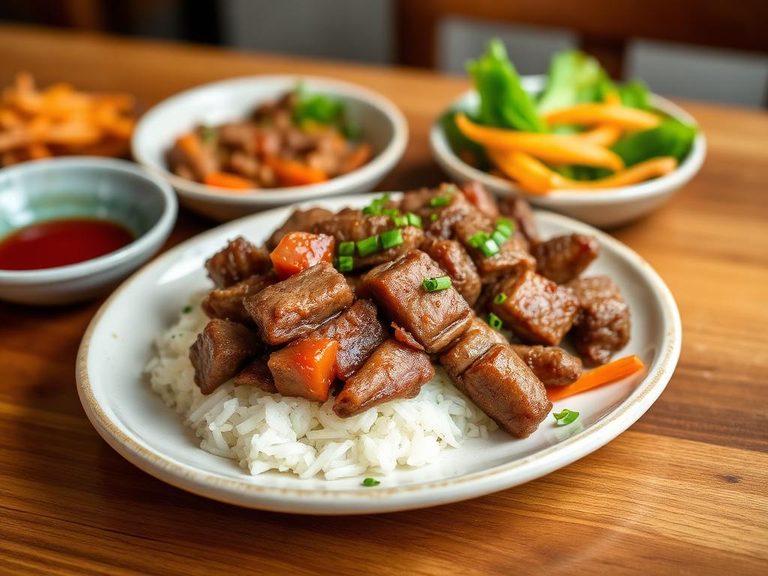
🍽️ Popular dishes
🌍 Where it's eaten
💡 Did you know?
The term 'hamburger' likely derives from Hamburg, Germany, a city famous for its beef products in the 19th century, not from the ham in the meat.
Full nutrition (USDA data · scales with serving)
| Water | 58.7 g |
| Energy | 248 kcal |
| Energy | 1040 kj |
| Protein | 23.4 g |
| Total lipid (fat) | 16.4 g |
| Ash | 1.1 g |
| Carbohydrate, by difference | 0.00 g |
| Fiber, total dietary | 0.00 g |
| Total Sugars | 0.00 g |
| Calcium, Ca | 32.0 mg |
| Iron, Fe | 2.5 mg |
| Magnesium, Mg | 20.0 mg |
| Phosphorus, P | 199 mg |
| Potassium, K | 322 mg |
| Sodium, Na | 87.0 mg |
| Zinc, Zn | 6.0 mg |
| Copper, Cu | 0.07 mg |
| Manganese, Mn | 0.01 mg |
| Selenium, Se | 19.6 ug |
| Vitamin C, total ascorbic acid | 0.00 mg |
| Thiamin | 0.04 mg |
| Riboflavin | 0.18 mg |
| Niacin | 5.3 mg |
| Pantothenic acid | 0.60 mg |
| Vitamin B-6 | 0.34 mg |
| Folate, total | 10.0 ug |
| Folic acid | 0.00 ug |
| Folate, food | 10.0 ug |
| Folate, DFE | 10.0 ug |
| Choline, total | 72.8 mg |
| Betaine | 8.8 mg |
| Vitamin B-12 | 2.8 ug |
| Vitamin B-12, added | 0.00 ug |
| Vitamin A, RAE | 3.0 ug |
| Retinol | 3.0 ug |
| Carotene, beta | 0.00 ug |
| Carotene, alpha | 0.00 ug |
| Cryptoxanthin, beta | 0.00 ug |
| Vitamin A, IU | 10.0 iu |
| Lycopene | 0.00 ug |
| Lutein + zeaxanthin | 0.00 ug |
| Vitamin E (alpha-tocopherol) | 0.13 mg |
| Vitamin E, added | 0.00 mg |
| Vitamin D (D2 + D3), International Units | 2.0 iu |
| Vitamin D (D2 + D3) | 0.00 ug |
| Vitamin D3 (cholecalciferol) | 0.00 ug |
| Vitamin K (phylloquinone) | 2.0 ug |
| Vitamin K (Dihydrophylloquinone) | 0.00 ug |
| Alcohol, ethyl | 0.00 g |
| Caffeine | 0.00 mg |
| Theobromine | 0.00 mg |
Fat & fatty acid profile (per 100g)
| Fatty acids, total saturated | 6.3 g |
| SFA 4:0 | 0.00 g |
| SFA 6:0 | 0.00 g |
| SFA 8:0 | 0.00 g |
| SFA 10:0 | 0.00 g |
| SFA 12:0 | 0.01 g |
| SFA 14:0 | 0.47 g |
| SFA 15:0 | 0.08 g |
| SFA 16:0 | 3.5 g |
| SFA 17:0 | 0.18 g |
| SFA 18:0 | 1.9 g |
| SFA 20:0 | 0.01 g |
| Fatty acids, total monounsaturated | 7.5 g |
| MUFA 14:1 | 0.14 g |
| MUFA 16:1 | 0.58 g |
| MUFA 17:1 | 0.16 g |
| MUFA 18:1 | 6.3 g |
| MUFA 20:1 | 0.05 g |
| MUFA 22:1 | 0.00 g |
| Fatty acids, total polyunsaturated | 0.45 g |
| PUFA 18:2 | 0.36 g |
| PUFA 18:3 | 0.01 g |
| PUFA 18:3 n-6 c,c,c | 0.01 g |
| PUFA 18:4 | 0.00 g |
| PUFA 20:4 | 0.04 g |
| PUFA 20:5 n-3 (EPA) | 0.00 g |
| PUFA 22:5 n-3 (DPA) | 0.00 g |
| PUFA 22:6 n-3 (DHA) | 0.00 g |
| Fatty acids, total trans | 1.1 g |
| Fatty acids, total trans-monoenoic | 1.1 g |
| TFA 18:1 t | 1.1 g |
| Cholesterol | 84.0 mg |
Amino acid profile (per 100g)
| Tryptophan | 0.12 g |
| Threonine | 0.91 g |
| Isoleucine | 1.0 g |
| Leucine | 1.8 g |
| Lysine | 1.9 g |
| Methionine | 0.60 g |
| Cystine | 0.24 g |
| Phenylalanine | 0.91 g |
| Tyrosine | 0.72 g |
| Valine | 1.1 g |
| Arginine | 1.5 g |
| Histidine | 0.76 g |
| Alanine | 1.5 g |
| Aspartic acid | 2.1 g |
| Glutamic acid | 3.5 g |
| Glycine | 1.6 g |
| Proline | 1.2 g |
| Serine | 0.94 g |
FAQ
How does the fat percentage (25%) affect cooking and nutrition?
The 25% fat provides significant flavor, moisture, and juiciness during cooking, but it also means higher calories and saturated fat. It will shrink more during cooking than a leaner patty as the fat renders out.
Is this the same as a 'hamburger patty'?
Essentially, yes. A standard hamburger patty is typically made from ground beef with a similar fat content (often 80/20 or 75/25 lean-to-fat ratio) and cooked by pan-broiling or grilling.
What's the best way to cook it for maximum flavor?
For a great crust, ensure the patty is dry, season generously with salt and pepper just before cooking, and use a hot, oiled skillet. Don't press down on it while cooking, as this squeezes out flavorful juices.
Nutrient density (calculated · NRF9.3)
Nutrient Rich Foods index: beneficial nutrients (protein, fiber, vitamins, minerals) minus saturated fat, added sugar & sodium, per 100 kcal.
NRF9.3 index — Fulgoni, Keast & Drewnowski, 2009. Computed from USDA nutrients.
Weight-loss friendliness (composite index)
Energy density 2.48 kcal/g · 38% calories from protein · 0.0 g fiber · 0.0 g sugar per 100 g.
Composite of energy density (Rolls et al., 1999), protein & fiber satiety, minus sugar. A calculated heuristic — ranks satiety-per-calorie, not a clinical measure.
Dietary load (calculated from USDA values)
Potential renal acid load. Positive = acid-forming, negative = alkaline-forming.
Sodium-to-potassium ratio: 0.27 (lower is better — aim for ≤ 1)
Sodium:potassium per WHO potassium guidance. Computed from USDA nutrients.