

Beans, snap, green, canned, regular pack, drained solids
Whole food · Vegetables and Vegetable Products

Photo: Wikipedia
Canned green snap beans are a pantry staple, offering a tender, slightly crisp bite with a mild, earthy flavor that absorbs sauces and seasonings well. They are remarkably low in calories, providing about 21 kcal per 100g, and are a good source of dietary fiber. Their convenience and consistent texture make them a reliable addition to countless meals.
Calorie split: 17% protein · 68% carbs · 15% fat
↓ Full nutrition💚 Why it's loved
People love them for their incredible versatility and convenience, as they can be quickly tossed into salads, casseroles, or stir-fries without any prep. Their mild flavor makes them a family-friendly vegetable that pairs well with a wide range of cuisines and seasonings.
⚠️ Watch-outs & how to enjoy it better
The primary downside is the potential for high sodium content from the canning brine, which can be a concern for those monitoring salt intake. To counteract this, look for 'no salt added' varieties or rinse the beans thoroughly under cold water for 30 seconds before use to reduce sodium by up to 40%.
Key benefits
- Very low in calories (21 kcal/100g)
- Good source of dietary fiber (1.9g/100g)
- Provides a modest amount of plant-based protein (1.05g/100g)
- Low in fat (0.41g/100g)
- Convenient, shelf-stable, and ready to use
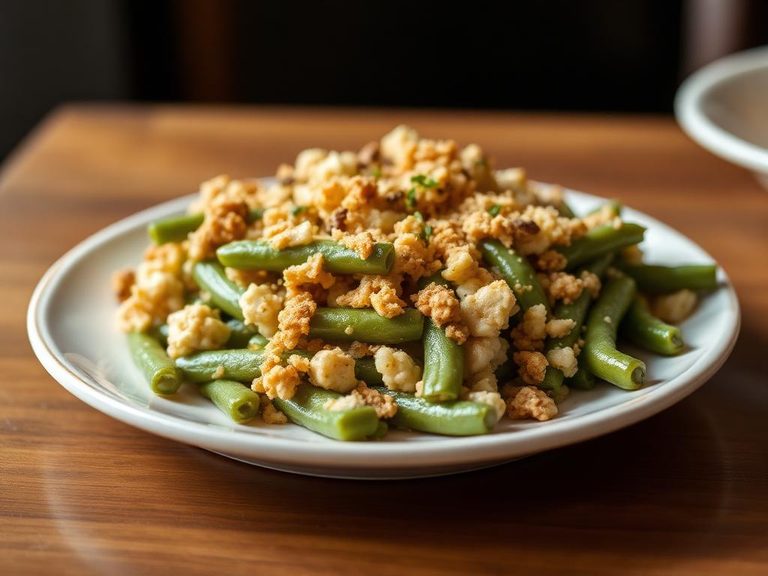
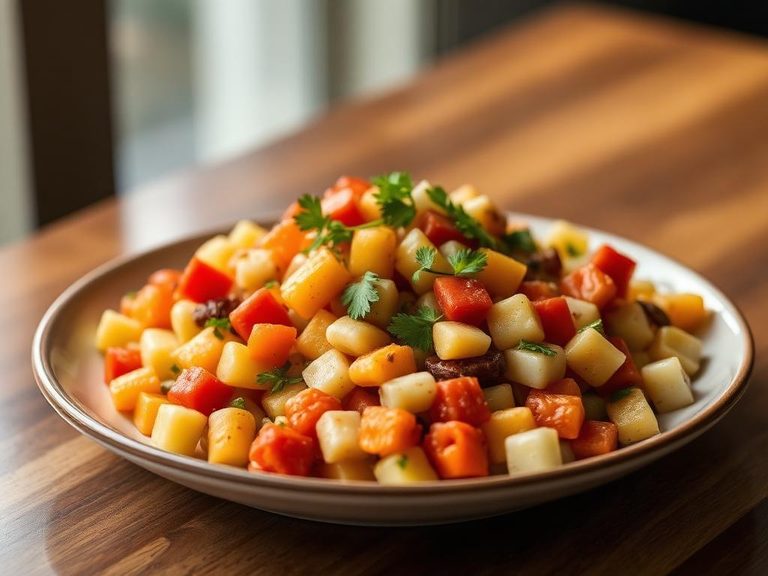
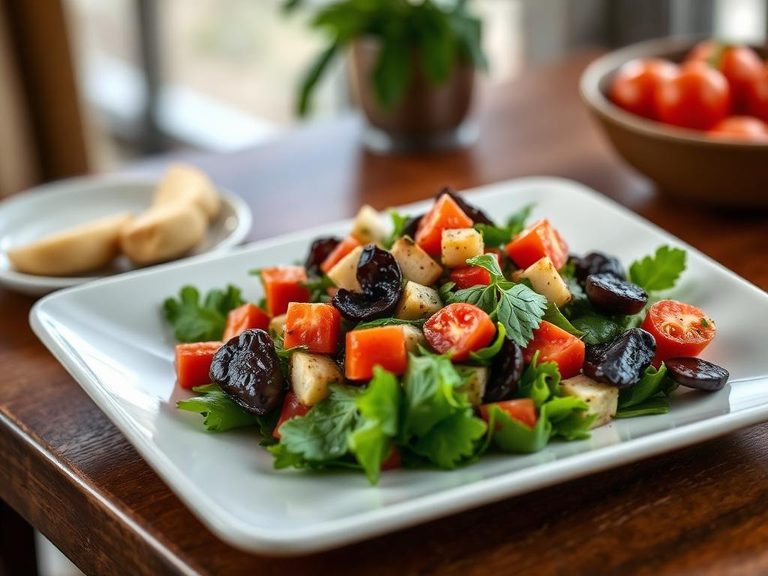
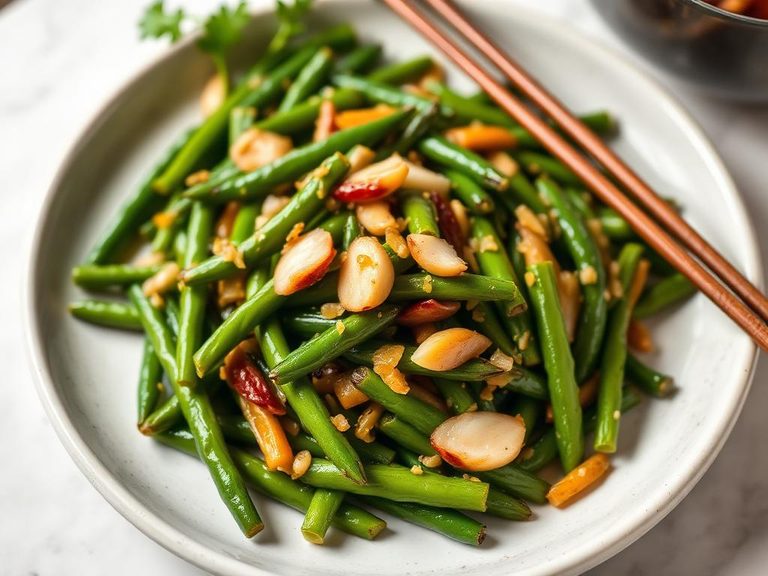
🍽️ Popular dishes
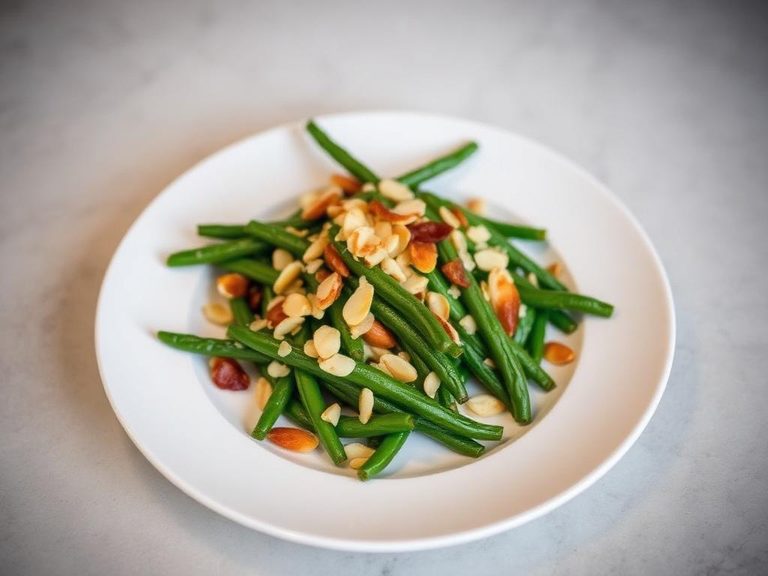
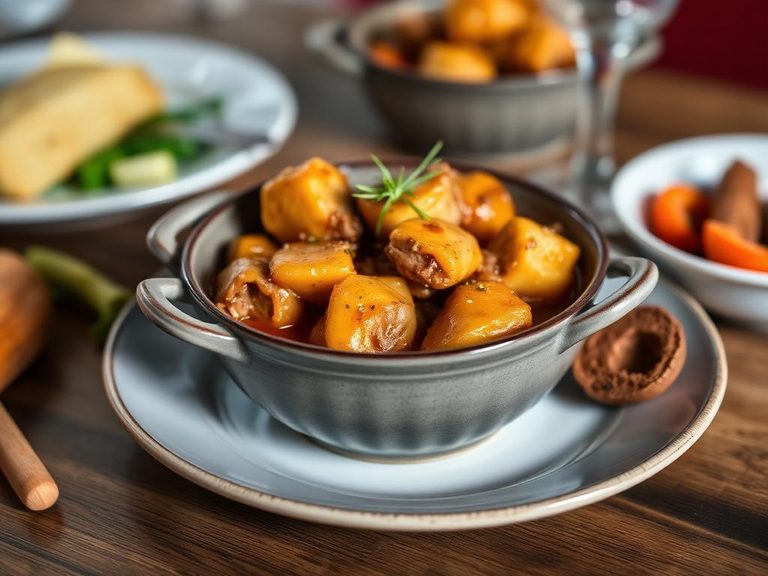
🌍 Where it's eaten
💡 Did you know?
The canning process for green beans was perfected in the early 1900s, and by the 1920s, the Campbell Soup Company began selling the iconic 'Green Bean Casserole' recipe using canned beans, which became a Thanksgiving staple in the United States.
Full nutrition (USDA data · scales with serving)
| Water | 93.5 g |
| Energy | 21.0 kcal |
| Energy | 88.0 kj |
| Protein | 1.1 g |
| Total lipid (fat) | 0.41 g |
| Ash | 0.83 g |
| Carbohydrate, by difference | 4.2 g |
| Fiber, total dietary | 1.9 g |
| Total Sugars | 1.4 g |
| Sucrose | 0.18 g |
| Glucose | 0.63 g |
| Fructose | 0.62 g |
| Lactose | 0.00 g |
| Maltose | 0.00 g |
| Galactose | 0.00 g |
| Starch | 1.0 g |
| Calcium, Ca | 37.0 mg |
| Iron, Fe | 0.89 mg |
| Magnesium, Mg | 13.0 mg |
| Phosphorus, P | 22.0 mg |
| Potassium, K | 96.0 mg |
| Sodium, Na | 268 mg |
| Zinc, Zn | 0.19 mg |
| Copper, Cu | 0.04 mg |
| Manganese, Mn | 0.17 mg |
| Selenium, Se | 0.40 ug |
| Vitamin C, total ascorbic acid | 2.8 mg |
| Thiamin | 0.02 mg |
| Riboflavin | 0.05 mg |
| Niacin | 0.21 mg |
| Pantothenic acid | 0.20 mg |
| Vitamin B-6 | 0.03 mg |
| Folate, total | 24.0 ug |
| Folic acid | 0.00 ug |
| Folate, food | 24.0 ug |
| Folate, DFE | 24.0 ug |
| Choline, total | 14.7 mg |
| Betaine | 0.20 mg |
| Vitamin B-12 | 0.00 ug |
| Vitamin B-12, added | 0.00 ug |
| Vitamin A, RAE | 18.0 ug |
| Retinol | 0.00 ug |
| Carotene, beta | 122 ug |
| Carotene, alpha | 156 ug |
| Cryptoxanthin, beta | 24.0 ug |
| Vitamin A, IU | 353 iu |
| Lycopene | 0.00 ug |
| Lutein + zeaxanthin | 384 ug |
| Vitamin E (alpha-tocopherol) | 0.03 mg |
| Vitamin E, added | 0.00 mg |
| Vitamin D (D2 + D3), International Units | 0.00 iu |
| Vitamin D (D2 + D3) | 0.00 ug |
| Vitamin D2 (ergocalciferol) | 0.00 ug |
| Vitamin D3 (cholecalciferol) | 0.00 ug |
| Vitamin K (phylloquinone) | 38.9 ug |
| Vitamin K (Dihydrophylloquinone) | 0.00 ug |
| Vitamin K (Menaquinone-4) | 0.00 ug |
| Alcohol, ethyl | 0.00 g |
| Caffeine | 0.00 mg |
| Theobromine | 0.00 mg |
Fat & fatty acid profile (per 100g)
| Fatty acids, total saturated | 0.09 g |
| SFA 4:0 | 0.00 g |
| SFA 6:0 | 0.00 g |
| SFA 8:0 | 0.00 g |
| SFA 10:0 | 0.00 g |
| SFA 12:0 | 0.00 g |
| SFA 14:0 | 0.00 g |
| SFA 16:0 | 0.08 g |
| SFA 18:0 | 0.01 g |
| Fatty acids, total monounsaturated | 0.02 g |
| MUFA 16:1 | 0.00 g |
| MUFA 18:1 | 0.02 g |
| MUFA 20:1 | 0.00 g |
| MUFA 22:1 | 0.00 g |
| Fatty acids, total polyunsaturated | 0.21 g |
| PUFA 18:2 | 0.08 g |
| PUFA 18:3 | 0.13 g |
| PUFA 18:4 | 0.00 g |
| PUFA 20:4 | 0.00 g |
| PUFA 20:5 n-3 (EPA) | 0.00 g |
| PUFA 22:5 n-3 (DPA) | 0.00 g |
| PUFA 22:6 n-3 (DHA) | 0.00 g |
| Fatty acids, total trans | 0.00 g |
| Cholesterol | 0.00 mg |
Amino acid profile (per 100g)
| Tryptophan | 0.01 g |
| Threonine | 0.04 g |
| Isoleucine | 0.04 g |
| Leucine | 0.06 g |
| Lysine | 0.05 g |
| Methionine | 0.01 g |
| Cystine | 0.01 g |
| Phenylalanine | 0.04 g |
| Tyrosine | 0.02 g |
| Valine | 0.05 g |
| Arginine | 0.04 g |
| Histidine | 0.02 g |
| Alanine | 0.05 g |
| Aspartic acid | 0.15 g |
| Glutamic acid | 0.11 g |
| Glycine | 0.04 g |
| Proline | 0.04 g |
| Serine | 0.06 g |
FAQ
Are canned green beans as nutritious as fresh ones?
Yes, canned green beans retain most of their vitamins and minerals, though some water-soluble vitamins like Vitamin C may be slightly reduced. They are a perfectly nutritious and convenient alternative to fresh or frozen beans.
How can I reduce the sodium in canned green beans?
Rinse the beans thoroughly under cold running water in a colander for about 30 seconds. This can reduce the sodium content by up to 40%. Alternatively, choose 'no salt added' versions.
What is the difference between canned and frozen green beans?
Canned beans are pre-cooked and have a softer texture, while frozen beans are typically blanched and retain a firmer, more crisp-tender bite. Both are nutritious; choose based on your recipe and texture preference.
Nutrient density (calculated · NRF9.3)
Nutrient Rich Foods index: beneficial nutrients (protein, fiber, vitamins, minerals) minus saturated fat, added sugar & sodium, per 100 kcal.
NRF9.3 index — Fulgoni, Keast & Drewnowski, 2009. Computed from USDA nutrients.
Weight-loss friendliness (composite index)
Energy density 0.21 kcal/g · 20% calories from protein · 1.9 g fiber · 1.4 g sugar per 100 g.
Composite of energy density (Rolls et al., 1999), protein & fiber satiety, minus sugar. A calculated heuristic — ranks satiety-per-calorie, not a clinical measure.
Dietary load (calculated from USDA values)
Potential renal acid load. Positive = acid-forming, negative = alkaline-forming.
Sodium-to-potassium ratio: 2.79 (lower is better — aim for ≤ 1)
Sodium:potassium per WHO potassium guidance. Computed from USDA nutrients.