

Peanuts, all types, oil-roasted, without salt
Whole food · Legumes and Legume Products

Photo: Wikipedia
These are peanuts, roasted in oil without added salt, resulting in a rich, toasty flavor and a satisfyingly crunchy texture. They are a calorie-dense powerhouse, packing over 52 grams of fat and 28 grams of protein per 100 grams, making them a substantial, energy-rich snack.
Calorie split: 17% protein · 9% carbs · 73% fat
↓ Full nutrition💚 Why it's loved
People adore their deep, nutty flavor and satisfying crunch, which makes them endlessly versatile for snacking or cooking. They are a beloved staple in many cultures, enjoyed on their own or as a key ingredient in both sweet and savory dishes.
⚠️ Watch-outs & how to enjoy it better
As a common allergen, peanuts can cause severe reactions in some individuals. Their high calorie and fat content means portion control is key for those managing weight. To enjoy mindfully, measure out a single serving (about a handful) and pair them with a piece of fruit to balance the meal.
Key benefits
- Excellent source of plant-based protein
- High in heart-healthy monounsaturated fats
- Good source of dietary fiber
- Rich in essential minerals like magnesium and potassium
- Provides a quick, sustained energy boost
🍽️ Popular dishes
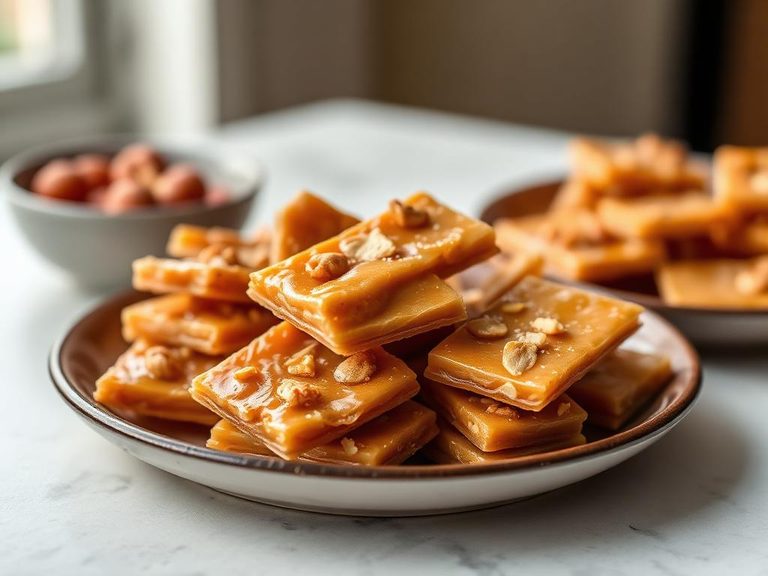
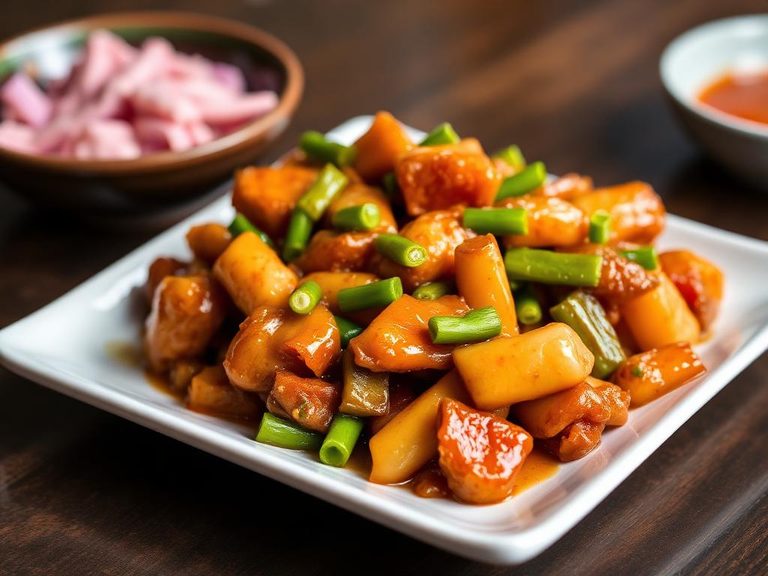
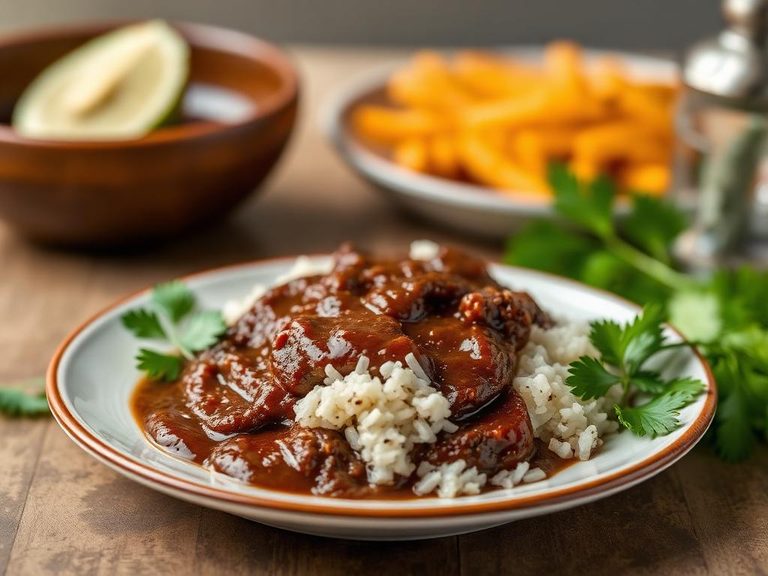
🌍 Where it's eaten
💡 Did you know?
Peanuts aren't true nuts; they are legumes that develop underground, a unique trait that gives them their name 'groundnuts'.
Full nutrition (USDA data · scales with serving)
| Water | 1.4 g |
| Energy | 599 kcal |
| Energy | 2506 kj |
| Protein | 28.0 g |
| Total lipid (fat) | 52.5 g |
| Ash | 2.8 g |
| Carbohydrate, by difference | 15.3 g |
| Fiber, total dietary | 9.4 g |
| Total Sugars | 4.2 g |
| Sucrose | 4.0 g |
| Glucose | 0.08 g |
| Fructose | 0.08 g |
| Lactose | 0.00 g |
| Maltose | 0.00 g |
| Galactose | 0.00 g |
| Calcium, Ca | 61.0 mg |
| Iron, Fe | 1.5 mg |
| Magnesium, Mg | 176 mg |
| Phosphorus, P | 397 mg |
| Potassium, K | 726 mg |
| Sodium, Na | 6.0 mg |
| Zinc, Zn | 3.3 mg |
| Copper, Cu | 0.53 mg |
| Manganese, Mn | 1.8 mg |
| Selenium, Se | 3.3 ug |
| Vitamin C, total ascorbic acid | 0.80 mg |
| Thiamin | 0.09 mg |
| Riboflavin | 0.09 mg |
| Niacin | 13.8 mg |
| Pantothenic acid | 1.2 mg |
| Vitamin B-6 | 0.46 mg |
| Folate, total | 120 ug |
| Folic acid | 0.00 ug |
| Folate, food | 120 ug |
| Folate, DFE | 120 ug |
| Choline, total | 55.0 mg |
| Vitamin B-12 | 0.00 ug |
| Vitamin B-12, added | 0.00 ug |
| Vitamin A, RAE | 0.00 ug |
| Retinol | 0.00 ug |
| Carotene, beta | 0.00 ug |
| Carotene, alpha | 0.00 ug |
| Cryptoxanthin, beta | 0.00 ug |
| Vitamin A, IU | 0.00 iu |
| Lycopene | 0.00 ug |
| Lutein + zeaxanthin | 0.00 ug |
| Vitamin E (alpha-tocopherol) | 6.9 mg |
| Vitamin E, added | 0.00 mg |
| Vitamin D (D2 + D3), International Units | 0.00 iu |
| Vitamin D (D2 + D3) | 0.00 ug |
| Vitamin K (phylloquinone) | 0.00 ug |
| Vitamin K (Dihydrophylloquinone) | 0.00 ug |
| Alcohol, ethyl | 0.00 g |
| Caffeine | 0.00 mg |
| Theobromine | 0.00 mg |
Fat & fatty acid profile (per 100g)
| Fatty acids, total saturated | 8.7 g |
| SFA 4:0 | 0.00 g |
| SFA 6:0 | 0.00 g |
| SFA 8:0 | 0.04 g |
| SFA 10:0 | 0.04 g |
| SFA 12:0 | 0.04 g |
| SFA 14:0 | 0.04 g |
| SFA 15:0 | 0.04 g |
| SFA 16:0 | 5.0 g |
| SFA 17:0 | 0.06 g |
| SFA 18:0 | 1.4 g |
| SFA 20:0 | 0.67 g |
| SFA 22:0 | 1.3 g |
| Fatty acids, total monounsaturated | 26.0 g |
| MUFA 14:1 | 0.04 g |
| MUFA 15:1 | 0.04 g |
| MUFA 16:1 | 0.04 g |
| MUFA 17:1 | 0.04 g |
| MUFA 18:1 | 25.2 g |
| MUFA 20:1 | 0.61 g |
| MUFA 22:1 | 0.00 g |
| Fatty acids, total polyunsaturated | 15.3 g |
| PUFA 18:2 | 15.1 g |
| PUFA 18:3 | 0.04 g |
| PUFA 18:3 n-6 c,c,c | 0.04 g |
| PUFA 18:4 | 0.00 g |
| PUFA 20:2 n-6 c,c | 0.04 g |
| PUFA 20:3 | 0.04 g |
| PUFA 20:4 | 0.04 g |
| PUFA 20:5 n-3 (EPA) | 0.00 g |
| PUFA 22:5 n-3 (DPA) | 0.00 g |
| PUFA 22:6 n-3 (DHA) | 0.00 g |
| Cholesterol | 0.00 mg |
Amino acid profile (per 100g)
| Tryptophan | 0.23 g |
| Threonine | 0.61 g |
| Isoleucine | 0.98 g |
| Leucine | 1.8 g |
| Lysine | 0.94 g |
| Methionine | 0.29 g |
| Cystine | 0.38 g |
| Phenylalanine | 1.4 g |
| Tyrosine | 1.0 g |
| Valine | 1.1 g |
| Arginine | 3.2 g |
| Histidine | 0.66 g |
| Alanine | 1.1 g |
| Aspartic acid | 3.3 g |
| Glutamic acid | 5.4 g |
| Glycine | 1.6 g |
| Proline | 1.2 g |
| Serine | 1.3 g |
FAQ
Are oil-roasted peanuts healthier than dry-roasted?
Oil-roasting adds a small amount of fat and calories compared to dry-roasting, but the difference is minimal. The primary health factor is the absence of added salt, which is beneficial for blood pressure management.
How should I store them to keep them fresh?
Store in an airtight container in a cool, dark place like a pantry for up to 3 months. For longer storage, refrigerate or freeze them to prevent the natural oils from going rancid.
Can I use these in place of raw peanuts in recipes?
Yes, but note that their flavor is already developed and richer. They are ideal for recipes where a deep, nutty taste is desired, but may not be suitable for dishes requiring the milder flavor of raw peanuts.
Nutrient density (calculated · NRF9.3)
Nutrient Rich Foods index: beneficial nutrients (protein, fiber, vitamins, minerals) minus saturated fat, added sugar & sodium, per 100 kcal.
NRF9.3 index — Fulgoni, Keast & Drewnowski, 2009. Computed from USDA nutrients.
Weight-loss friendliness (composite index)
Energy density 5.99 kcal/g · 19% calories from protein · 9.4 g fiber · 4.2 g sugar per 100 g.
Composite of energy density (Rolls et al., 1999), protein & fiber satiety, minus sugar. A calculated heuristic — ranks satiety-per-calorie, not a clinical measure.
Dietary load (calculated from USDA values)
Potential renal acid load. Positive = acid-forming, negative = alkaline-forming.
Sodium-to-potassium ratio: 0.01 (lower is better — aim for ≤ 1)
Sodium:potassium per WHO potassium guidance. Computed from USDA nutrients.