Cheese, cottage, creamed, large or small curd
Whole food · Dairy and Egg Products

Photo: Wikipedia
Creamed cottage cheese is a fresh, mild dairy product with a soft, lumpy texture from its signature curds suspended in a creamy whey base. It boasts an impressive protein-to-calorie ratio, delivering over 11 grams of protein per 100 grams while remaining relatively low in fat and calories.
💚 Why it's loved
People love its versatile, mild flavor that acts as a blank canvas for both sweet and savory toppings, from fresh fruit and honey to herbs and everything bagel seasoning. Its creamy-yet-textured mouthfeel makes it a satisfying, protein-packed snack or meal component.
⚠️ Watch-outs & how to enjoy it better
Some find the texture of the curds unappealing, and its mild flavor can be perceived as bland. Those monitoring sodium intake should check labels, as some varieties are higher in salt. As a dairy product, it contains lactose and milk proteins, which are common allergens. To counteract blandness, season it well or pair it with bold flavors like smoked salmon or spicy chili flakes.
Key benefits
- Excellent source of complete protein for muscle maintenance
- Low in calories, making it suitable for calorie-conscious diets
- Rich in calcium and phosphorus for bone health
- Contains B vitamins like riboflavin and B12
- Provides a good source of selenium, an important antioxidant mineral
🍽️ Popular dishes
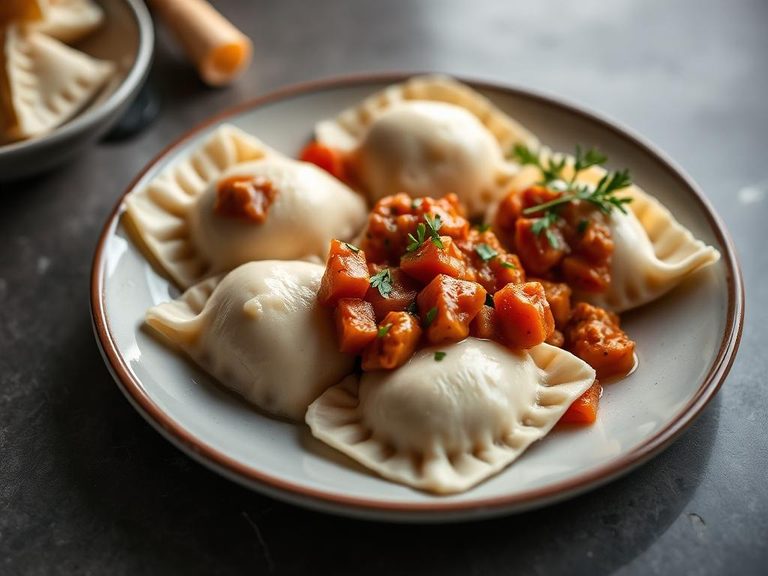
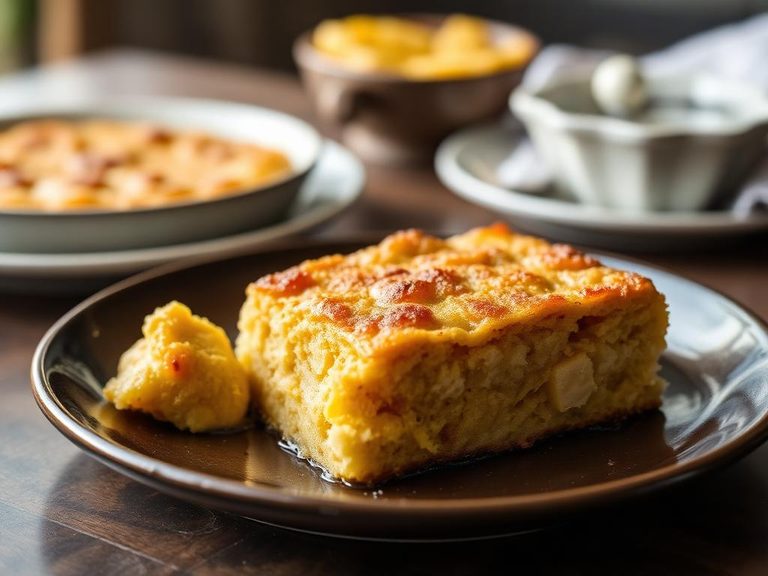
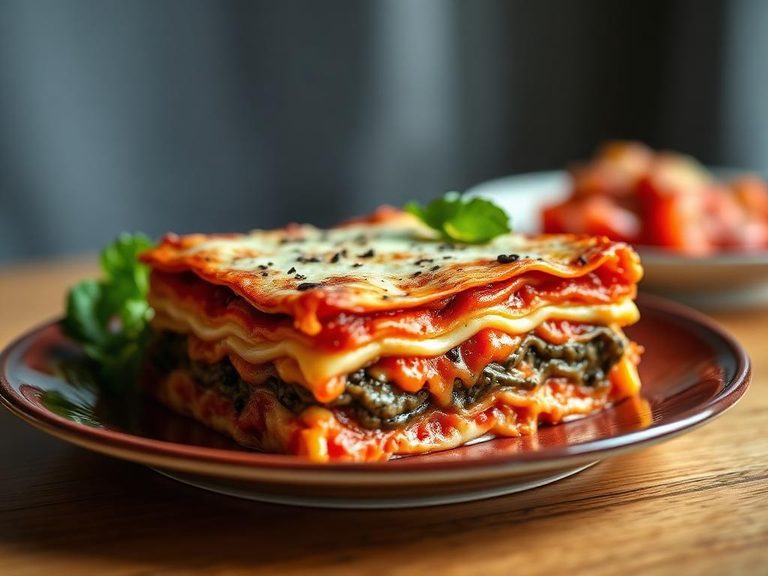
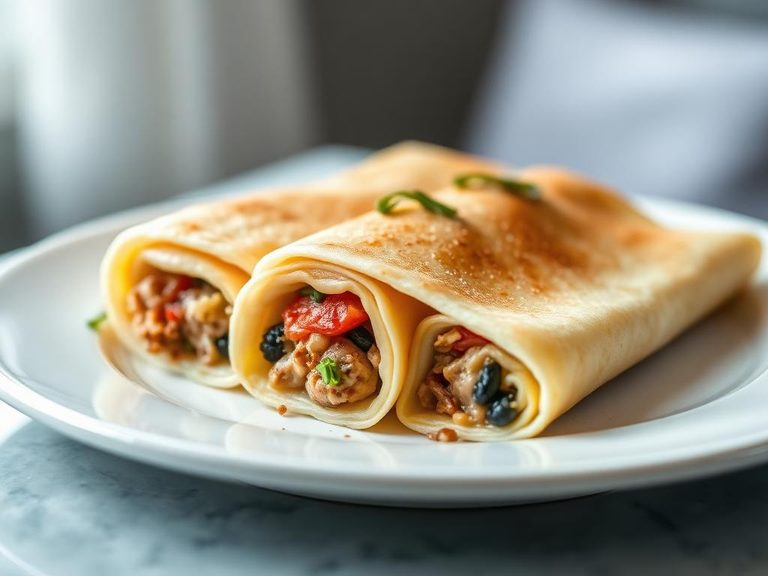
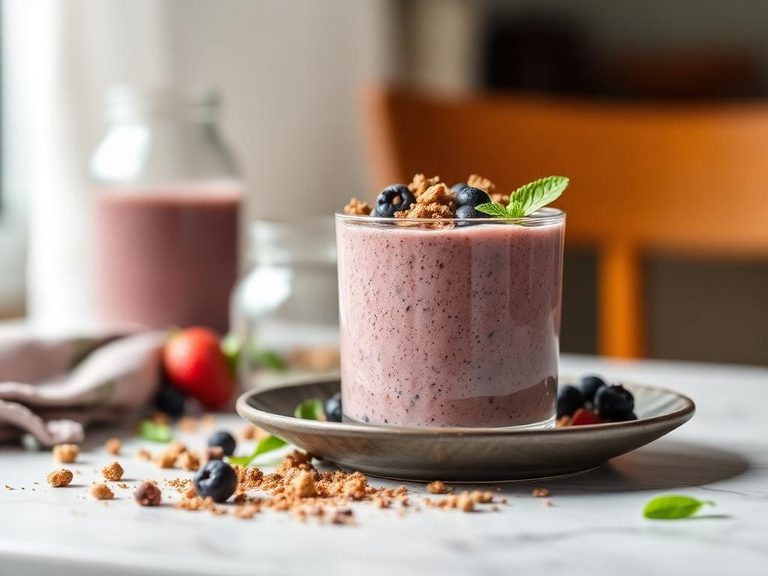
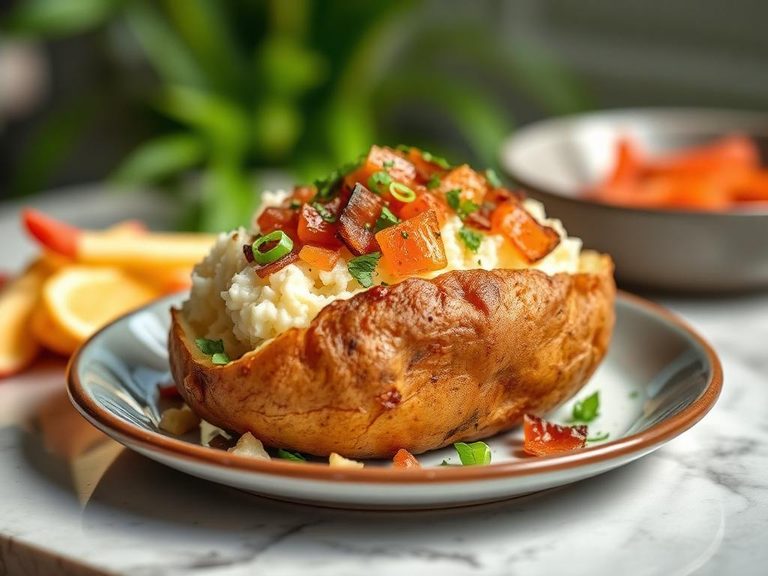
🌍 Where it's eaten
💡 Did you know?
The 'creamed' designation means the curds have been mixed with a small amount of cream or milk to achieve a smoother, more pourable consistency than standard cottage cheese.
Full nutrition (scales with serving)
| Water | 79.8 g |
| Energy | 98.0 kcal |
| Energy | 412 kj |
| Protein | 11.1 g |
| Total lipid (fat) | 4.3 g |
| Ash | 1.4 g |
| Carbohydrate, by difference | 3.4 g |
| Fiber, total dietary | 0.00 g |
| Total Sugars | 2.7 g |
| Sucrose | 0.00 g |
| Glucose | 0.00 g |
| Fructose | 0.00 g |
| Lactose | 2.7 g |
| Maltose | 0.00 g |
| Galactose | 0.00 g |
| Calcium, Ca | 83.0 mg |
| Iron, Fe | 0.07 mg |
| Magnesium, Mg | 8.0 mg |
| Phosphorus, P | 159 mg |
| Potassium, K | 104 mg |
| Sodium, Na | 315 mg |
| Zinc, Zn | 0.40 mg |
| Copper, Cu | 0.03 mg |
| Manganese, Mn | 0.00 mg |
| Selenium, Se | 9.7 ug |
| Fluoride, F | 31.6 ug |
| Vitamin C, total ascorbic acid | 0.00 mg |
| Thiamin | 0.03 mg |
| Riboflavin | 0.16 mg |
| Niacin | 0.10 mg |
| Pantothenic acid | 0.56 mg |
| Vitamin B-6 | 0.05 mg |
| Folate, total | 12.0 ug |
| Folic acid | 0.00 ug |
| Folate, food | 12.0 ug |
| Folate, DFE | 12.0 ug |
| Choline, total | 18.4 mg |
| Betaine | 0.70 mg |
| Vitamin B-12 | 0.43 ug |
| Vitamin B-12, added | 0.00 ug |
| Vitamin A, RAE | 37.0 ug |
| Retinol | 36.0 ug |
| Carotene, beta | 12.0 ug |
| Carotene, alpha | 0.00 ug |
| Cryptoxanthin, beta | 0.00 ug |
| Vitamin A, IU | 140 iu |
| Lycopene | 0.00 ug |
| Lutein + zeaxanthin | 0.00 ug |
| Vitamin E (alpha-tocopherol) | 0.08 mg |
| Vitamin E, added | 0.00 mg |
| Tocopherol, beta | 0.00 mg |
| Tocopherol, gamma | 0.00 mg |
| Tocopherol, delta | 0.00 mg |
| Tocotrienol, alpha | 0.00 mg |
| Tocotrienol, beta | 0.00 mg |
| Tocotrienol, gamma | 0.00 mg |
| Tocotrienol, delta | 0.00 mg |
| Vitamin D (D2 + D3), International Units | 3.0 iu |
| Vitamin D (D2 + D3) | 0.10 ug |
| Vitamin D3 (cholecalciferol) | 0.10 ug |
| Vitamin K (phylloquinone) | 0.00 ug |
| Vitamin K (Dihydrophylloquinone) | 0.00 ug |
| Vitamin K (Menaquinone-4) | 0.90 ug |
| Alcohol, ethyl | 0.00 g |
| Caffeine | 0.00 mg |
| Theobromine | 0.00 mg |
Fat & fatty acid profile (per 100g)
| Fatty acids, total saturated | 1.7 g |
| SFA 4:0 | 0.11 g |
| SFA 6:0 | 0.03 g |
| SFA 8:0 | 0.02 g |
| SFA 10:0 | 0.06 g |
| SFA 12:0 | 0.07 g |
| SFA 14:0 | 0.26 g |
| SFA 15:0 | 0.03 g |
| SFA 16:0 | 0.78 g |
| SFA 17:0 | 0.01 g |
| SFA 18:0 | 0.34 g |
| Fatty acids, total monounsaturated | 0.78 g |
| MUFA 14:1 | 0.02 g |
| MUFA 16:1 | 0.05 g |
| MUFA 18:1 | 0.71 g |
| MUFA 20:1 | 0.00 g |
| MUFA 22:1 | 0.00 g |
| Fatty acids, total polyunsaturated | 0.12 g |
| PUFA 18:2 | 0.10 g |
| PUFA 18:3 | 0.02 g |
| PUFA 18:4 | 0.00 g |
| PUFA 20:4 | 0.00 g |
| PUFA 20:5 n-3 (EPA) | 0.00 g |
| PUFA 22:5 n-3 (DPA) | 0.00 g |
| PUFA 22:6 n-3 (DHA) | 0.00 g |
| Cholesterol | 17.0 mg |
Amino acid profile (per 100g)
| Tryptophan | 0.15 g |
| Threonine | 0.50 g |
| Isoleucine | 0.59 g |
| Leucine | 1.1 g |
| Lysine | 0.93 g |
| Methionine | 0.27 g |
| Cystine | 0.07 g |
| Phenylalanine | 0.58 g |
| Tyrosine | 0.60 g |
| Valine | 0.75 g |
| Arginine | 0.50 g |
| Histidine | 0.33 g |
| Alanine | 0.38 g |
| Aspartic acid | 0.91 g |
| Glutamic acid | 2.6 g |
| Glycine | 0.22 g |
| Proline | 1.2 g |
| Serine | 0.64 g |
FAQ
What's the difference between small curd and large curd?
The difference is purely textural. Small curd cottage cheese has a finer, smoother consistency, while large curd has bigger, more distinct lumps. Nutritionally, they are nearly identical.
Is cottage cheese good for weight loss?
It can be. Its high protein and relatively low calorie content promote satiety, helping you feel full longer. It's a popular choice in high-protein, calorie-controlled diets.
Can I eat the liquid (whey) in the container?
Yes, the liquid is whey, a natural byproduct of cheese-making. It's nutritious and packed with protein. You can stir it back in for a creamier texture or pour it off if you prefer a drier cheese.