

Toppings, butterscotch or caramel
Whole food · Sweets

Photo: Wikipedia
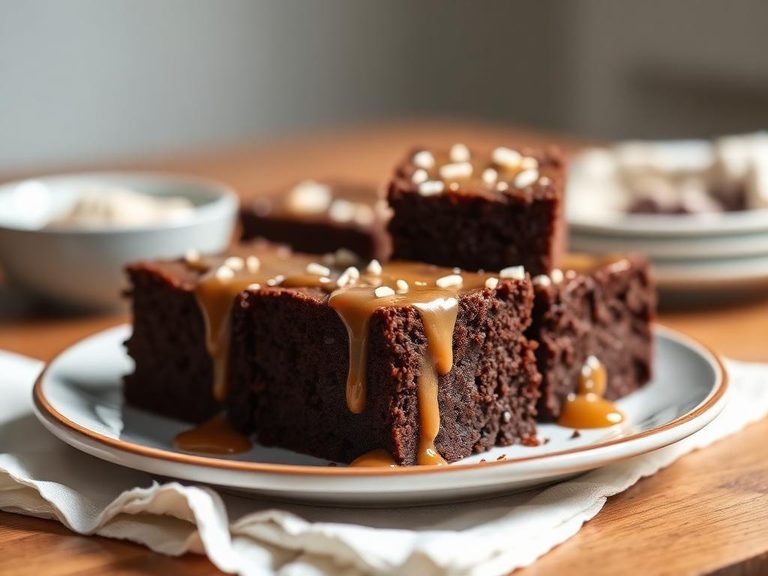
This is a thick, glossy, amber-colored sauce made primarily from caramelized sugar, butter, and cream. It has a rich, buttery, and deeply sweet flavor with a smooth, velvety texture that coats the tongue. Nutritionally, it's a dense source of pure energy, delivering 216 calories and 57 grams of sugar per 100g, with virtually no protein, fat, or fiber.
Calorie split: 2% protein · 98% carbs · 0% fat
↓ Full nutrition💚 Why it's loved
People adore it for its luxurious, comforting sweetness and velvety texture that elevates simple desserts. Its incredible versatility makes it a beloved topping for everything from ice cream and apples to pretzels and coffee drinks.
⚠️ Watch-outs & how to enjoy it better
Its very high sugar content can cause rapid blood-sugar spikes, making it unsuitable for those managing diabetes or insulin resistance. To counteract this, pair it with a source of protein or fat (like nuts or Greek yogurt) to slow sugar absorption, and practice strict portion control.
Key benefits
- Provides quick energy from simple carbohydrates
- Enhances palatability and enjoyment of other foods
- Adds a signature sweet, buttery flavor profile
- Offers a quick calorie boost when needed
- A versatile flavor base for both sweet and savory applications
🍽️ Popular dishes
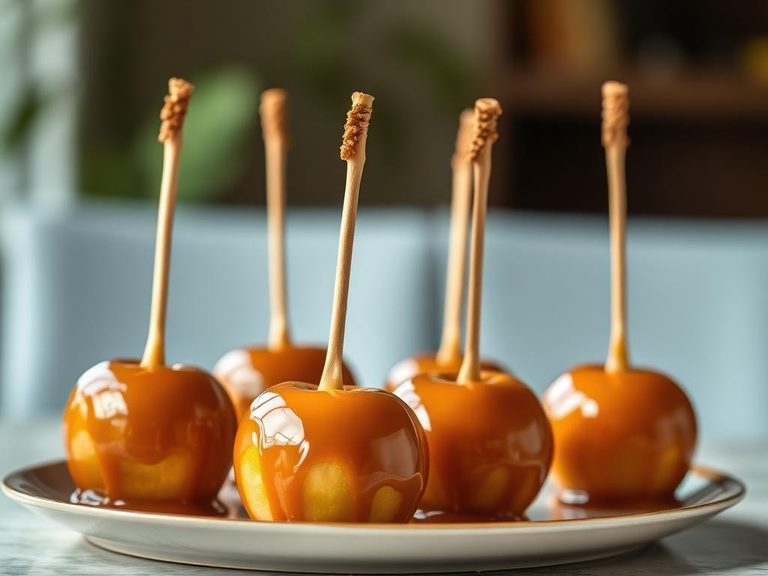
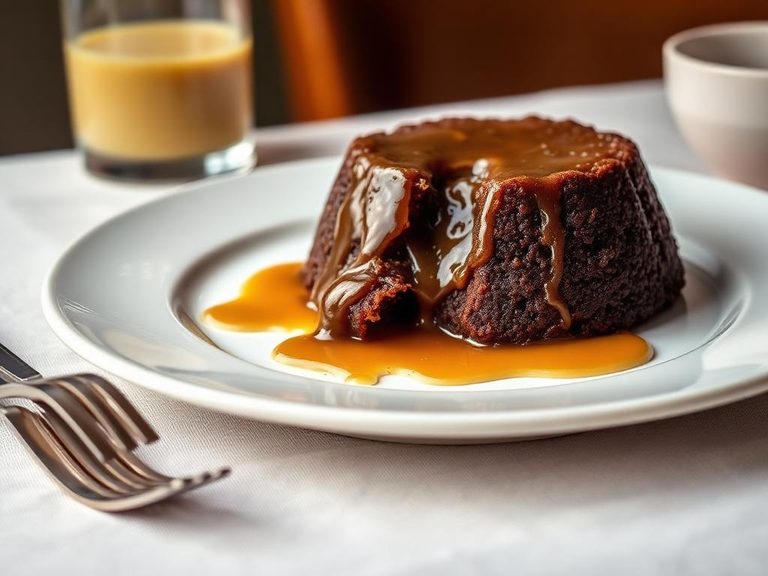
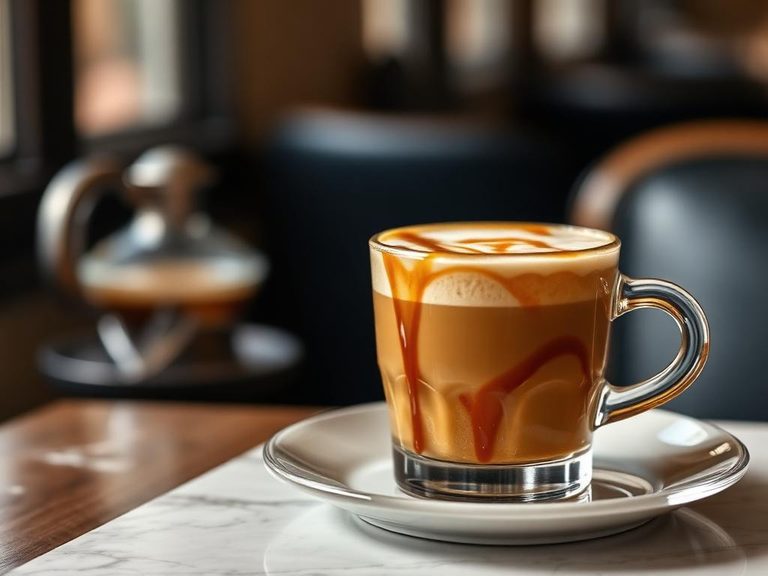
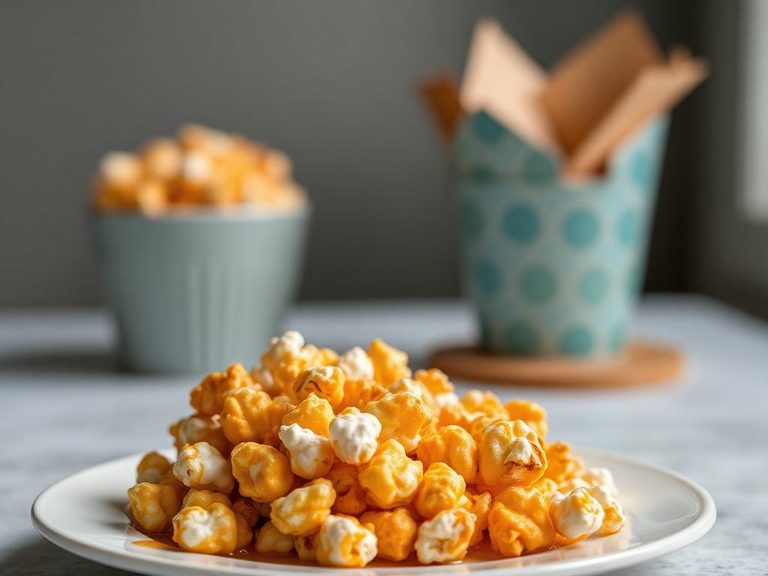

🌍 Where it's eaten
💡 Did you know?
The Maillard reaction, which creates the complex flavors in caramel, is the same chemical process responsible for the browning of seared steaks and toasted bread.
Full nutrition (USDA data · scales with serving)
| Water | 40.6 g |
| Energy | 216 kcal |
| Energy | 904 kj |
| Protein | 1.2 g |
| Total lipid (fat) | 0.00 g |
| Ash | 1.1 g |
| Carbohydrate, by difference | 57.0 g |
| Fiber, total dietary | 0.00 g |
| Total Sugars | 57.0 g |
| Calcium, Ca | 49.0 mg |
| Iron, Fe | 0.00 mg |
| Magnesium, Mg | 5.0 mg |
| Phosphorus, P | 39.0 mg |
| Potassium, K | 66.0 mg |
| Sodium, Na | 341 mg |
| Zinc, Zn | 0.00 mg |
| Copper, Cu | 0.00 mg |
| Manganese, Mn | 0.03 mg |
| Selenium, Se | 1.3 ug |
| Fluoride, F | 22.4 ug |
| Vitamin C, total ascorbic acid | 0.50 mg |
| Thiamin | 0.00 mg |
| Riboflavin | 0.00 mg |
| Niacin | 0.00 mg |
| Pantothenic acid | 0.00 mg |
| Vitamin B-6 | 0.00 mg |
| Folate, total | 2.0 ug |
| Folic acid | 0.00 ug |
| Folate, food | 2.0 ug |
| Folate, DFE | 2.0 ug |
| Choline, total | 6.6 mg |
| Vitamin B-12 | 0.18 ug |
| Vitamin B-12, added | 0.00 ug |
| Vitamin A, RAE | 19.0 ug |
| Retinol | 19.0 ug |
| Carotene, beta | 0.00 ug |
| Carotene, alpha | 0.00 ug |
| Cryptoxanthin, beta | 0.00 ug |
| Vitamin A, IU | 62.0 iu |
| Lycopene | 0.00 ug |
| Lutein + zeaxanthin | 0.00 ug |
| Vitamin E (alpha-tocopherol) | 0.05 mg |
| Vitamin E, added | 0.00 mg |
| Tocopherol, beta | 0.00 mg |
| Tocopherol, gamma | 0.02 mg |
| Tocopherol, delta | 0.00 mg |
| Tocotrienol, alpha | 0.00 mg |
| Tocotrienol, beta | 0.00 mg |
| Tocotrienol, gamma | 0.00 mg |
| Tocotrienol, delta | 0.00 mg |
| Vitamin D (D2 + D3), International Units | 0.00 iu |
| Vitamin D (D2 + D3) | 0.00 ug |
| Vitamin D3 (cholecalciferol) | 0.00 ug |
| Vitamin K (phylloquinone) | 0.00 ug |
| Alcohol, ethyl | 0.00 g |
| Caffeine | 0.00 mg |
| Theobromine | 0.00 mg |
Fat & fatty acid profile (per 100g)
| Fatty acids, total saturated | 0.00 g |
| SFA 4:0 | 0.00 g |
| SFA 6:0 | 0.00 g |
| SFA 8:0 | 0.00 g |
| SFA 10:0 | 0.00 g |
| SFA 12:0 | 0.00 g |
| SFA 14:0 | 0.00 g |
| SFA 15:0 | 0.00 g |
| SFA 16:0 | 0.00 g |
| SFA 17:0 | 0.00 g |
| SFA 18:0 | 0.00 g |
| SFA 20:0 | 0.00 g |
| SFA 22:0 | 0.00 g |
| Fatty acids, total monounsaturated | 0.00 g |
| MUFA 16:1 | 0.00 g |
| MUFA 18:1 | 0.00 g |
| MUFA 20:1 | 0.00 g |
| MUFA 22:1 | 0.00 g |
| Fatty acids, total polyunsaturated | 0.00 g |
| PUFA 18:2 | 0.00 g |
| PUFA 18:3 | 0.00 g |
| PUFA 18:4 | 0.00 g |
| PUFA 20:4 | 0.00 g |
| PUFA 20:5 n-3 (EPA) | 0.00 g |
| PUFA 22:5 n-3 (DPA) | 0.00 g |
| PUFA 22:6 n-3 (DHA) | 0.00 g |
| Fatty acids, total trans | 0.00 g |
| Cholesterol | 0.00 mg |
Amino acid profile (per 100g)
| Threonine | 0.07 g |
| Isoleucine | 0.09 g |
| Leucine | 0.14 g |
| Lysine | 0.12 g |
| Methionine | 0.04 g |
| Cystine | 0.01 g |
| Phenylalanine | 0.07 g |
| Tyrosine | 0.07 g |
| Valine | 0.10 g |
| Arginine | 0.05 g |
| Histidine | 0.04 g |
| Alanine | 0.05 g |
| Aspartic acid | 0.11 g |
| Glutamic acid | 0.31 g |
| Glycine | 0.03 g |
| Proline | 0.14 g |
| Serine | 0.08 g |
FAQ
What's the difference between butterscotch and caramel?
While both are sugar-based sauces, traditional butterscotch is made with brown sugar and butter, giving it a molasses-like depth. Caramel is typically made with white sugar, butter, and cream, resulting in a cleaner, more straightforward sweet flavor.
Can I use this as a savory sauce?
Yes, in moderation. A small amount of caramel or butterscotch can add a sweet counterpoint to savory dishes like glazed ham, roasted sweet potatoes, or even a spicy barbecue sauce.
How should I store it after opening?
Store it in an airtight container in the refrigerator. It will thicken as it cools but can be gently rewarmed in a microwave or saucepan to restore its pourable consistency.
Nutrient density (calculated · NRF9.3)
Nutrient Rich Foods index: beneficial nutrients (protein, fiber, vitamins, minerals) minus saturated fat, added sugar & sodium, per 100 kcal.
NRF9.3 index — Fulgoni, Keast & Drewnowski, 2009. Computed from USDA nutrients.
Weight-loss friendliness (composite index)
Energy density 2.16 kcal/g · 2% calories from protein · 0.0 g fiber · 57.0 g sugar per 100 g.
Composite of energy density (Rolls et al., 1999), protein & fiber satiety, minus sugar. A calculated heuristic — ranks satiety-per-calorie, not a clinical measure.
Dietary load (calculated from USDA values)
Potential renal acid load. Positive = acid-forming, negative = alkaline-forming.
Sodium-to-potassium ratio: 5.17 (lower is better — aim for ≤ 1)
Sodium:potassium per WHO potassium guidance. Computed from USDA nutrients.