

Seeds, sunflower seed kernels from shell, dry roasted, with salt added
Whole food · Nut and Seed Products
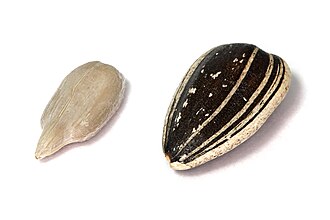
Photo: Wikipedia
These are the inner kernels of sunflower seeds, dry-roasted to a deep golden brown and lightly salted. They offer a satisfying, nutty crunch with a rich, toasty flavor and a slightly oily, tender bite. Nutritionally, they are a calorie-dense powerhouse, packed with nearly 50g of healthy fats and over 19g of plant-based protein per 100g.
Calorie split: 13% protein · 10% carbs · 76% fat
↓ Full nutrition💚 Why it's loved
People adore them for their addictive, savory crunch and deep, nutty flavor that elevates snacks and dishes. They are incredibly versatile, serving as a standalone snack, a salad topper, or a key ingredient in both sweet and savory recipes.
⚠️ Watch-outs & how to enjoy it better
The high sodium content from added salt can be a concern for those monitoring blood pressure. The calorie density means portion control is key, and they are a common allergen. To counteract, opt for low-sodium or unsalted varieties, measure out a single serving (about a handful), and be mindful of allergy warnings.
Key benefits
- Excellent source of vitamin E, a potent antioxidant.
- High in magnesium, supporting muscle and nerve function.
- Provides a substantial amount of plant-based protein.
- Rich in selenium and healthy monounsaturated fats.
- Good source of dietary fiber for digestive health.
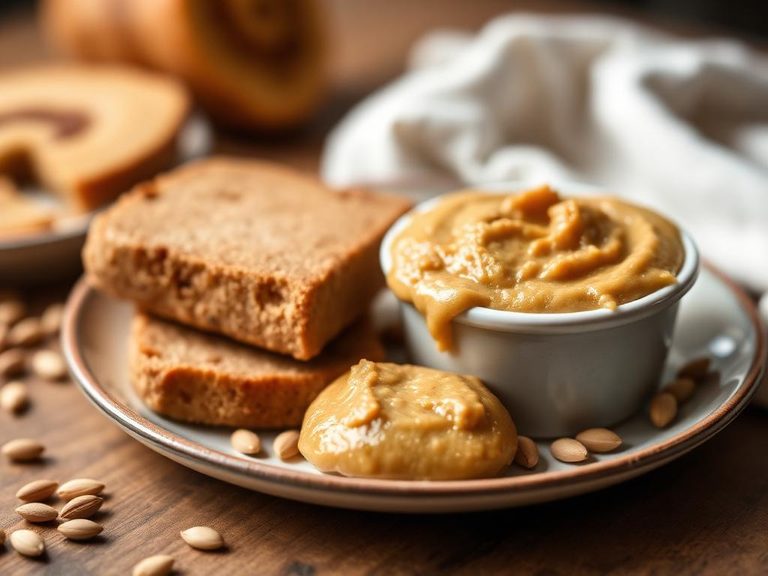
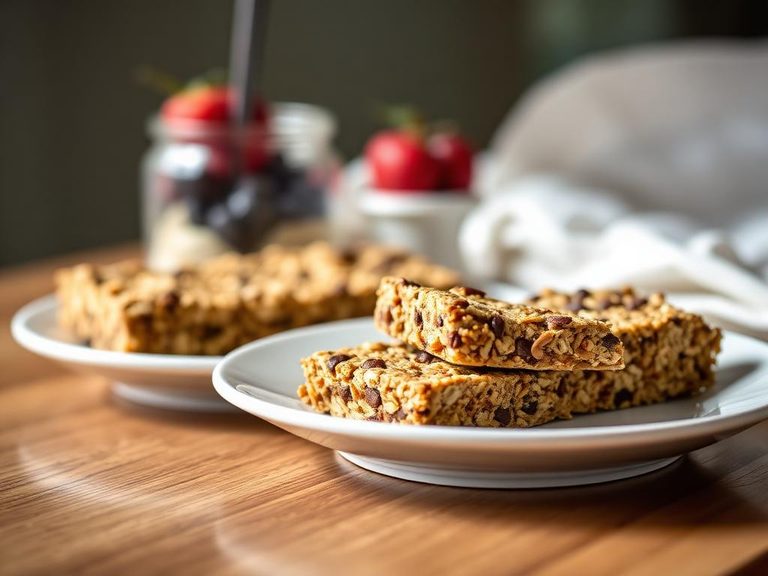
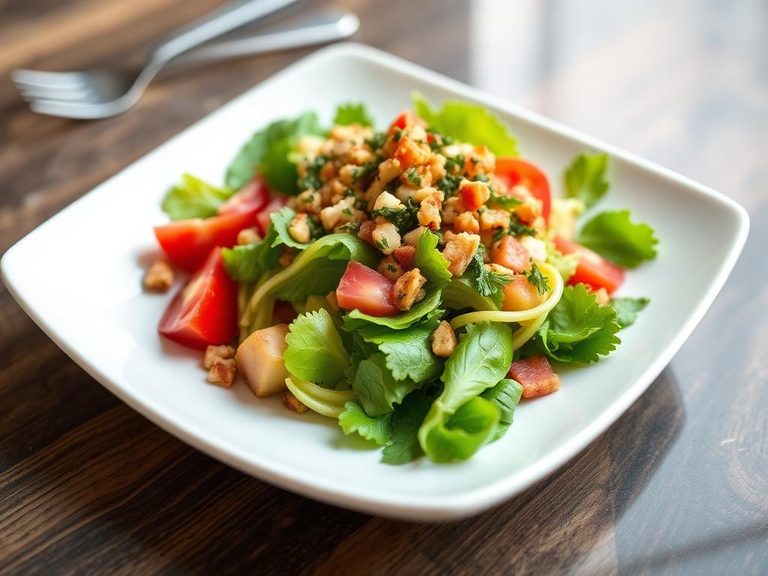
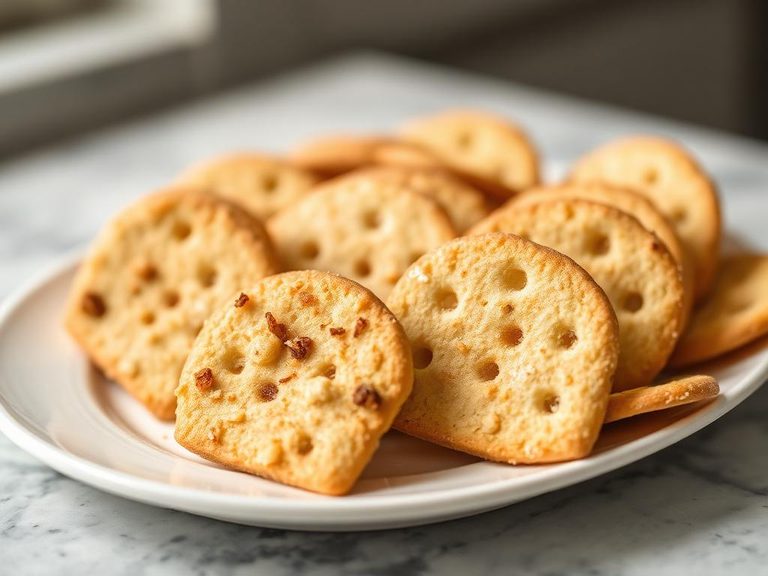
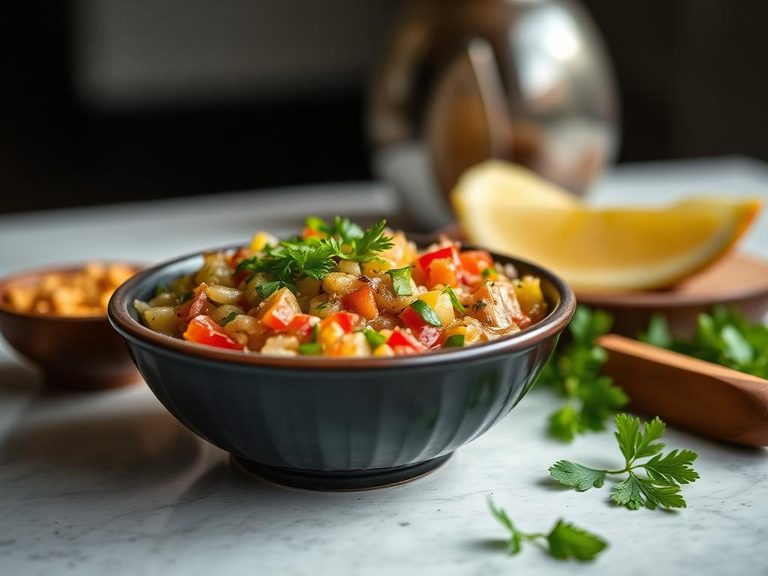
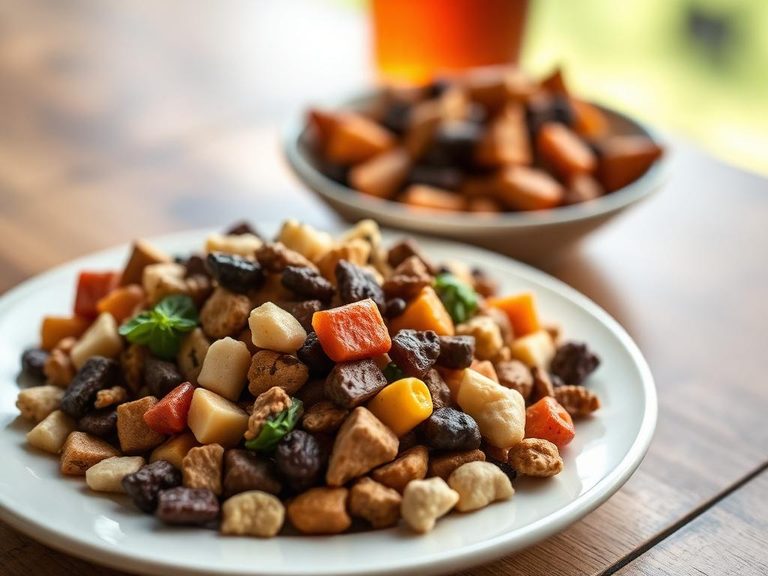
🍽️ Popular dishes
🌍 Where it's eaten
💡 Did you know?
The United States is the world's largest producer of sunflower seeds, with North Dakota and South Dakota leading the harvest.
Full nutrition (USDA data · scales with serving)
| Water | 1.2 g |
| Energy | 546 kcal |
| Energy | 2285 kj |
| Protein | 19.3 g |
| Total lipid (fat) | 49.8 g |
| Ash | 14.4 g |
| Carbohydrate, by difference | 15.3 g |
| Fiber, total dietary | 9.0 g |
| Total Sugars | 2.7 g |
| Sucrose | 2.7 g |
| Glucose | 0.03 g |
| Fructose | 0.00 g |
| Lactose | 0.00 g |
| Maltose | 0.00 g |
| Galactose | 0.00 g |
| Calcium, Ca | 70.0 mg |
| Iron, Fe | 3.8 mg |
| Magnesium, Mg | 129 mg |
| Phosphorus, P | 1155 mg |
| Potassium, K | 850 mg |
| Sodium, Na | 6008 mg |
| Zinc, Zn | 5.3 mg |
| Copper, Cu | 1.8 mg |
| Manganese, Mn | 2.1 mg |
| Selenium, Se | 79.3 ug |
| Vitamin C, total ascorbic acid | 1.4 mg |
| Thiamin | 0.11 mg |
| Riboflavin | 0.25 mg |
| Niacin | 7.0 mg |
| Pantothenic acid | 7.0 mg |
| Vitamin B-6 | 0.80 mg |
| Folate, total | 237 ug |
| Folic acid | 0.00 ug |
| Folate, food | 237 ug |
| Folate, DFE | 237 ug |
| Choline, total | 55.1 mg |
| Vitamin B-12 | 0.00 ug |
| Vitamin B-12, added | 0.00 ug |
| Vitamin A, RAE | 0.00 ug |
| Retinol | 0.00 ug |
| Carotene, beta | 5.0 ug |
| Carotene, alpha | 0.00 ug |
| Cryptoxanthin, beta | 0.00 ug |
| Vitamin A, IU | 9.0 iu |
| Lycopene | 0.00 ug |
| Lutein + zeaxanthin | 0.00 ug |
| Vitamin E (alpha-tocopherol) | 26.1 mg |
| Vitamin E, added | 0.00 mg |
| Tocopherol, beta | 1.2 mg |
| Tocopherol, gamma | 0.00 mg |
| Tocopherol, delta | 0.24 mg |
| Tocotrienol, alpha | 0.00 mg |
| Tocotrienol, beta | 0.00 mg |
| Tocotrienol, gamma | 0.00 mg |
| Tocotrienol, delta | 0.00 mg |
| Vitamin D (D2 + D3), International Units | 0.00 iu |
| Vitamin D (D2 + D3) | 0.00 ug |
| Vitamin K (phylloquinone) | 2.7 ug |
| Alcohol, ethyl | 0.00 g |
| Caffeine | 0.00 mg |
| Theobromine | 0.00 mg |
Fat & fatty acid profile (per 100g)
| Fatty acids, total saturated | 5.2 g |
| SFA 4:0 | 0.00 g |
| SFA 6:0 | 0.00 g |
| SFA 8:0 | 0.00 g |
| SFA 10:0 | 0.00 g |
| SFA 12:0 | 0.00 g |
| SFA 14:0 | 0.05 g |
| SFA 16:0 | 2.8 g |
| SFA 18:0 | 2.2 g |
| Fatty acids, total monounsaturated | 9.5 g |
| MUFA 16:1 | 0.05 g |
| MUFA 18:1 | 9.4 g |
| MUFA 20:1 | 0.05 g |
| MUFA 22:1 | 0.00 g |
| Fatty acids, total polyunsaturated | 32.9 g |
| PUFA 18:2 | 32.8 g |
| PUFA 18:3 | 0.07 g |
| PUFA 18:4 | 0.00 g |
| PUFA 20:4 | 0.00 g |
| PUFA 20:5 n-3 (EPA) | 0.00 g |
| PUFA 22:5 n-3 (DPA) | 0.00 g |
| PUFA 22:6 n-3 (DHA) | 0.00 g |
| Cholesterol | 0.00 mg |
Amino acid profile (per 100g)
| Tryptophan | 0.29 g |
| Threonine | 0.79 g |
| Isoleucine | 0.97 g |
| Leucine | 1.4 g |
| Lysine | 0.80 g |
| Methionine | 0.42 g |
| Cystine | 0.38 g |
| Phenylalanine | 0.99 g |
| Tyrosine | 0.56 g |
| Valine | 1.1 g |
| Arginine | 2.0 g |
| Histidine | 0.54 g |
| Alanine | 0.95 g |
| Aspartic acid | 2.1 g |
| Glutamic acid | 4.7 g |
| Glycine | 1.2 g |
| Proline | 1.0 g |
| Serine | 0.91 g |
FAQ
Are sunflower seeds a good source of protein?
Yes, they are an excellent plant-based protein source, providing about 19g of protein per 100g, making them a great addition to vegetarian and vegan diets.
Why are they so high in calories?
The majority of their calories come from healthy fats (nearly 50g per 100g), which are nutrient-dense and provide sustained energy, but also mean smaller portions are more filling.
Can I eat the shells?
The shells are edible and contain fiber, but they are very tough and can be difficult to digest. Most people prefer to eat just the kernels, as found in this 'from shell' product.
Nutrient density (calculated · NRF9.3)
Nutrient Rich Foods index: beneficial nutrients (protein, fiber, vitamins, minerals) minus saturated fat, added sugar & sodium, per 100 kcal.
NRF9.3 index — Fulgoni, Keast & Drewnowski, 2009. Computed from USDA nutrients.
Weight-loss friendliness (composite index)
Energy density 5.46 kcal/g · 14% calories from protein · 9.0 g fiber · 2.7 g sugar per 100 g.
Composite of energy density (Rolls et al., 1999), protein & fiber satiety, minus sugar. A calculated heuristic — ranks satiety-per-calorie, not a clinical measure.
Dietary load (calculated from USDA values)
Potential renal acid load. Positive = acid-forming, negative = alkaline-forming.
Sodium-to-potassium ratio: 7.07 (lower is better — aim for ≤ 1)
Sodium:potassium per WHO potassium guidance. Computed from USDA nutrients.