

Bread and Cracker Coatings
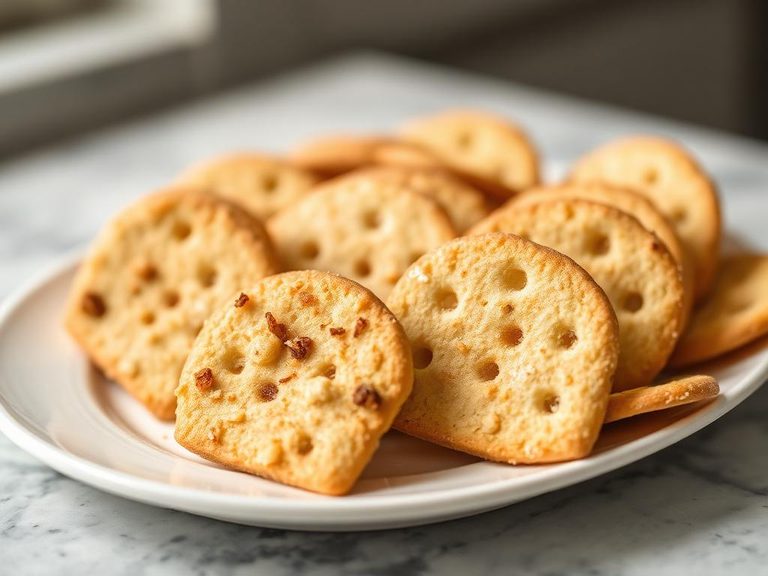
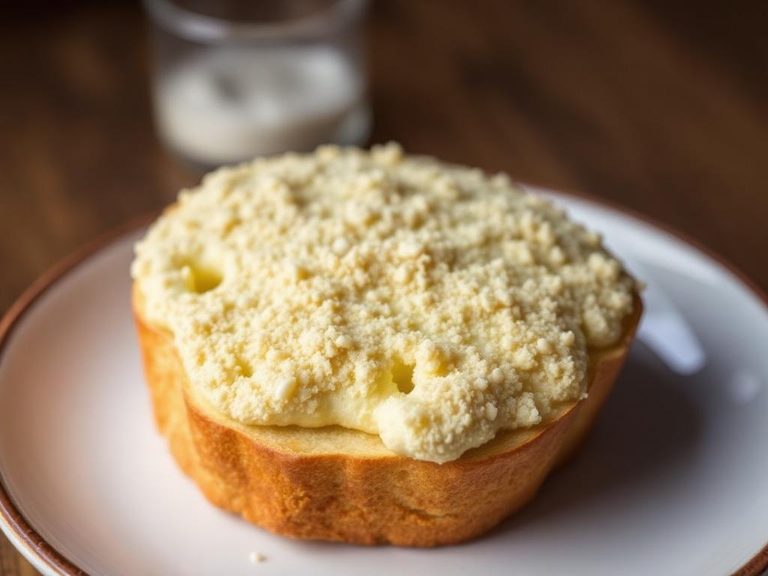
Bread and cracker coatings are a versatile culinary technique used to create a crispy, textured crust on foods like chicken, fish, or vegetables. Typically made from breadcrumbs, crushed crackers, or panko, they are often seasoned with herbs, spices, and cheese before being applied to a protein or vegetable base. This method is popular in home cooking and restaurant kitchens worldwide for adding crunch and flavor.
🍳 View the full Bread and Cracker Coatings recipe →
🍽️ Nutrition at a glance
Bread and cracker coatings are high in carbohydrates and can be moderate in fat depending on the cooking method, such as frying or baking. They provide some protein and fiber, especially if whole-grain breadcrumbs are used, with a rough calorie ballpark of 150-250 calories per serving, not including the coated food itself.
Nutrition breakdown
| Calories | 450 kcal |
| Protein | 12 g |
| Carbs | 65 g |
| Fat | 18 g |
| Fiber | 4 g |
| Sugar | 5 g |
| Sodium | 850 mg |
| Iron | 4 mg |
| Calcium | 120 mg |
| Potassium | 150 mg |
| Thiamin (B1) | 0.5 mg |
| Niacin (B3) | 4 mg |
| Folate | 80 mcg |
| Magnesium | 30 mg |
| Phosphorus | 100 mg |
Per 1 cup (120 g) · estimated, varies by recipe
💡 What's interesting
Culturally, bread and cracker coatings are a staple in many cuisines, from Italian schnitzel to Japanese panko-crusted dishes, showcasing their global appeal. Nutritionally, they can be a source of quick energy due to their carbohydrate content, but using whole-grain or alternative coatings like almond flour can enhance their nutritional profile.
🍽️ Related dishes




AI estimate may be inaccurate · Terms