Compound Chocolate Coatings
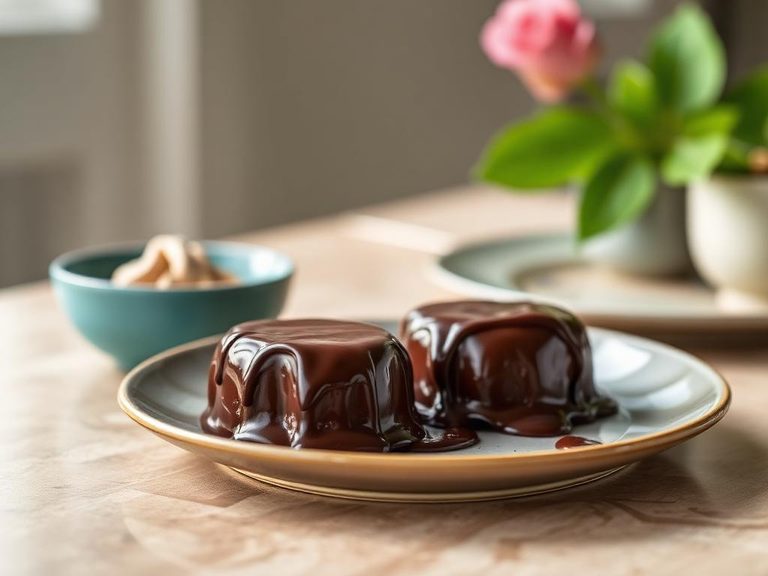
Compound chocolate coatings are versatile, ready-to-use confectionery products made from cocoa powder, vegetable fats (like palm or shea kernel oil), sugar, and emulsifiers. They are designed for easy melting and hardening, making them ideal for enrobing candies, dipping fruits, or creating decorative drizzles. These coatings are a staple in bakeries, candy shops, and home kitchens worldwide, originating from industrial food science to provide a stable, affordable alternative to pure chocolate.
🍽️ Nutrition at a glance
Compound chocolate coatings are primarily high in fat and carbohydrates, with minimal protein. A typical serving provides a quick energy boost from sugars and fats, along with small amounts of minerals like iron and magnesium from the cocoa components.
Nutrition breakdown
| Calories | 150 kcal |
| Protein | 1 g |
| Carbs | 18 g |
| Fat | 9 g |
| Fiber | 1 g |
| Sugar | 16 g |
| Sodium | 25 mg |
| Iron | 1.5 mg |
| Magnesium | 20 mg |
| Phosphorus | 30 mg |
| Potassium | 80 mg |
| Copper | 0.1 mg |
| Manganese | 0.2 mg |
| Zinc | 0.3 mg |
| Selenium | 1 mcg |
Per 1 oz (28 g) · estimated, varies by recipe
💡 What's interesting
Unlike pure chocolate, compound coatings use vegetable fats instead of cocoa butter, which means they don't require tempering and set firmly at room temperature. This makes them a favorite for DIY candy projects and professional confectioners alike, offering endless possibilities for coloring and flavoring.