Fried chicken coatings
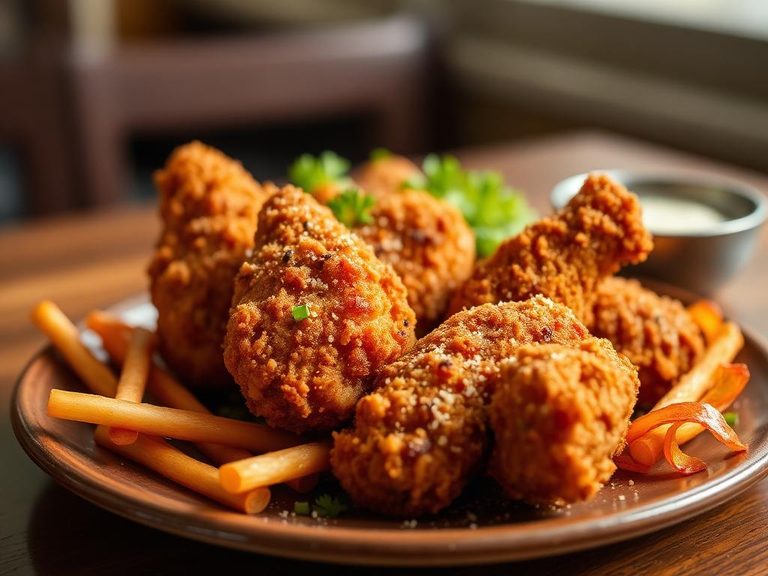
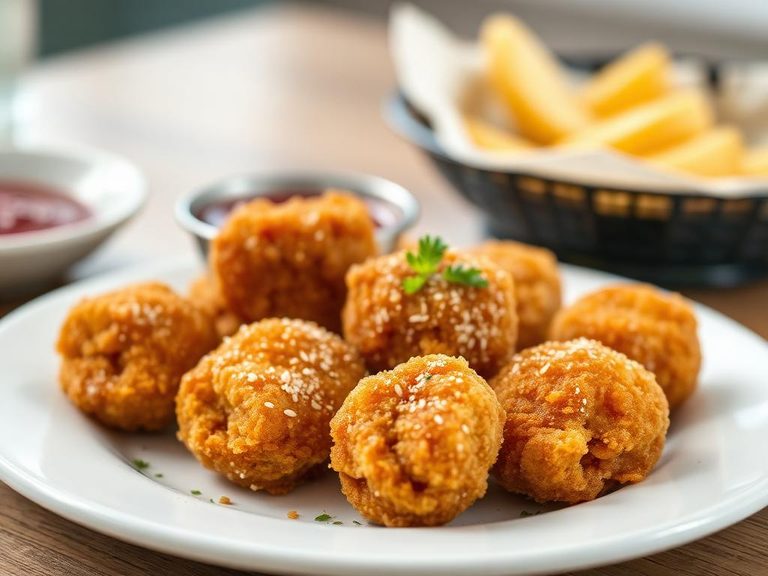
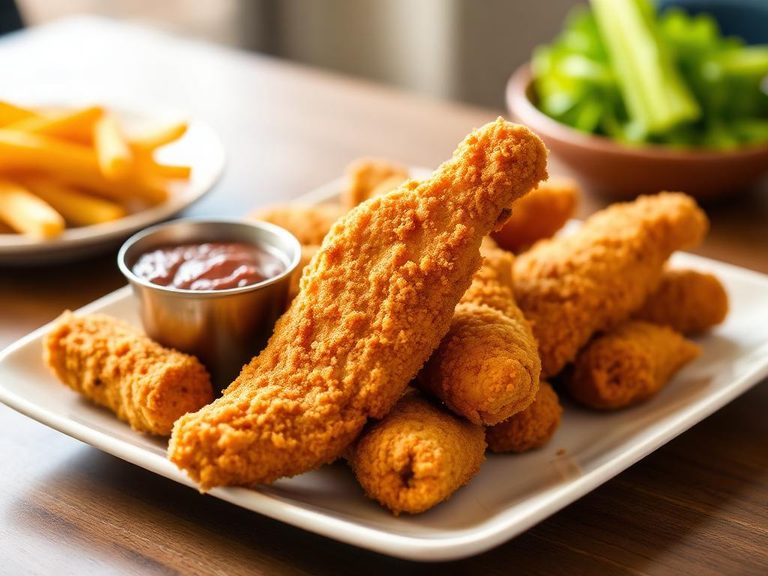
Fried chicken coatings are the seasoned, crispy outer layer applied to chicken before deep-frying, typically made from a blend of flour, spices, and sometimes a liquid binder like buttermilk or egg. This technique is a cornerstone of American Southern cuisine, though similar crispy coatings are found in various forms across the globe, from Japanese karaage to Korean fried chicken. The coating serves to seal in moisture, add flavor, and create the signature crunchy texture.
🍽️ Nutrition at a glance
Fried chicken coatings are high in carbohydrates from the flour and fat from the frying oil, with a moderate amount of protein from the chicken itself. A typical serving provides a good source of energy and some B vitamins, but is also calorie-dense, often ranging from 300 to 500 kcal per 100g of coated, fried chicken.
Nutrition breakdown
| Calories | 380 kcal |
| Protein | 22 g |
| Carbs | 20 g |
| Fat | 24 g |
| Fiber | 1 g |
| Sugar | 1 g |
| Sodium | 550 mg |
| Thiamin (B1) | 0.15 mg |
| Niacin (B3) | 5.5 mg |
| Vitamin B6 | 0.3 mg |
| Phosphorus | 180 mg |
| Selenium | 15 mcg |
| Iron | 1.2 mg |
| Zinc | 1.5 mg |
| Potassium | 220 mg |
Per 1 piece (120 g) · estimated, varies by recipe
💡 What's interesting
The 'double-dredge' method, where chicken is dipped in liquid and flour twice before frying, is a popular technique to achieve an extra-thick, craggy crust that maximizes crunch. Nutritionally, the coating acts as a barrier that can reduce moisture loss during cooking, helping to keep the meat inside juicy.