Frozen dessert coatings
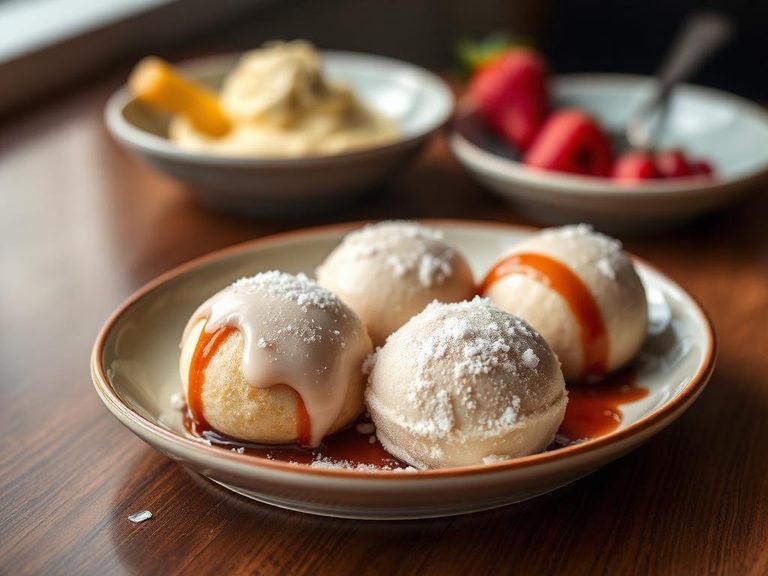
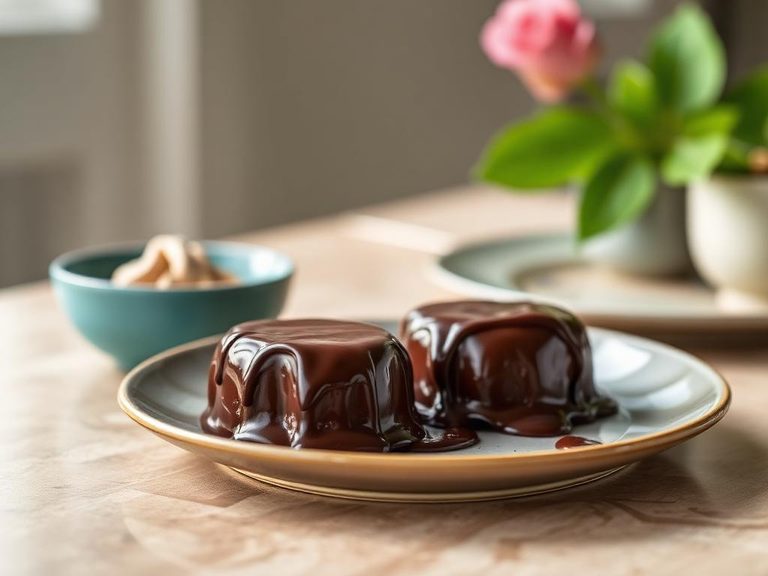
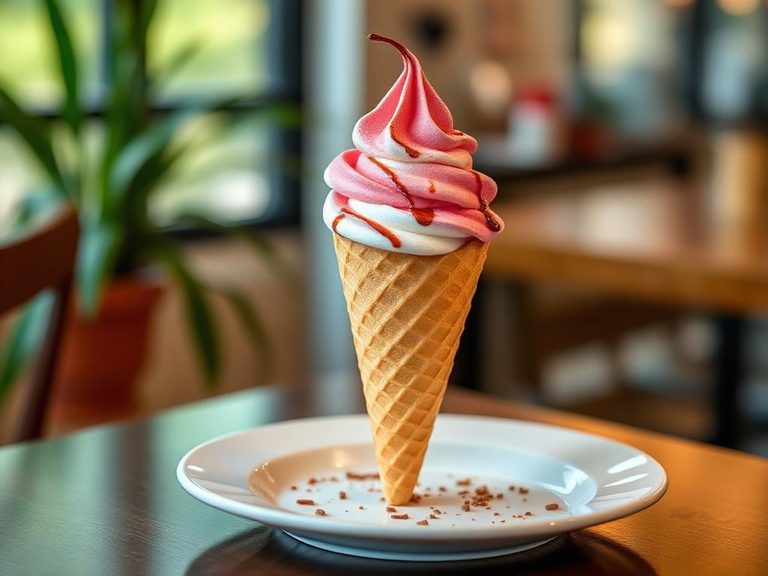
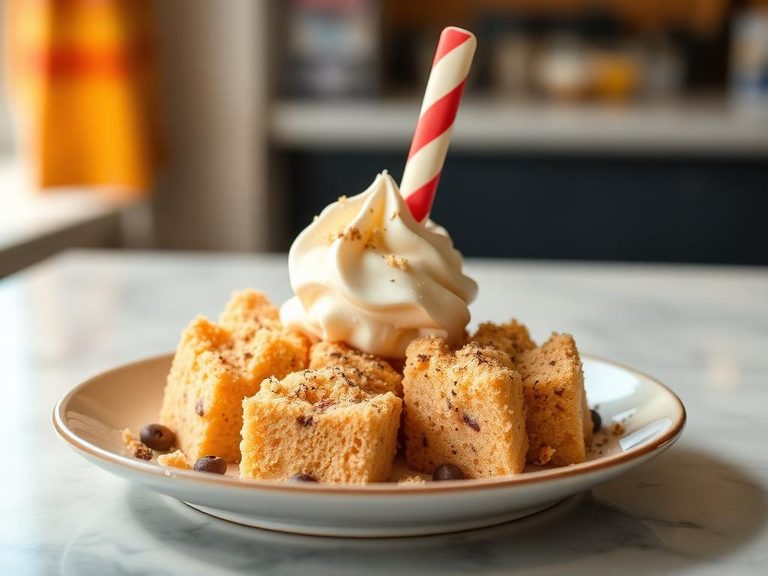
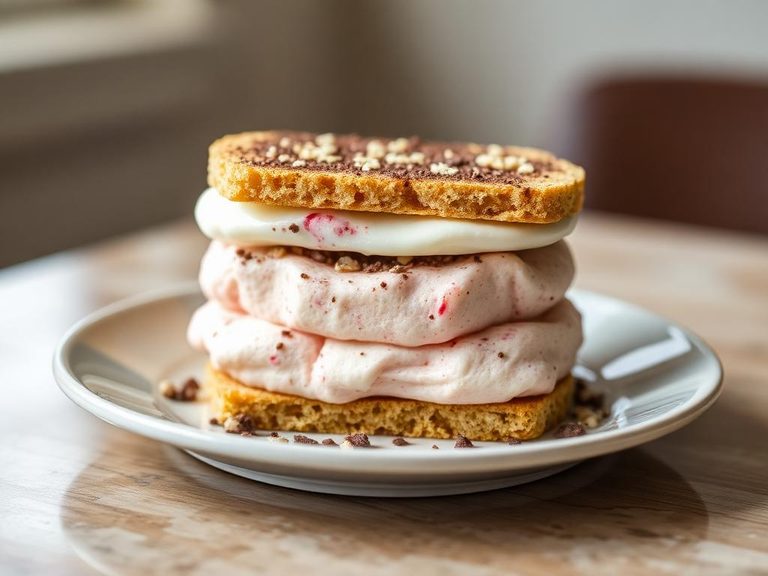
Frozen dessert coatings are the outer layers applied to ice cream bars, popsicles, and novelties to create a contrasting texture and flavor. They are typically made from a mixture of fats like palm kernel oil or coconut oil, sweeteners, cocoa powder, and emulsifiers to achieve a smooth, hard shell upon freezing. This category of food is a global phenomenon, popularized by commercial ice cream brands worldwide.
🍽️ Nutrition at a glance
Frozen dessert coatings are very high in fat and sugar, providing a dense source of energy with minimal protein or fiber. A typical serving can contribute a significant portion of daily saturated fat and added sugar intake, with a rough calorie range of 100-200 kcal per coating.
Nutrition breakdown
| Calories | 170 kcal |
| Protein | 1 g |
| Carbs | 18 g |
| Fat | 11 g |
| Fiber | 1 g |
| Sugar | 16 g |
| Sodium | 20 mg |
| Iron | 1.5 mg |
| Magnesium | 25 mg |
| Phosphorus | 40 mg |
| Potassium | 90 mg |
| Copper | 0.1 mg |
| Manganese | 0.2 mg |
Per 1 coating (30 g) · estimated, varies by recipe
💡 What's interesting
The magic of these coatings lies in their ability to harden instantly upon contact with the cold dessert, a property achieved through fats with a sharp melting point. This creates the satisfying 'snap' when bitten into, a sensory experience that is a hallmark of many classic ice cream treats.