

Popsicle
Common food
A popsicle is a frozen treat on a stick, typically made from flavored sugar water, fruit juice, or dairy. It delivers a cold, sweet, and often fruity burst of flavor with a texture that ranges from icy and crystalline to smooth and creamy. Nutritionally, it's a low-calorie, fat-free source of quick energy, primarily from simple sugars.
Calorie split: 0% protein · 97% carbs · 3% fat
↓ Full nutrition💚 Why it's loved
People love popsicles for their nostalgic, refreshing sweetness and the sheer variety of flavors, from classic fruit to modern creamy blends. They are a versatile, portable, and fun treat enjoyed across cultures, especially in warm weather.
⚠️ Watch-outs & how to enjoy it better
The high sugar content can lead to rapid blood-sugar spikes, offering little satiety. To counteract this, enjoy a popsicle as an occasional treat rather than a staple, and pair it with a source of protein or healthy fat (like a handful of nuts) to slow sugar absorption. Those monitoring sugar intake should look for low-sugar or fruit-juice-based options.
Key benefits
- Provides quick hydration and energy
- Low in fat and contains no cholesterol
- Can be a source of simple carbohydrates for immediate fuel
- Offers a refreshing way to cool down
- Often fortified with Vitamin C in fruit-flavored varieties
🍽️ Popular dishes
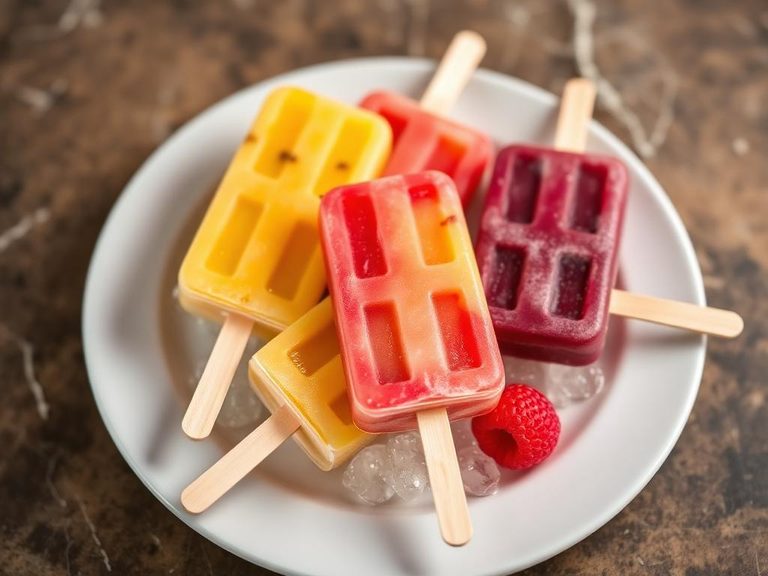
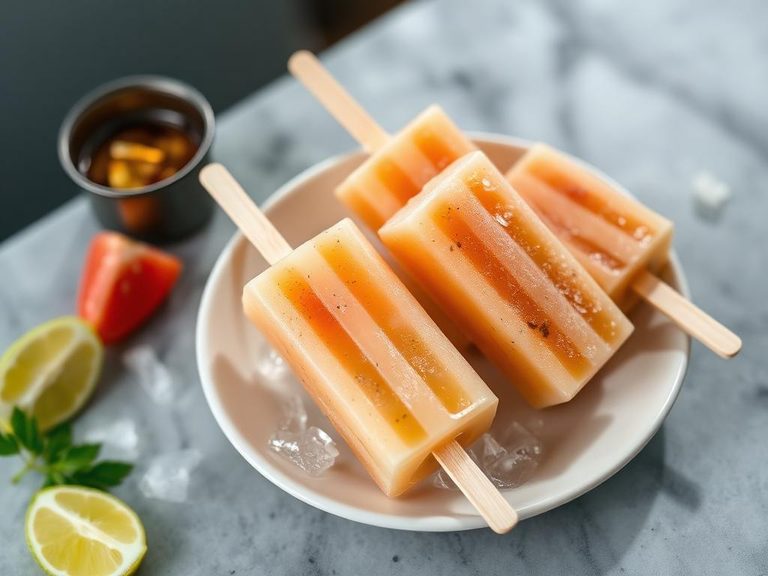
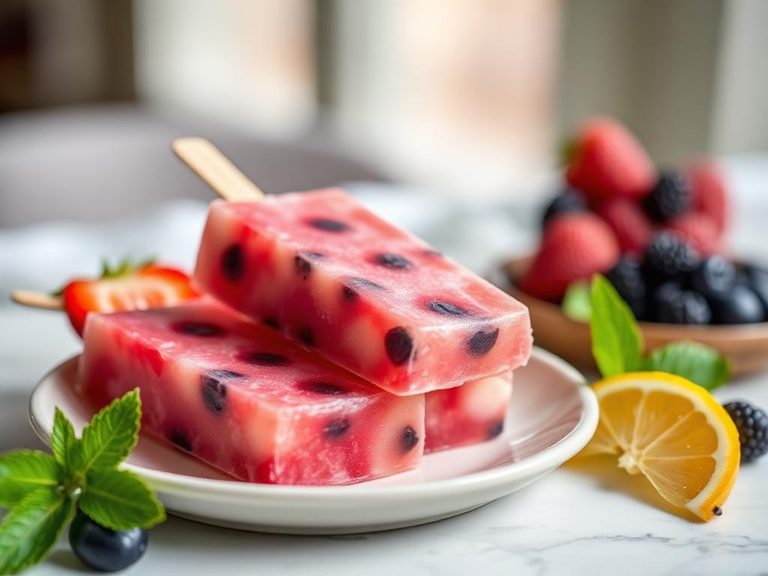
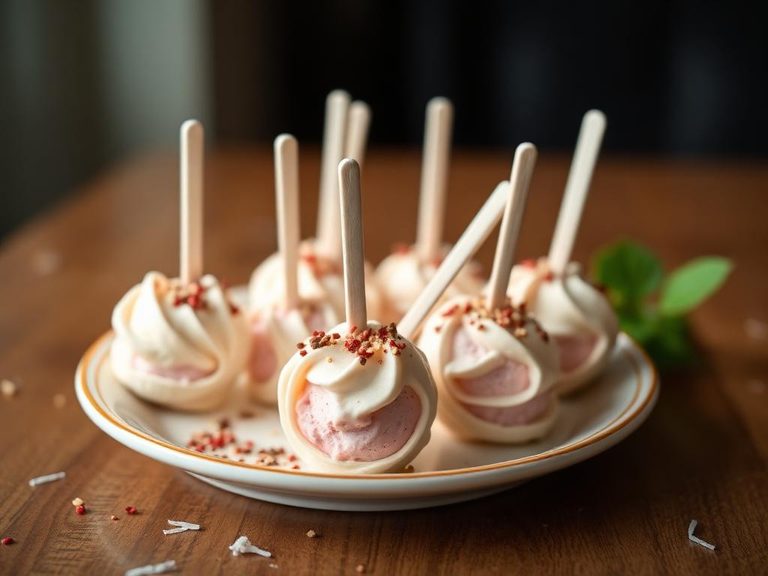
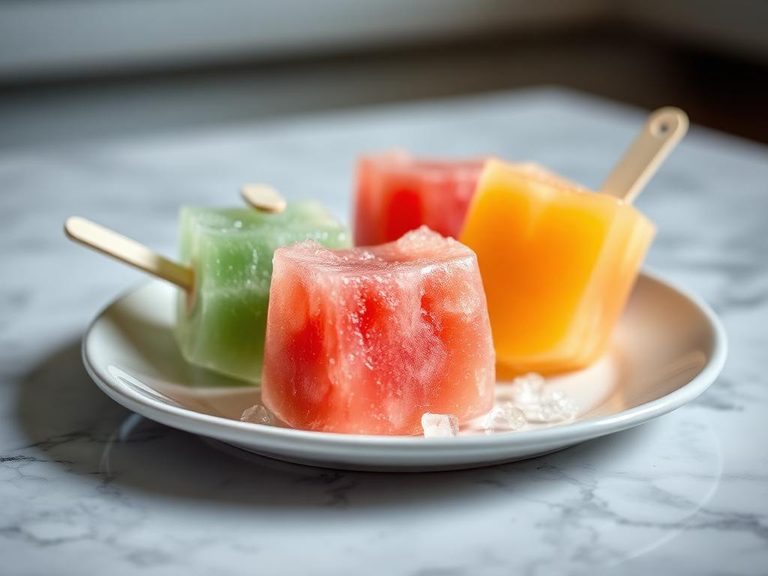
🌍 Where it's eaten
💡 Did you know?
The first known ice pops were created accidentally in 1905 by an 11-year-old boy named Frank Epperson, who left a mixture of powdered soda, water, and a stirring stick on his porch overnight in a freezing temperature.
Full nutrition (USDA data · scales with serving)
| Water | 80.5 g |
| Energy | 79.0 kcal |
| Protein | 0.00 g |
| Total lipid (fat) | 0.24 g |
| Carbohydrate, by difference | 19.2 g |
| Fiber, total dietary | 0.00 g |
| Total Sugars | 13.7 g |
| Calcium, Ca | 0.00 mg |
| Iron, Fe | 0.54 mg |
| Magnesium, Mg | 1.0 mg |
| Phosphorus, P | 0.00 mg |
| Potassium, K | 15.0 mg |
| Sodium, Na | 7.0 mg |
| Zinc, Zn | 0.15 mg |
| Copper, Cu | 0.00 mg |
| Selenium, Se | 0.20 ug |
| Vitamin C, total ascorbic acid | 0.70 mg |
| Thiamin | 0.00 mg |
| Riboflavin | 0.00 mg |
| Niacin | 0.00 mg |
| Vitamin B-6 | 0.00 mg |
| Folate, total | 0.00 ug |
| Folic acid | 0.00 ug |
| Folate, food | 0.00 ug |
| Folate, DFE | 0.00 ug |
| Choline, total | 0.00 mg |
| Vitamin B-12 | 0.00 ug |
| Vitamin B-12, added | 0.00 ug |
| Vitamin A, RAE | 0.00 ug |
| Retinol | 0.00 ug |
| Carotene, beta | 0.00 ug |
| Carotene, alpha | 0.00 ug |
| Cryptoxanthin, beta | 0.00 ug |
| Lycopene | 0.00 ug |
| Lutein + zeaxanthin | 0.00 ug |
| Vitamin E (alpha-tocopherol) | 0.00 mg |
| Vitamin E, added | 0.00 mg |
| Vitamin D (D2 + D3) | 0.00 ug |
| Vitamin K (phylloquinone) | 0.00 ug |
| Alcohol, ethyl | 0.00 g |
| Caffeine | 0.00 mg |
| Theobromine | 0.00 mg |
Fat & fatty acid profile (per 100g)
| Fatty acids, total saturated | 0.01 g |
| SFA 4:0 | 0.00 g |
| SFA 6:0 | 0.00 g |
| SFA 8:0 | 0.00 g |
| SFA 10:0 | 0.00 g |
| SFA 12:0 | 0.00 g |
| SFA 14:0 | 0.00 g |
| SFA 16:0 | 0.01 g |
| SFA 18:0 | 0.00 g |
| Fatty acids, total monounsaturated | 0.05 g |
| MUFA 16:1 | 0.00 g |
| MUFA 18:1 | 0.05 g |
| MUFA 20:1 | 0.00 g |
| MUFA 22:1 | 0.00 g |
| Fatty acids, total polyunsaturated | 0.02 g |
| PUFA 18:2 | 0.01 g |
| PUFA 18:3 | 0.00 g |
| PUFA 18:4 | 0.00 g |
| PUFA 20:4 | 0.00 g |
| PUFA 20:5 n-3 (EPA) | 0.00 g |
| PUFA 22:5 n-3 (DPA) | 0.00 g |
| PUFA 22:6 n-3 (DHA) | 0.00 g |
| Cholesterol | 0.00 mg |
FAQ
Are popsicles a good source of vitamins?
Some fruit-flavored popsicles made with real fruit juice may contain small amounts of vitamins like Vitamin C, but they are not a significant or reliable source of essential nutrients.
Can popsicles be part of a healthy diet?
Yes, in moderation. They can satisfy a sweet craving for fewer calories than many desserts. Choosing options with less added sugar or made from 100% fruit juice can make them a slightly better choice.
Why do some popsicles have a gritty texture?
A gritty or icy texture often results from the formation of large ice crystals during freezing, which can be influenced by the sugar content and freezing process. Higher sugar content generally leads to a smoother texture.
Nutrient density (calculated · NRF9.3)
Nutrient Rich Foods index: beneficial nutrients (protein, fiber, vitamins, minerals) minus saturated fat, added sugar & sodium, per 100 kcal.
NRF9.3 index — Fulgoni, Keast & Drewnowski, 2009. Computed from USDA nutrients.
Weight-loss friendliness (composite index)
Energy density 0.79 kcal/g · 0% calories from protein · 0.0 g fiber · 13.7 g sugar per 100 g.
Composite of energy density (Rolls et al., 1999), protein & fiber satiety, minus sugar. A calculated heuristic — ranks satiety-per-calorie, not a clinical measure.
Dietary load (calculated from USDA values)
Potential renal acid load. Positive = acid-forming, negative = alkaline-forming.
Sodium-to-potassium ratio: 0.47 (lower is better — aim for ≤ 1)
Sodium:potassium per WHO potassium guidance. Computed from USDA nutrients.