

Frozen novelties, ice type, sugar free, orange, cherry, and grape POPSICLE pops
Whole food · Sweets
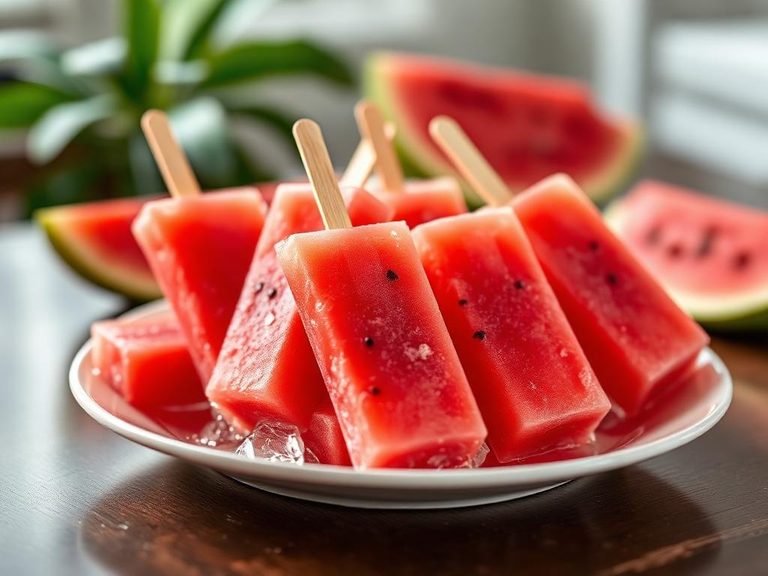
These are classic, brightly colored ice pops made from fruit-flavored water, frozen into a solid block on a stick. They offer a crisp, refreshing, and intensely sweet taste with a smooth, melt-on-the-tongue texture that is pure, simple hydration. Nutritionally, they are a very low-calorie treat at just 21 kcal per 100g, with minimal sugar and no fat or protein.
Calorie split: 0% protein · 100% carbs · 0% fat
↓ Full nutrition💚 Why it's loved
People love them for their uncomplicated, bold fruit flavors—like a burst of orange, cherry, or grape—that instantly evoke summer and childhood. They are a universally accessible, mess-free way to cool down and satisfy a sweet craving without the richness of dairy-based ice cream.
⚠️ Watch-outs & how to enjoy it better
The primary downside is the high sugar content relative to the lack of nutrients, which can cause a rapid blood-sugar spike, especially for those with insulin sensitivity. To counteract this, enjoy one pop as a planned treat rather than a thirst quencher, and pair it with a source of protein or fiber (like a handful of nuts or a piece of cheese) to slow sugar absorption.
Key benefits
- Extremely low in calories (21 kcal/100g)
- Fat-free and cholesterol-free
- Provides quick hydration
- Simple, familiar nostalgic flavor
- No artificial colors (in some brands)
🍽️ Popular dishes
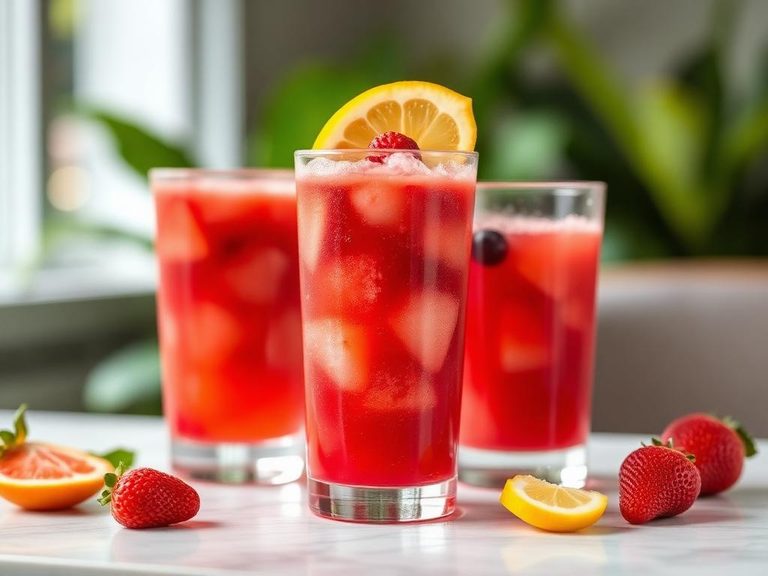
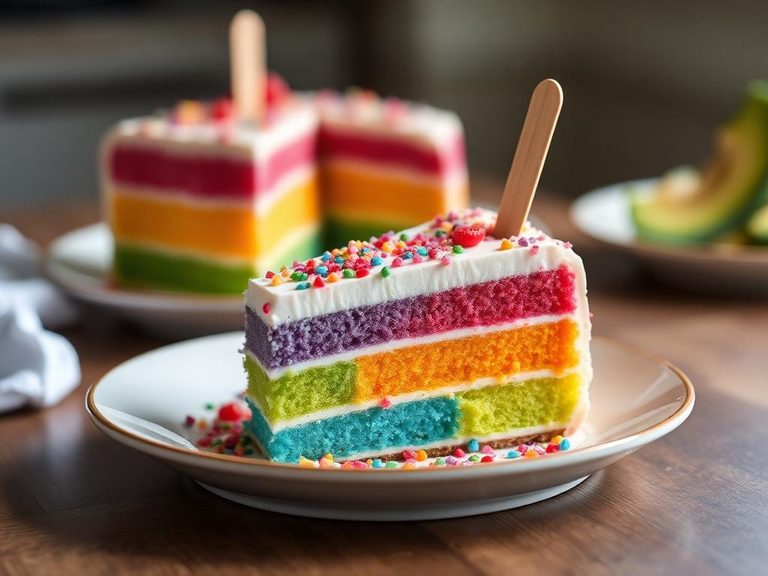
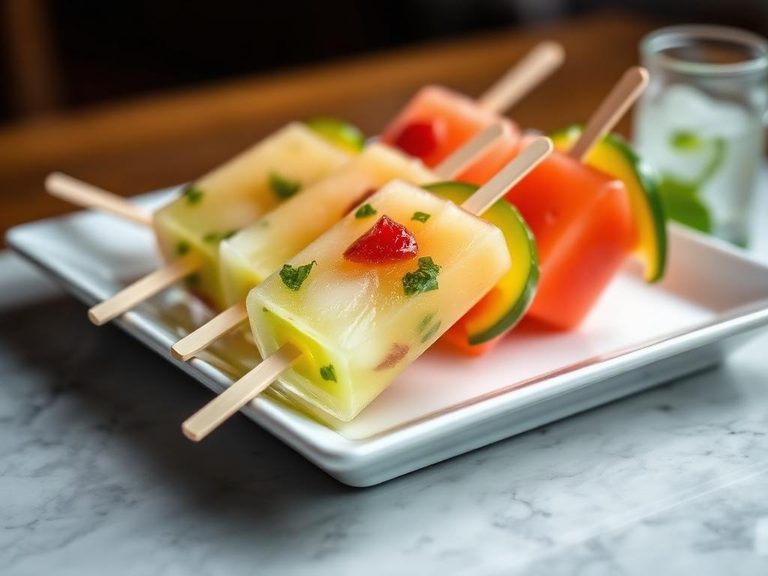
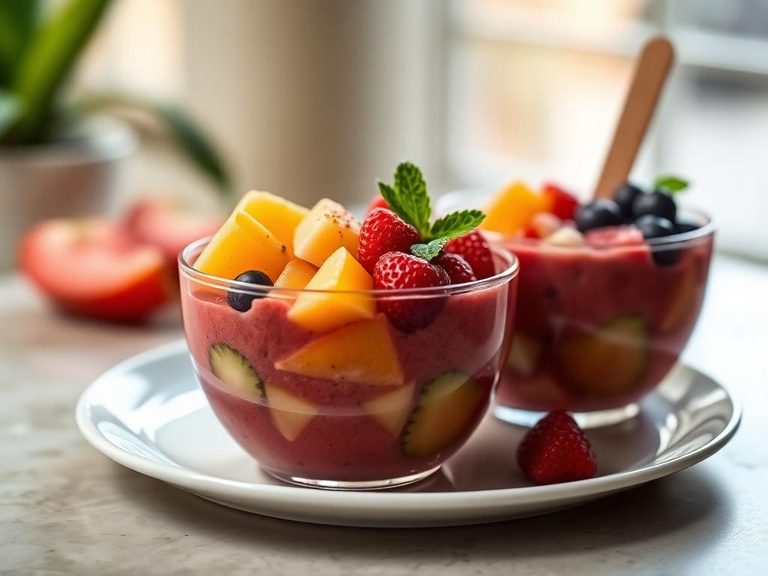
🌍 Where it's eaten
💡 Did you know?
The original 'Popsicle' was accidentally invented in 1905 by 11-year-old Frank Epperson, who left a mixture of powdered soda, water, and a stirring stick on his San Francisco porch overnight, where it froze solid.
Full nutrition (USDA data · scales with serving)
| Water | 94.0 g |
| Energy | 21.0 kcal |
| Energy | 86.0 kj |
| Protein | 0.00 g |
| Total lipid (fat) | 0.00 g |
| Ash | 0.06 g |
| Carbohydrate, by difference | 5.1 g |
| Fiber, total dietary | 0.00 g |
| Total Sugars | 1.5 g |
| Sucrose | 0.70 g |
| Glucose | 0.47 g |
| Fructose | 0.34 g |
| Lactose | 0.00 g |
| Maltose | 0.00 g |
| Calcium, Ca | 0.00 mg |
| Iron, Fe | 0.67 mg |
| Magnesium, Mg | 1.0 mg |
| Phosphorus, P | 0.00 mg |
| Potassium, K | 11.0 mg |
| Sodium, Na | 10.0 mg |
| Zinc, Zn | 0.47 mg |
| Copper, Cu | 0.00 mg |
| Manganese, Mn | 0.00 mg |
| Fluoride, F | 88.9 ug |
| Vitamin C, total ascorbic acid | 10.4 mg |
| Vitamin A, IU | 0.00 iu |
Fat & fatty acid profile (per 100g)
| Fatty acids, total saturated | 0.00 g |
| Cholesterol | 0.00 mg |
FAQ
Are sugar-free popsicles healthier than regular ones?
Sugar-free versions eliminate the sugar and calories but often contain artificial sweeteners (like aspartame or sucralose). While they avoid the blood-sugar spike, some people prefer to avoid artificial ingredients. The healthiest choice is often a fruit-sweetened homemade pop.
Can I make these at home with real fruit?
Absolutely! Blend your favorite fruits (like strawberries, mango, or berries) with a small amount of juice or water, pour into molds, and freeze. This gives you control over sugar content and adds natural fiber and vitamins.
Why do my homemade pops sometimes have ice crystals?
Ice crystals form when water separates from the fruit pulp during freezing. To prevent this, use a high-speed blender for a smoother puree, add a tablespoon of corn syrup or a little alcohol (like vodka) to the mix, or stir the mixture once it's partially frozen to break up crystals.
Are the artificial colors in some popsicles harmful?
Major food safety authorities like the FDA and EFSA have approved the artificial colors used in foods, deeming them safe for consumption at typical levels. However, some individuals, particularly children, may be sensitive to certain dyes. Choosing brands that use natural colors (from fruit or vegetable juices) is an easy alternative.
Nutrient density (calculated · NRF9.3)
Nutrient Rich Foods index: beneficial nutrients (protein, fiber, vitamins, minerals) minus saturated fat, added sugar & sodium, per 100 kcal.
NRF9.3 index — Fulgoni, Keast & Drewnowski, 2009. Computed from USDA nutrients.
Weight-loss friendliness (composite index)
Energy density 0.21 kcal/g · 0% calories from protein · 0.0 g fiber · 1.5 g sugar per 100 g.
Composite of energy density (Rolls et al., 1999), protein & fiber satiety, minus sugar. A calculated heuristic — ranks satiety-per-calorie, not a clinical measure.
Dietary load (calculated from USDA values)
Potential renal acid load. Positive = acid-forming, negative = alkaline-forming.
Sodium-to-potassium ratio: 0.91 (lower is better — aim for ≤ 1)
Sodium:potassium per WHO potassium guidance. Computed from USDA nutrients.