

Popsicle, NFS
Common food
A Popsicle, NFS (Not Further Specified) is a frozen, water-based treat on a stick, known for its icy, crystalline texture that melts quickly on the tongue. It delivers a burst of simple, sugary sweetness, often in fruit-inspired flavors like cherry, grape, or orange. Nutritionally, it's almost entirely carbohydrate from sugar, providing a quick source of energy with negligible fat or protein.
Calorie split: 0% protein · 97% carbs · 3% fat
↓ Full nutrition💚 Why it's loved
People love popsicles for their refreshing, cooling sensation on a hot day and the pure, uncomplicated burst of sweet flavor. Their iconic stick format makes them a fun, mess-free, and portable treat enjoyed by both children and adults.
⚠️ Watch-outs & how to enjoy it better
The primary downside is the high sugar content (over 13g per 100g) with no fiber or protein to slow absorption, which can lead to rapid blood sugar spikes and subsequent crashes. To counteract this, enjoy one as part of a balanced snack alongside a source of protein or healthy fat, like a handful of nuts or a cheese stick, and practice portion control.
Key benefits
- Provides quick hydration and a fast energy boost from simple sugars.
- Extremely low in fat and contains no cholesterol.
- Offers a simple, portion-controlled sweet treat for calorie awareness.
- A nostalgic, classic snack that's universally recognizable.
🍽️ Popular dishes
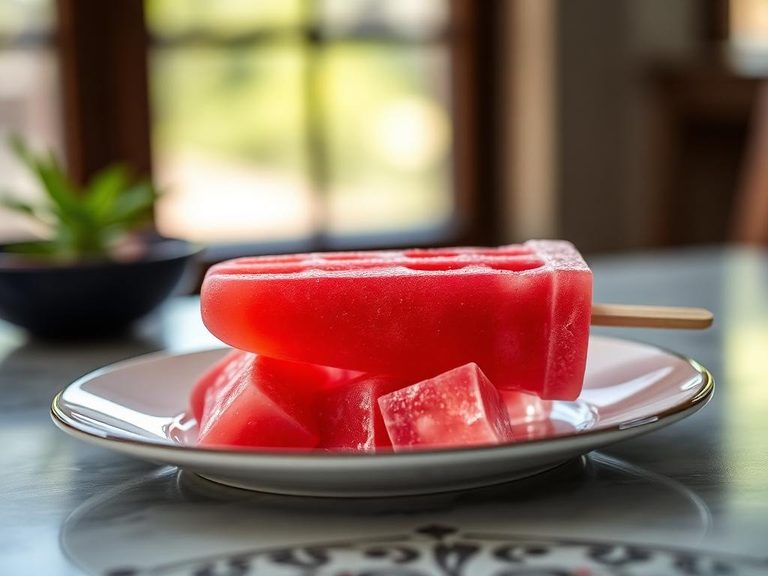
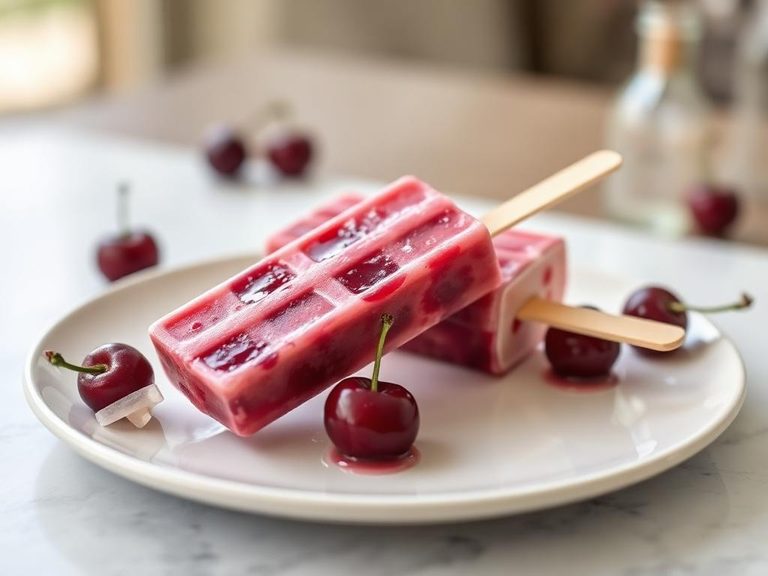
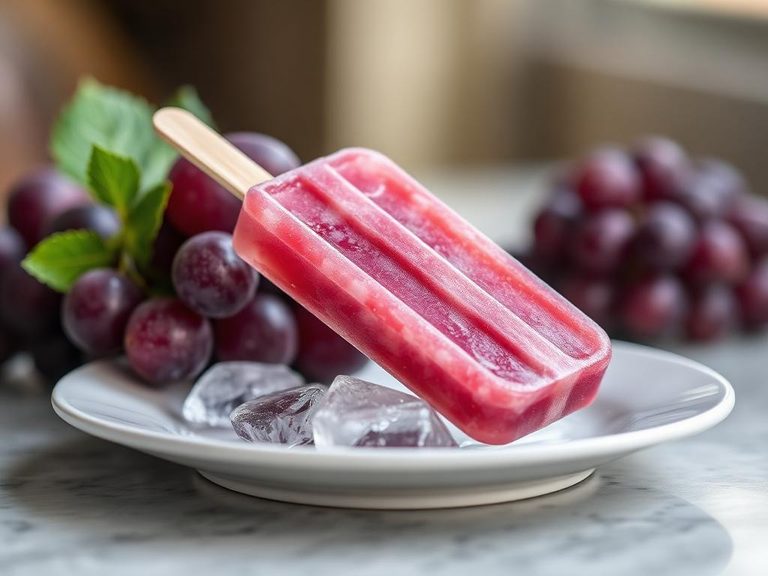
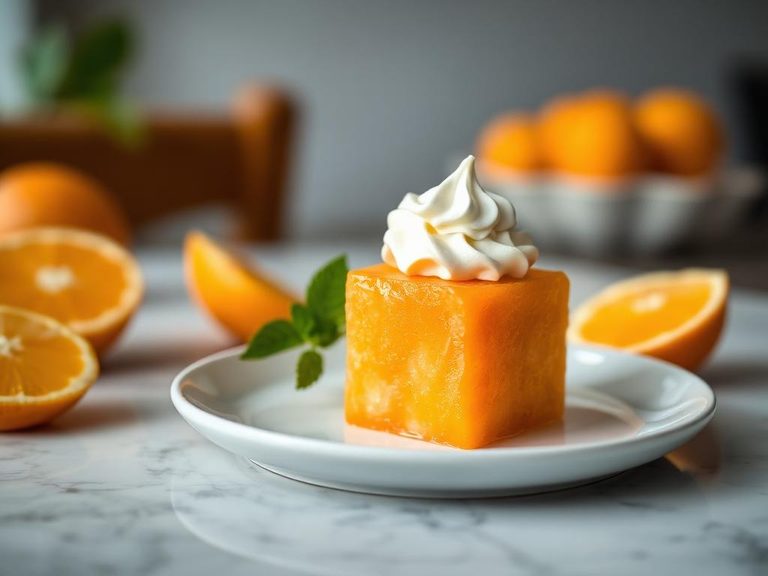
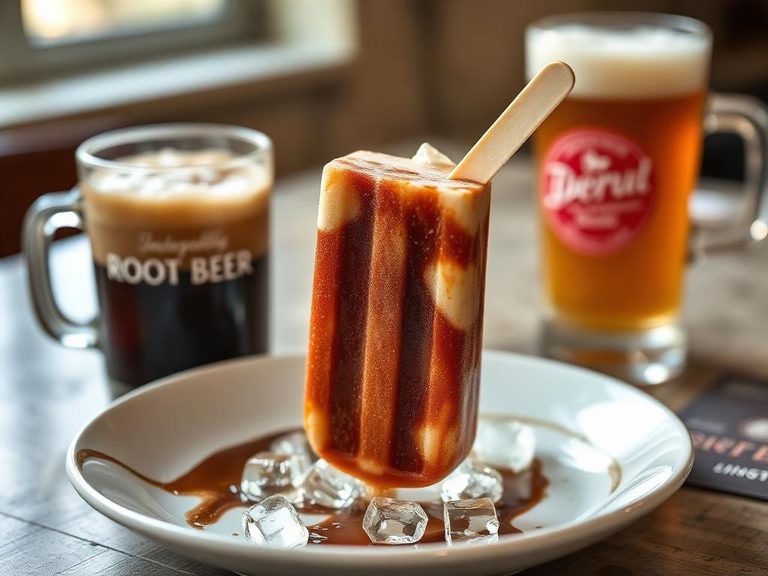
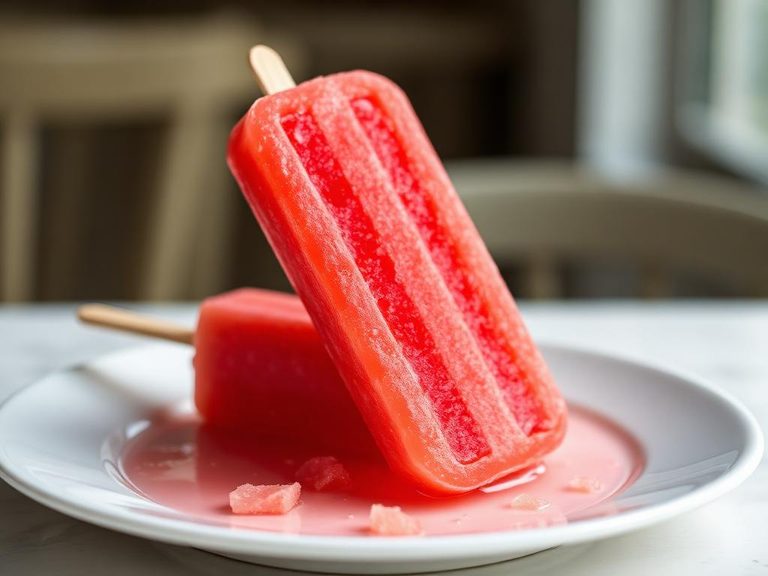
🌍 Where it's eaten
💡 Did you know?
The first known popsicle was invented in 1905 by an 11-year-old boy named Frank Epperson, who left a mixture of powdered soda, water, and a stirring stick on his porch overnight. He originally called them 'Eppsicles' before his children later dubbed them 'Pop's 'sicles.'
Full nutrition (USDA data · scales with serving)
| Water | 80.5 g |
| Energy | 79.0 kcal |
| Protein | 0.00 g |
| Total lipid (fat) | 0.24 g |
| Carbohydrate, by difference | 19.2 g |
| Fiber, total dietary | 0.00 g |
| Total Sugars | 13.7 g |
| Calcium, Ca | 0.00 mg |
| Iron, Fe | 0.54 mg |
| Magnesium, Mg | 1.0 mg |
| Phosphorus, P | 0.00 mg |
| Potassium, K | 15.0 mg |
| Sodium, Na | 7.0 mg |
| Zinc, Zn | 0.15 mg |
| Copper, Cu | 0.00 mg |
| Selenium, Se | 0.20 ug |
| Vitamin C, total ascorbic acid | 0.70 mg |
| Thiamin | 0.00 mg |
| Riboflavin | 0.00 mg |
| Niacin | 0.00 mg |
| Vitamin B-6 | 0.00 mg |
| Folate, total | 0.00 ug |
| Folic acid | 0.00 ug |
| Folate, food | 0.00 ug |
| Folate, DFE | 0.00 ug |
| Choline, total | 0.00 mg |
| Vitamin B-12 | 0.00 ug |
| Vitamin B-12, added | 0.00 ug |
| Vitamin A, RAE | 0.00 ug |
| Retinol | 0.00 ug |
| Carotene, beta | 0.00 ug |
| Carotene, alpha | 0.00 ug |
| Cryptoxanthin, beta | 0.00 ug |
| Lycopene | 0.00 ug |
| Lutein + zeaxanthin | 0.00 ug |
| Vitamin E (alpha-tocopherol) | 0.00 mg |
| Vitamin E, added | 0.00 mg |
| Vitamin D (D2 + D3) | 0.00 ug |
| Vitamin K (phylloquinone) | 0.00 ug |
| Alcohol, ethyl | 0.00 g |
| Caffeine | 0.00 mg |
| Theobromine | 0.00 mg |
Fat & fatty acid profile (per 100g)
| Fatty acids, total saturated | 0.01 g |
| SFA 4:0 | 0.00 g |
| SFA 6:0 | 0.00 g |
| SFA 8:0 | 0.00 g |
| SFA 10:0 | 0.00 g |
| SFA 12:0 | 0.00 g |
| SFA 14:0 | 0.00 g |
| SFA 16:0 | 0.01 g |
| SFA 18:0 | 0.00 g |
| Fatty acids, total monounsaturated | 0.05 g |
| MUFA 16:1 | 0.00 g |
| MUFA 18:1 | 0.05 g |
| MUFA 20:1 | 0.00 g |
| MUFA 22:1 | 0.00 g |
| Fatty acids, total polyunsaturated | 0.02 g |
| PUFA 18:2 | 0.01 g |
| PUFA 18:3 | 0.00 g |
| PUFA 18:4 | 0.00 g |
| PUFA 20:4 | 0.00 g |
| PUFA 20:5 n-3 (EPA) | 0.00 g |
| PUFA 22:5 n-3 (DPA) | 0.00 g |
| PUFA 22:6 n-3 (DHA) | 0.00 g |
| Cholesterol | 0.00 mg |
FAQ
Is a popsicle the same as ice cream?
No. A standard popsicle is water-based and contains no dairy, while ice cream is a dairy-based product containing milk, cream, and often eggs, resulting in a creamy, fatty texture.
Can popsicles be part of a healthy diet?
In moderation, yes. They are a low-fat treat, but due to their high sugar content, they are best viewed as an occasional dessert rather than a nutritious snack. Pairing them with protein can help balance blood sugar.
What does 'NFS' mean on a food label?
NFS stands for 'Not Further Specified.' It indicates that the nutrient data is for a generic version of the food (like a basic fruit-flavored popsicle) without specifying a particular brand or recipe.
Nutrient density (calculated · NRF9.3)
Nutrient Rich Foods index: beneficial nutrients (protein, fiber, vitamins, minerals) minus saturated fat, added sugar & sodium, per 100 kcal.
NRF9.3 index — Fulgoni, Keast & Drewnowski, 2009. Computed from USDA nutrients.
Weight-loss friendliness (composite index)
Energy density 0.79 kcal/g · 0% calories from protein · 0.0 g fiber · 13.7 g sugar per 100 g.
Composite of energy density (Rolls et al., 1999), protein & fiber satiety, minus sugar. A calculated heuristic — ranks satiety-per-calorie, not a clinical measure.
Dietary load (calculated from USDA values)
Potential renal acid load. Positive = acid-forming, negative = alkaline-forming.
Sodium-to-potassium ratio: 0.47 (lower is better — aim for ≤ 1)
Sodium:potassium per WHO potassium guidance. Computed from USDA nutrients.