

Cocoa powder, not reconstituted
Common food

Photo: Wikipedia
Cocoa powder is the finely ground, non-reconstituted solids left after cocoa butter is extracted from roasted cacao beans. It has a deep, reddish-brown color, a dry, fine texture, and a profoundly bitter, earthy, and intensely chocolatey flavor. Nutritionally, it's a powerhouse of plant-based protein and an exceptional source of dietary fiber.
Calorie split: 18% protein · 53% carbs · 28% fat
↓ Full nutrition💚 Why it's loved
People love it for delivering the pure, unadulterated essence of chocolate—its deep, complex bitterness is the foundation for countless desserts and beverages. It's incredibly versatile, used in everything from hot cocoa and brownies to dry rubs for meat.
⚠️ Watch-outs & how to enjoy it better
Its intense bitterness and astringency can be overwhelming on its own, and some may experience digestive discomfort due to the very high fiber content. For those sensitive to stimulants, its caffeine and theobromine content can cause jitters or disrupt sleep if consumed late in the day.
Key benefits
- Exceptionally high in dietary fiber (37g per 100g)
- Good source of plant-based protein (19.6g per 100g)
- Rich in minerals like iron, magnesium, and potassium
- Contains potent antioxidants like flavanols
- Low in sugar (only 1.75g per 100g)
🍽️ Popular dishes


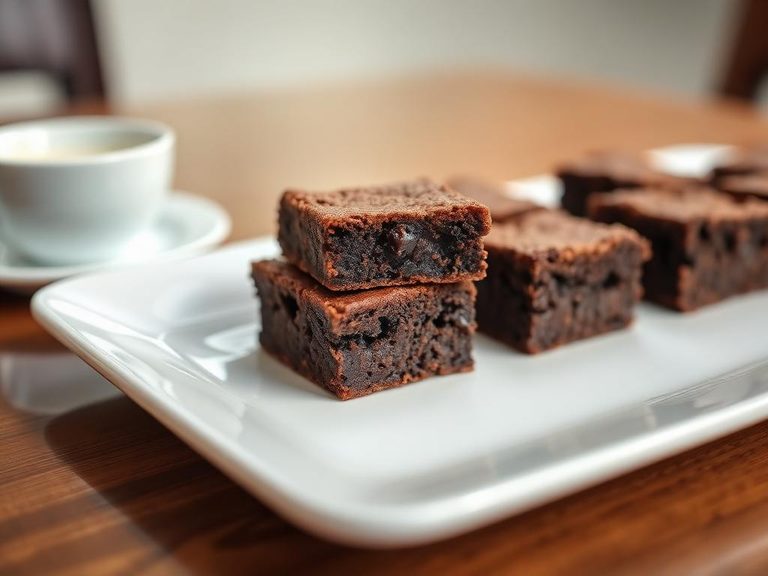
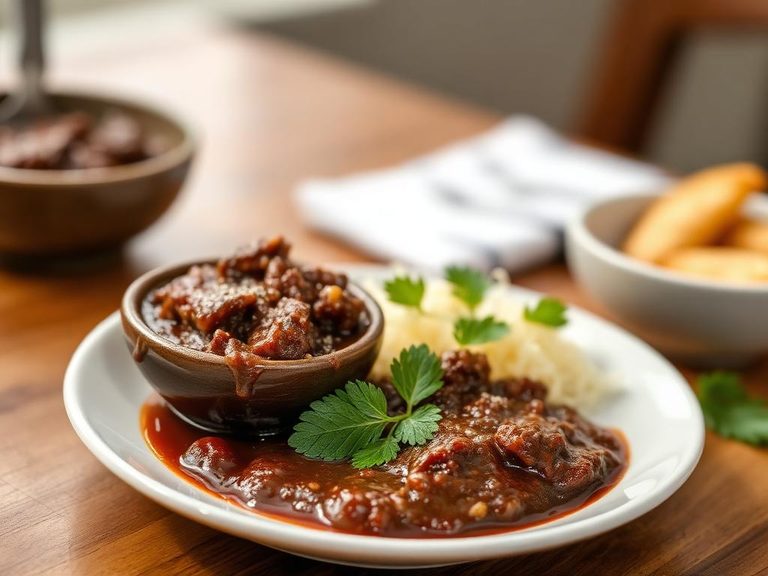


🌍 Where it's eaten
💡 Did you know?
Unsweetened cocoa powder is a key ingredient in the traditional Mexican spice blend 'mole,' where it adds depth and earthiness to savory sauces containing chilies and meat.
Full nutrition (USDA data · scales with serving)
| Water | 3.0 g |
| Energy | 228 kcal |
| Protein | 19.6 g |
| Total lipid (fat) | 13.7 g |
| Carbohydrate, by difference | 57.9 g |
| Fiber, total dietary | 37.0 g |
| Total Sugars | 1.8 g |
| Calcium, Ca | 128 mg |
| Iron, Fe | 13.9 mg |
| Magnesium, Mg | 499 mg |
| Phosphorus, P | 734 mg |
| Potassium, K | 1524 mg |
| Sodium, Na | 21.0 mg |
| Zinc, Zn | 6.8 mg |
| Copper, Cu | 3.8 mg |
| Selenium, Se | 14.3 ug |
| Vitamin C, total ascorbic acid | 0.00 mg |
| Thiamin | 0.08 mg |
| Riboflavin | 0.24 mg |
| Niacin | 2.2 mg |
| Vitamin B-6 | 0.12 mg |
| Folate, total | 32.0 ug |
| Folic acid | 0.00 ug |
| Folate, food | 32.0 ug |
| Folate, DFE | 32.0 ug |
| Choline, total | 12.0 mg |
| Vitamin B-12 | 0.00 ug |
| Vitamin B-12, added | 0.00 ug |
| Vitamin A, RAE | 0.00 ug |
| Retinol | 0.00 ug |
| Carotene, beta | 0.00 ug |
| Carotene, alpha | 0.00 ug |
| Cryptoxanthin, beta | 0.00 ug |
| Lycopene | 0.00 ug |
| Lutein + zeaxanthin | 38.0 ug |
| Vitamin E (alpha-tocopherol) | 0.10 mg |
| Vitamin E, added | 0.00 mg |
| Vitamin D (D2 + D3) | 0.00 ug |
| Vitamin K (phylloquinone) | 2.5 ug |
| Alcohol, ethyl | 0.00 g |
| Caffeine | 230 mg |
| Theobromine | 2057 mg |
Fat & fatty acid profile (per 100g)
| Fatty acids, total saturated | 8.1 g |
| SFA 4:0 | 0.00 g |
| SFA 6:0 | 0.00 g |
| SFA 8:0 | 0.00 g |
| SFA 10:0 | 0.00 g |
| SFA 12:0 | 0.00 g |
| SFA 14:0 | 0.02 g |
| SFA 16:0 | 3.7 g |
| SFA 18:0 | 4.3 g |
| Fatty acids, total monounsaturated | 4.6 g |
| MUFA 16:1 | 0.00 g |
| MUFA 18:1 | 4.6 g |
| MUFA 20:1 | 0.00 g |
| MUFA 22:1 | 0.00 g |
| Fatty acids, total polyunsaturated | 0.44 g |
| PUFA 18:2 | 0.44 g |
| PUFA 18:3 | 0.00 g |
| PUFA 18:4 | 0.00 g |
| PUFA 20:4 | 0.00 g |
| PUFA 20:5 n-3 (EPA) | 0.00 g |
| PUFA 22:5 n-3 (DPA) | 0.00 g |
| PUFA 22:6 n-3 (DHA) | 0.00 g |
| Cholesterol | 0.00 mg |
Amino acid profile (per 100g)
Estimated from Cocoa, dry powder, unsweetened — USDA does not publish this profile for Cocoa powder.
| Tryptophan | 0.29 g |
| Threonine | 0.78 g |
| Isoleucine | 0.76 g |
| Leucine | 1.2 g |
| Lysine | 0.98 g |
| Methionine | 0.20 g |
| Cystine | 0.24 g |
| Phenylalanine | 0.94 g |
| Tyrosine | 0.73 g |
| Valine | 1.2 g |
| Arginine | 1.1 g |
| Histidine | 0.34 g |
| Alanine | 0.90 g |
| Aspartic acid | 2.0 g |
| Glutamic acid | 2.9 g |
| Glycine | 0.88 g |
| Proline | 0.84 g |
| Serine | 0.85 g |
FAQ
What's the difference between natural and Dutch-process cocoa powder?
Natural cocoa powder is acidic and has a lighter color and sharper, more fruity flavor. Dutch-process cocoa is treated with an alkali to neutralize its acidity, resulting in a darker color, milder taste, and higher solubility in liquids.
Can I use cocoa powder as a substitute for melted chocolate?
Not directly. Cocoa powder lacks cocoa butter, so you'll need to add a fat (like butter or oil) to replicate the texture and mouthfeel of melted chocolate in recipes.
Why is cocoa powder so high in fiber?
The fiber comes from the fibrous husks and cell walls of the cacao bean itself, which remain after the fatty cocoa butter is pressed out during processing.
Nutrient density (calculated · NRF9.3)
Nutrient Rich Foods index: beneficial nutrients (protein, fiber, vitamins, minerals) minus saturated fat, added sugar & sodium, per 100 kcal.
NRF9.3 index — Fulgoni, Keast & Drewnowski, 2009. Computed from USDA nutrients.
Weight-loss friendliness (composite index)
Energy density 2.28 kcal/g · 34% calories from protein · 37.0 g fiber · 1.8 g sugar per 100 g.
Composite of energy density (Rolls et al., 1999), protein & fiber satiety, minus sugar. A calculated heuristic — ranks satiety-per-calorie, not a clinical measure.
Dietary load (calculated from USDA values)
Potential renal acid load. Positive = acid-forming, negative = alkaline-forming.
Sodium-to-potassium ratio: 0.01 (lower is better — aim for ≤ 1)
Sodium:potassium per WHO potassium guidance. Computed from USDA nutrients.