

Cocoa, dry powder, unsweetened, HERSHEY'S European Style Cocoa
Whole food · Sweets

Photo: Wikipedia
This is a deeply pigmented, ultra-fine powder made from roasted cacao beans, offering a robust, bitter chocolate flavor with subtle earthy and fruity undertones. It provides a significant protein boost (20g per 100g) and is exceptionally high in fiber (20g per 100g), making it a nutrient-dense ingredient for baking and beverages. Its European-style processing often yields a smoother, less acidic profile compared to standard Dutch-processed cocoas.
Calorie split: 20% protein · 59% carbs · 22% fat
↓ Full nutrition💚 Why it's loved
People love it for its intense, unadulterated chocolate flavor that elevates everything from hot cocoa to brownies, and its ability to add depth without sweetness. Its cultural significance in European-style baking and hot drinks makes it a staple for creating rich, authentic chocolate experiences.
⚠️ Watch-outs & how to enjoy it better
Its strong bitterness and lack of sugar can be off-putting to those accustomed to sweeter cocoa powders, and it may contain oxalates which could be a concern for individuals prone to kidney stones. To counteract bitterness, pair it with a small amount of sweetener or fat (like milk or oil), and to manage oxalate intake, consume it in moderation and ensure adequate hydration.
Key benefits
- Rich in plant-based protein (20g per 100g)
- Excellent source of dietary fiber (20g per 100g)
- Contains flavonoids and antioxidants from cacao
- Zero added sugar, suitable for low-sugar diets
- Versatile for both sweet and savory culinary uses
🍽️ Popular dishes



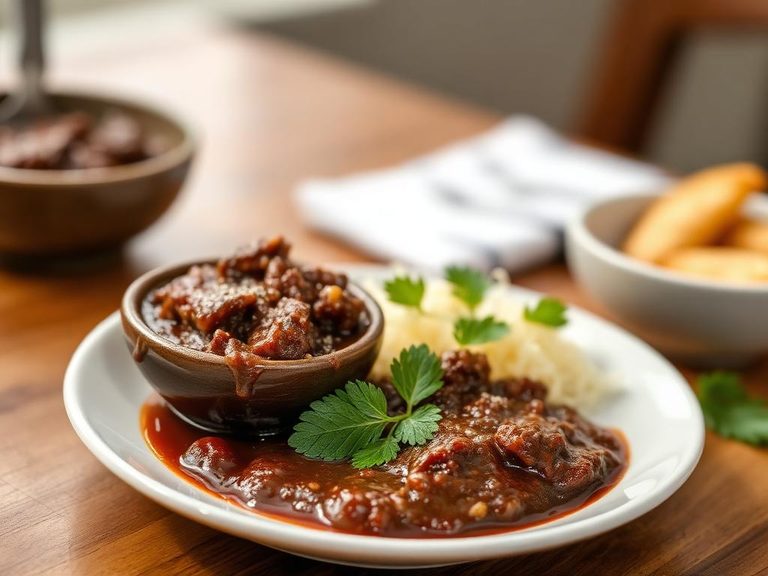
🌍 Where it's eaten
💡 Did you know?
Unsweetened cocoa powder is technically a 'bitter' food, but it contains over 300 different chemical compounds, including theobromine, which is a mild stimulant that can improve mood and focus.
Full nutrition (USDA data · scales with serving)
| Water | 3.0 g |
| Energy | 410 kcal |
| Energy | 1715 kj |
| Protein | 20.0 g |
| Total lipid (fat) | 10.0 g |
| Ash | 7.0 g |
| Carbohydrate, by difference | 60.0 g |
| Fiber, total dietary | 20.0 g |
| Total Sugars | 0.00 g |
| Calcium, Ca | 0.00 mg |
| Iron, Fe | 36.0 mg |
| Sodium, Na | 0.00 mg |
| Vitamin C, total ascorbic acid | 0.00 mg |
| Vitamin A, IU | 0.00 iu |
Fat & fatty acid profile (per 100g)
| Fatty acids, total saturated | 0.00 g |
| Cholesterol | 0.00 mg |
Amino acid profile (per 100g)
Estimated from Cocoa, dry powder, unsweetened — USDA does not publish this profile for Cocoa.
| Tryptophan | 0.29 g |
| Threonine | 0.78 g |
| Isoleucine | 0.76 g |
| Leucine | 1.2 g |
| Lysine | 0.98 g |
| Methionine | 0.20 g |
| Cystine | 0.24 g |
| Phenylalanine | 0.94 g |
| Tyrosine | 0.73 g |
| Valine | 1.2 g |
| Arginine | 1.1 g |
| Histidine | 0.34 g |
| Alanine | 0.90 g |
| Aspartic acid | 2.0 g |
| Glutamic acid | 2.9 g |
| Glycine | 0.88 g |
| Proline | 0.84 g |
| Serine | 0.85 g |
FAQ
What is the difference between Dutch-processed and natural cocoa powder?
Dutch-processed cocoa is treated with an alkali to neutralize its acidity, resulting in a darker color and milder flavor, while natural cocoa retains its original acidity and is more bitter. This cocoa is labeled 'European Style,' which often implies a Dutch-processed or similar alkalized treatment.
Can I use this cocoa powder in savory dishes?
Yes, it is excellent in savory dishes like mole sauce, chili, or dry rubs for meat, where its bitterness adds complexity and depth without sweetness.
Is this cocoa powder gluten-free?
Pure cocoa powder is naturally gluten-free, but always check the label for cross-contamination if you have celiac disease or severe gluten sensitivity.
How should I store unsweetened cocoa powder?
Store it in an airtight container in a cool, dark place to preserve its flavor and prevent clumping; it can last for up to two years if stored properly.
Nutrient density (calculated · NRF9.3)
Nutrient Rich Foods index: beneficial nutrients (protein, fiber, vitamins, minerals) minus saturated fat, added sugar & sodium, per 100 kcal.
NRF9.3 index — Fulgoni, Keast & Drewnowski, 2009. Computed from USDA nutrients.
Weight-loss friendliness (composite index)
Energy density 4.10 kcal/g · 20% calories from protein · 20.0 g fiber · 0.0 g sugar per 100 g.
Composite of energy density (Rolls et al., 1999), protein & fiber satiety, minus sugar. A calculated heuristic — ranks satiety-per-calorie, not a clinical measure.