

Sausage, turkey, fresh, cooked
Whole food · Sausages and Luncheon Meats
Fresh turkey sausage is a lean, savory ground meat product, typically seasoned with herbs and spices, that cooks up with a tender, slightly coarse texture. Its standout nutritional feature is its high protein-to-fat ratio, offering nearly 24 grams of protein with just over 10 grams of fat per 100 grams. It provides a satisfying, meaty flavor without the heavy saturated fat content of many pork sausages.
Calorie split: 50% protein · 0% carbs · 50% fat
↓ Full nutrition💚 Why it's loved
People love it for delivering the satisfying, spiced flavor of sausage with a significantly lighter nutritional profile. Its mild, adaptable taste makes it a kitchen workhorse, easily incorporated into everything from morning scrambles to hearty pasta sauces.
⚠️ Watch-outs & how to enjoy it better
Fresh turkey sausage can sometimes be dry or bland if overcooked, and many commercial varieties are high in sodium, which is a consideration for those monitoring blood pressure. To counteract dryness, cook it gently until just done (165°F/74°C internal temp) and pair it with moisture-rich ingredients like diced tomatoes or apples. To manage sodium, look for low-sodium brands and balance it with potassium-rich foods like leafy greens or sweet potatoes.
Key benefits
- Excellent source of lean, complete protein for muscle maintenance.
- Lower in total fat and saturated fat than traditional pork sausage.
- Zero carbohydrates, making it suitable for low-carb and ketogenic diets.
- Versatile base for both breakfast and dinner dishes.
🍽️ Popular dishes
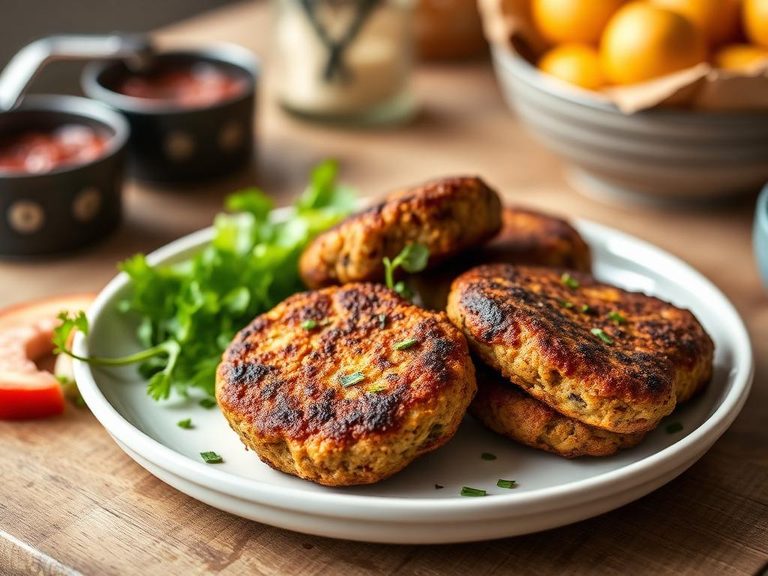
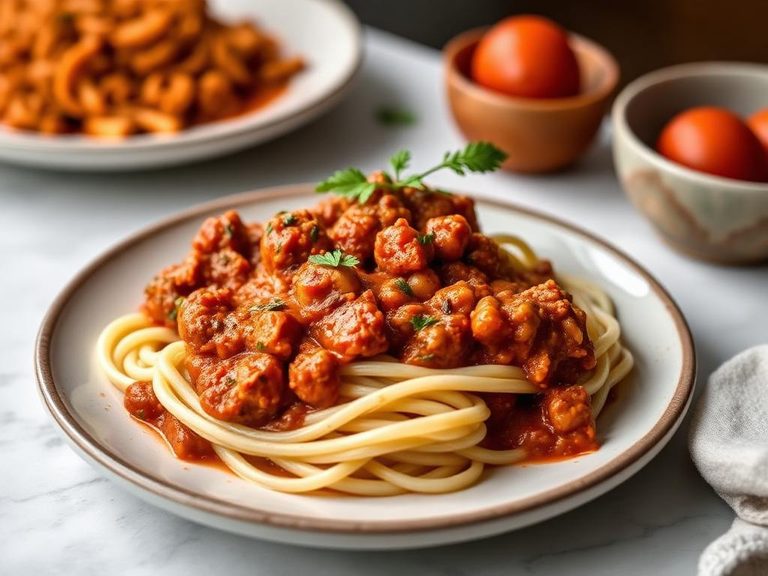
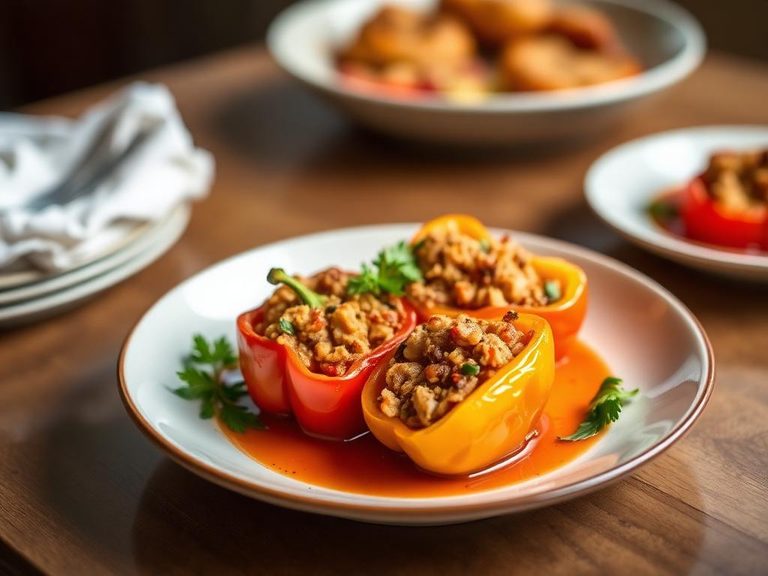
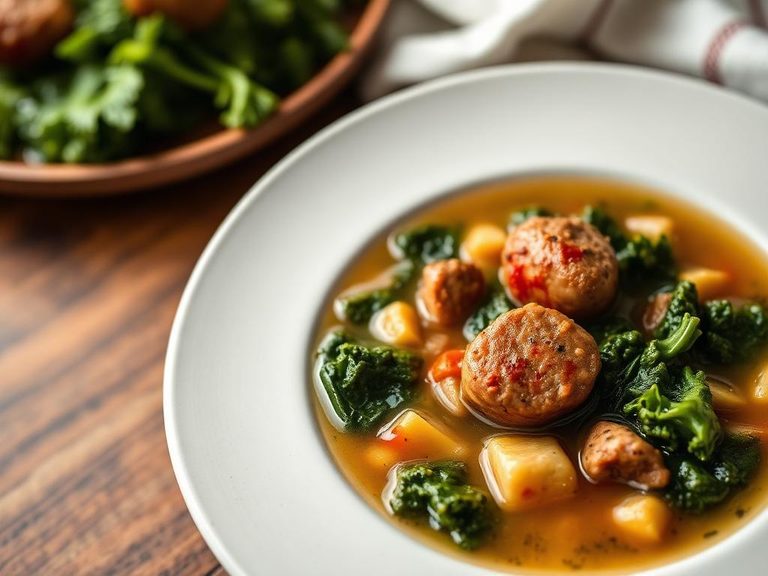
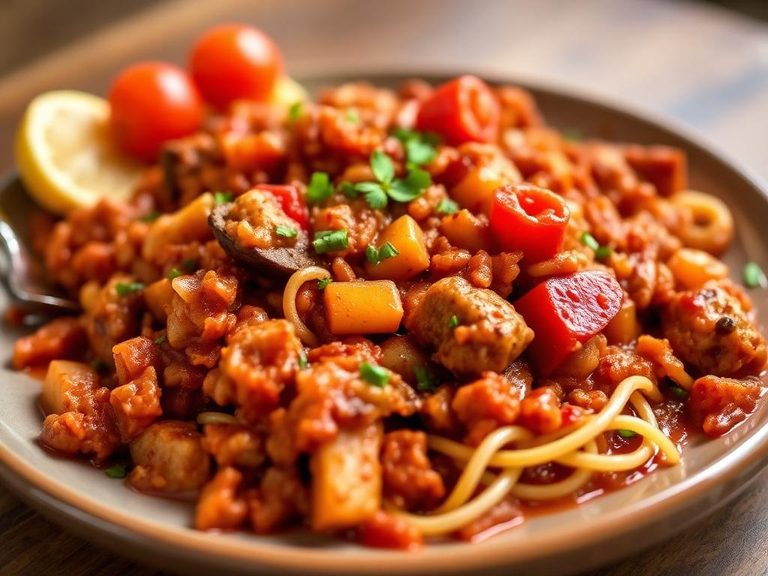
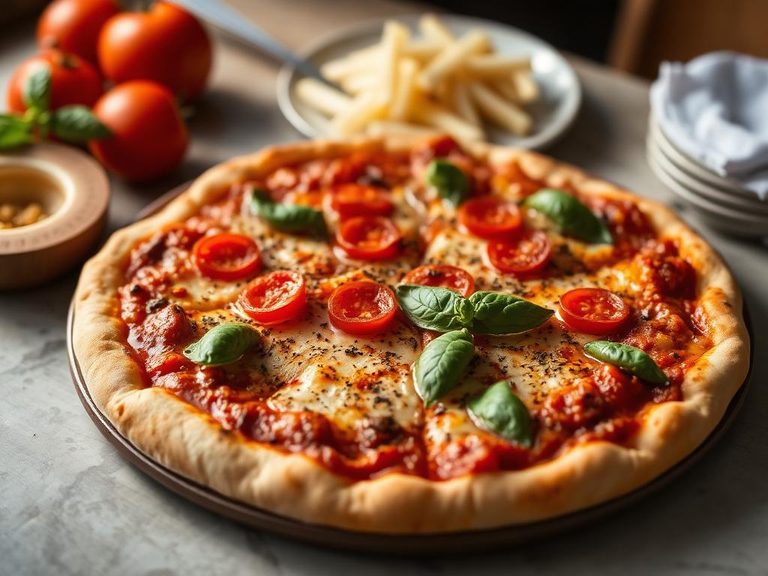
🌍 Where it's eaten
💡 Did you know?
While traditional sausage-making is an ancient preservation technique, fresh turkey sausage as a widespread, lean alternative is a relatively modern invention, largely popularized in the United States during the low-fat dietary trends of the 1980s and 1990s.
Full nutrition (USDA data · scales with serving)
| Water | 65.1 g |
| Energy | 196 kcal |
| Energy | 821 kj |
| Protein | 23.9 g |
| Total lipid (fat) | 10.4 g |
| Ash | 2.0 g |
| Carbohydrate, by difference | 0.00 g |
| Fiber, total dietary | 0.00 g |
| Total Sugars | 0.00 g |
| Calcium, Ca | 22.0 mg |
| Iron, Fe | 1.5 mg |
| Magnesium, Mg | 21.0 mg |
| Phosphorus, P | 202 mg |
| Potassium, K | 298 mg |
| Sodium, Na | 665 mg |
| Zinc, Zn | 3.9 mg |
| Copper, Cu | 0.14 mg |
| Manganese, Mn | 0.02 mg |
| Selenium, Se | 0.00 ug |
| Vitamin C, total ascorbic acid | 0.70 mg |
| Thiamin | 0.08 mg |
| Riboflavin | 0.26 mg |
| Niacin | 5.7 mg |
| Pantothenic acid | 1.1 mg |
| Vitamin B-6 | 0.32 mg |
| Folate, total | 6.0 ug |
| Folic acid | 0.00 ug |
| Folate, food | 6.0 ug |
| Folate, DFE | 6.0 ug |
| Vitamin B-12 | 1.2 ug |
| Vitamin A, RAE | 13.0 ug |
| Retinol | 11.0 ug |
| Carotene, beta | 11.0 ug |
| Carotene, alpha | 11.0 ug |
| Cryptoxanthin, beta | 11.0 ug |
| Vitamin A, IU | 75.0 iu |
| Lycopene | 11.0 ug |
| Lutein + zeaxanthin | 11.0 ug |
| Vitamin E (alpha-tocopherol) | 0.18 mg |
| Tocopherol, beta | 0.00 mg |
| Tocopherol, gamma | 0.16 mg |
| Tocopherol, delta | 0.00 mg |
| Tocotrienol, alpha | 0.12 mg |
| Tocotrienol, beta | 0.00 mg |
| Tocotrienol, gamma | 0.00 mg |
| Tocotrienol, delta | 0.00 mg |
| Vitamin K (phylloquinone) | 1.5 ug |
| Alcohol, ethyl | 0.00 g |
| Caffeine | 0.00 mg |
| Theobromine | 0.00 mg |
Fat & fatty acid profile (per 100g)
| Fatty acids, total saturated | 2.3 g |
| SFA 4:0 | 0.00 g |
| SFA 6:0 | 0.00 g |
| SFA 8:0 | 0.00 g |
| SFA 10:0 | 0.00 g |
| SFA 12:0 | 0.01 g |
| SFA 14:0 | 0.08 g |
| SFA 15:0 | 0.01 g |
| SFA 16:0 | 1.5 g |
| SFA 17:0 | 0.03 g |
| SFA 18:0 | 0.64 g |
| SFA 20:0 | 0.01 g |
| SFA 22:0 | 0.00 g |
| Fatty acids, total monounsaturated | 3.0 g |
| MUFA 14:1 | 0.01 g |
| MUFA 15:1 | 0.00 g |
| MUFA 16:1 | 0.25 g |
| MUFA 18:1 | 2.7 g |
| MUFA 20:1 | 0.03 g |
| MUFA 22:1 | 0.00 g |
| Fatty acids, total polyunsaturated | 2.7 g |
| PUFA 18:2 | 2.4 g |
| PUFA 18:3 | 0.17 g |
| PUFA 18:3 n-3 c,c,c (ALA) | 0.16 g |
| PUFA 18:3 n-6 c,c,c | 0.01 g |
| PUFA 18:4 | 0.00 g |
| PUFA 20:2 n-6 c,c | 0.02 g |
| PUFA 20:3 | 0.00 g |
| PUFA 20:4 | 0.13 g |
| PUFA 20:5 n-3 (EPA) | 0.00 g |
| PUFA 22:5 n-3 (DPA) | 0.00 g |
| PUFA 22:6 n-3 (DHA) | 0.00 g |
| Fatty acids, total trans | 0.43 g |
| Cholesterol | 92.0 mg |
Amino acid profile (per 100g)
| Tryptophan | 0.18 g |
| Threonine | 0.89 g |
| Isoleucine | 0.99 g |
| Leucine | 1.7 g |
| Lysine | 1.9 g |
| Methionine | 0.53 g |
| Cystine | 0.23 g |
| Phenylalanine | 0.87 g |
| Tyrosine | 0.74 g |
| Valine | 1.0 g |
| Arginine | 1.4 g |
| Histidine | 0.58 g |
| Alanine | 1.3 g |
| Aspartic acid | 2.0 g |
| Glutamic acid | 3.6 g |
| Glycine | 1.3 g |
| Proline | 0.99 g |
| Serine | 0.92 g |
| Hydroxyproline | 0.23 g |
FAQ
Is turkey sausage healthier than pork sausage?
Generally, yes. Per 100g, it typically has less total fat, less saturated fat, and fewer calories, while providing comparable protein. However, sodium content can be similar or higher, so checking labels is key.
How do I prevent it from being dry and crumbly?
Avoid overcooking. Cook over medium heat until just browned and the internal temperature reaches 165°F (74°C). Mixing it with a small amount of breadcrumbs, grated apple, or sautéed onions before cooking can also help retain moisture.
Can I use it in recipes that call for ground turkey?
Yes, but remember it's pre-seasoned. Use it in place of ground turkey in dishes where its savory, herby flavor will complement the recipe, like in pasta sauces, stuffings, or meatloaf. You may need to adjust the added salt and spices.
Nutrient density (calculated · NRF9.3)
Nutrient Rich Foods index: beneficial nutrients (protein, fiber, vitamins, minerals) minus saturated fat, added sugar & sodium, per 100 kcal.
NRF9.3 index — Fulgoni, Keast & Drewnowski, 2009. Computed from USDA nutrients.
Weight-loss friendliness (composite index)
Energy density 1.96 kcal/g · 49% calories from protein · 0.0 g fiber · 0.0 g sugar per 100 g.
Composite of energy density (Rolls et al., 1999), protein & fiber satiety, minus sugar. A calculated heuristic — ranks satiety-per-calorie, not a clinical measure.
Dietary load (calculated from USDA values)
Potential renal acid load. Positive = acid-forming, negative = alkaline-forming.
Sodium-to-potassium ratio: 2.23 (lower is better — aim for ≤ 1)
Sodium:potassium per WHO potassium guidance. Computed from USDA nutrients.