

Turkey Bolognese sauce
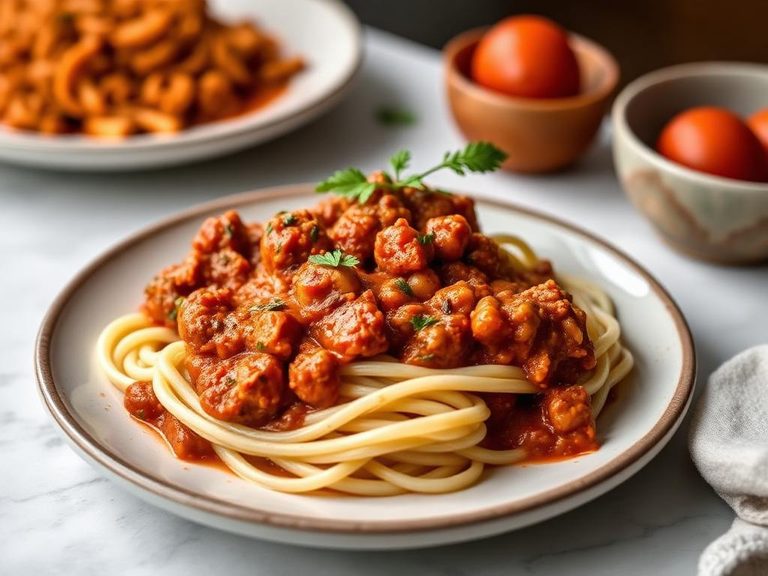
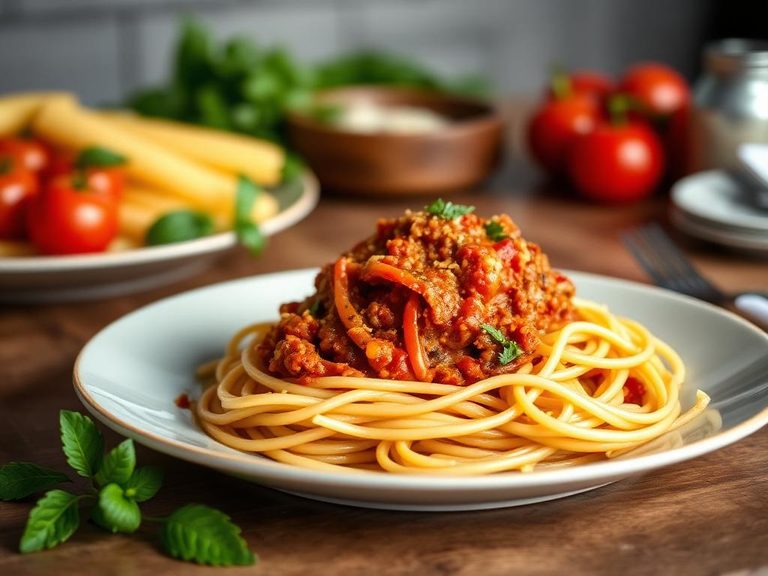
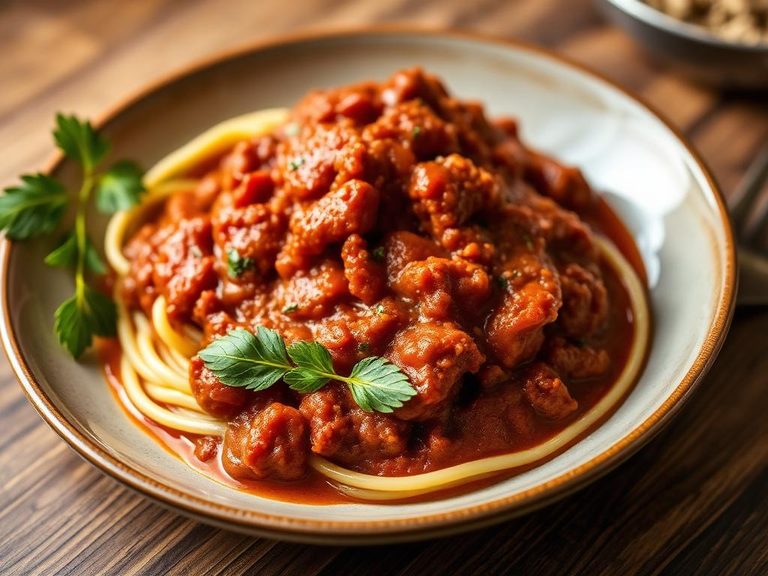
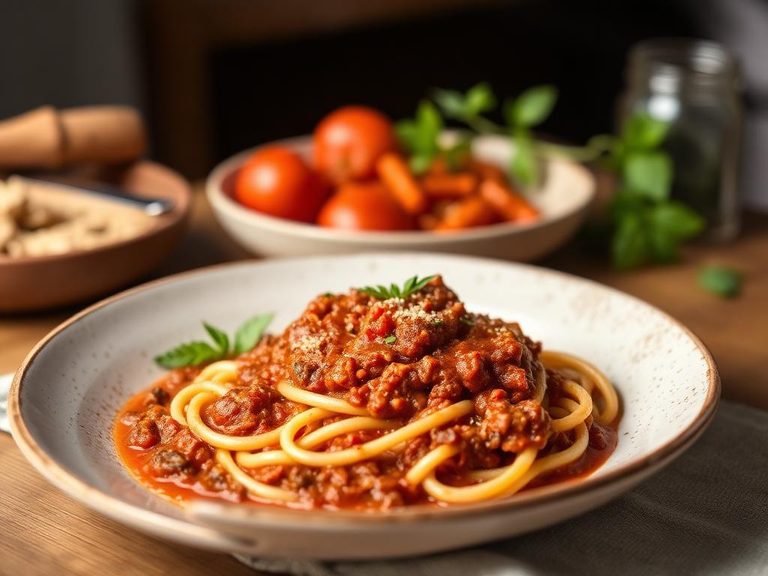
Turkey Bolognese is a lighter, modern take on the classic Italian ragù, typically made with ground turkey simmered in a rich tomato sauce with onions, carrots, celery, and herbs. It's a popular and versatile sauce often served over pasta, used in lasagna, or as a topping for polenta. While inspired by the traditional Bolognese from Bologna, Italy, this version swaps beef and pork for leaner poultry.
🍽️ Nutrition at a glance
This dish is a good source of protein from the turkey, with a moderate amount of carbohydrates from the tomatoes and any added pasta, and a relatively low fat content compared to traditional versions. A typical serving (about 1 cup of sauce without pasta) provides key nutrients like iron, potassium, and vitamins A and C, with a calorie ballpark of around 200-250.
Nutrition breakdown
| Calories | 250 kcal |
| Protein | 22 g |
| Carbs | 12 g |
| Fat | 12 g |
| Fiber | 3 g |
| Sugar | 6 g |
| Sodium | 680 mg |
| Potassium | 450 mg |
| Iron | 3.2 mg |
| Vitamin A | 85 mcg RAE |
| Vitamin C | 15 mg |
| Calcium | 60 mg |
| Phosphorus | 220 mg |
| Zinc | 3.5 mg |
| Vitamin B12 | 1.8 mcg |
Per 1 cup (240 g) · estimated, varies by recipe
💡 What's interesting
Culturally, it represents a healthy adaptation of a beloved comfort food, fitting well into contemporary diets focused on lean protein. Nutritionally, it's interesting because it maintains a hearty, satisfying flavor profile while significantly reducing saturated fat, making it a smart choice for a balanced meal.
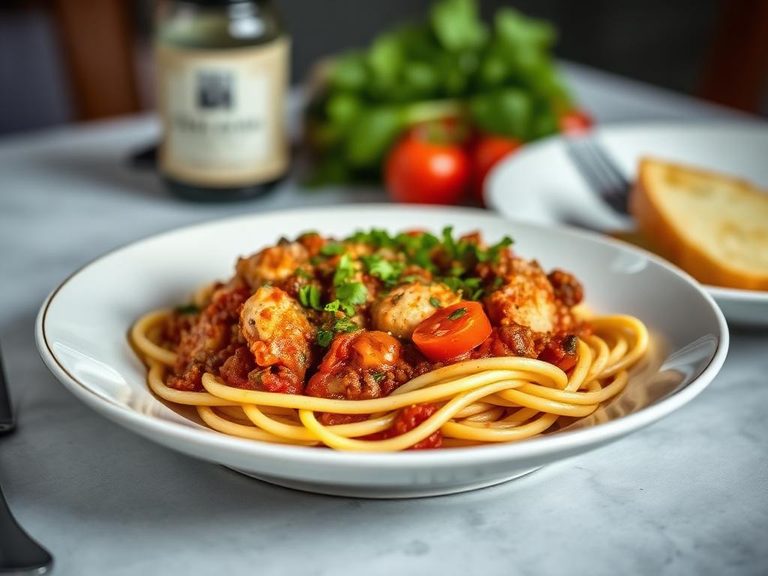
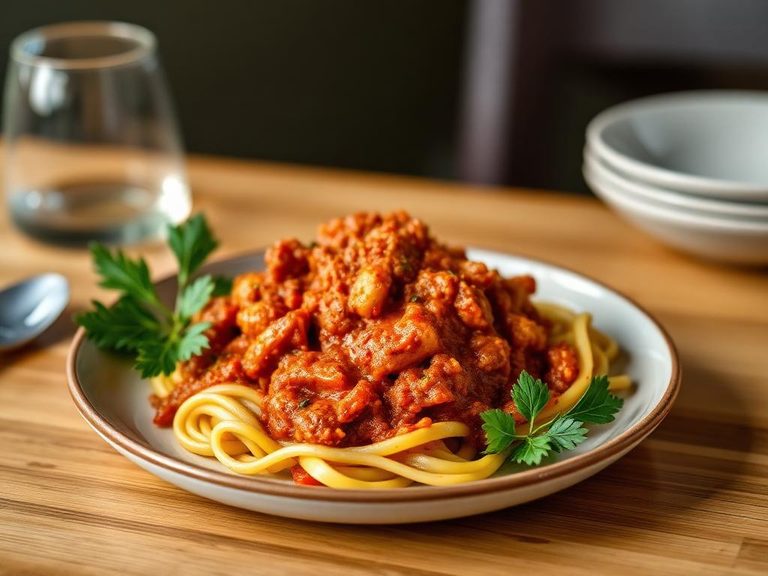
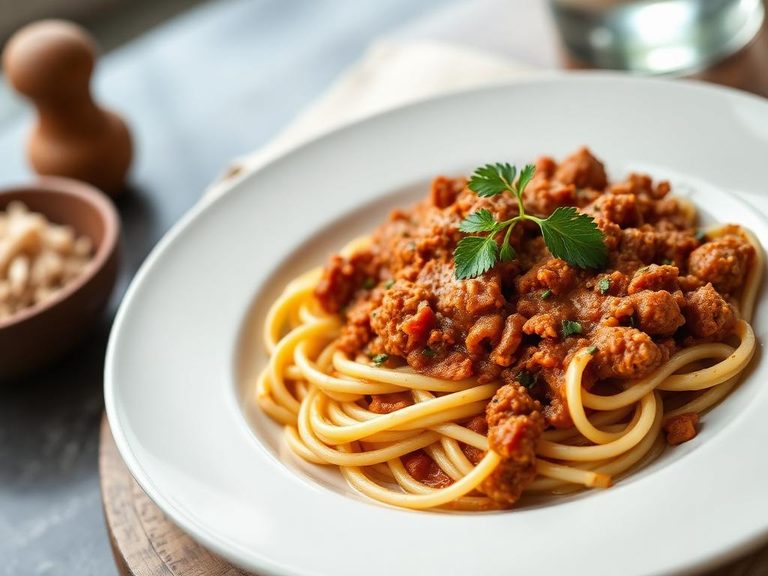
🍽️ Related dishes


AI estimate may be inaccurate · Terms