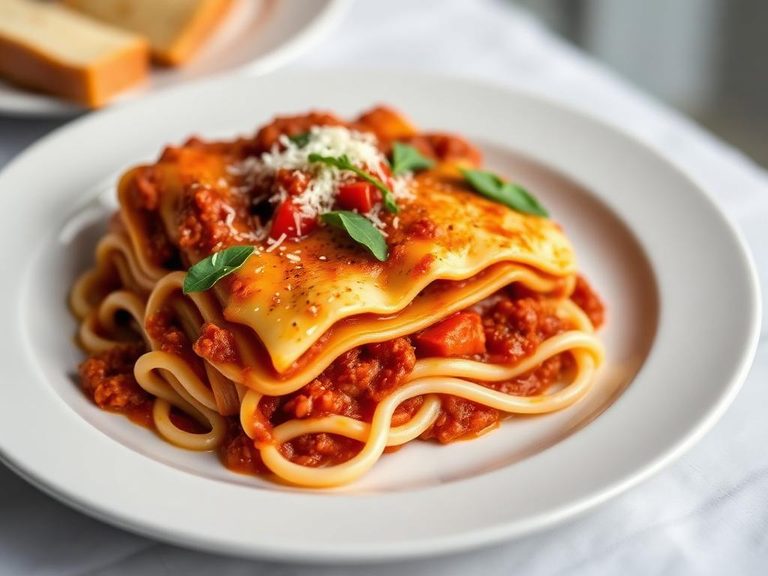
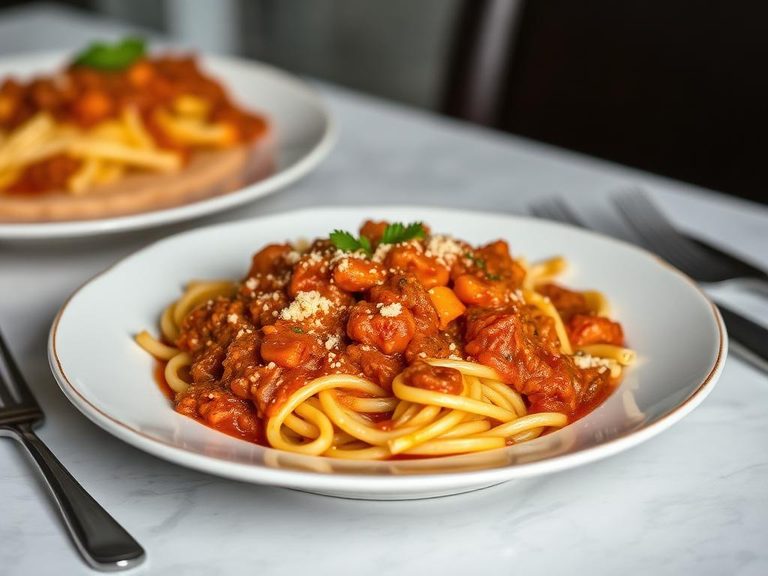
Italian Ragù alla Bolognese
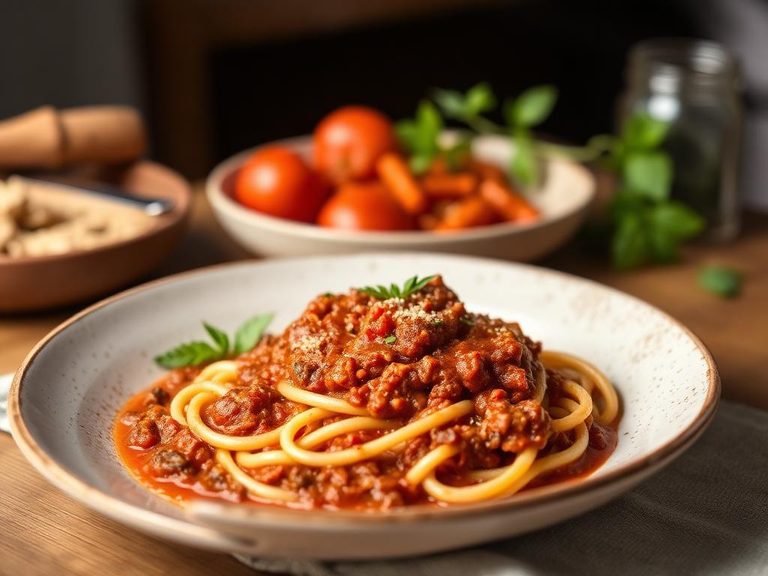
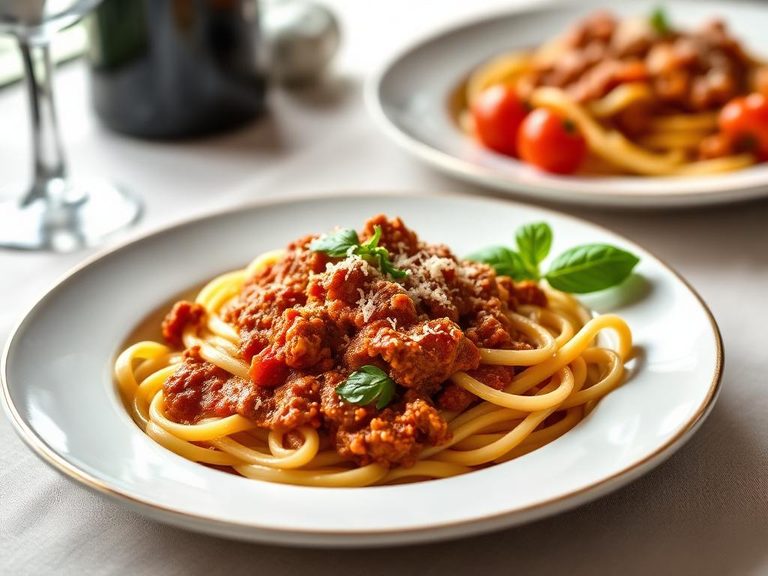
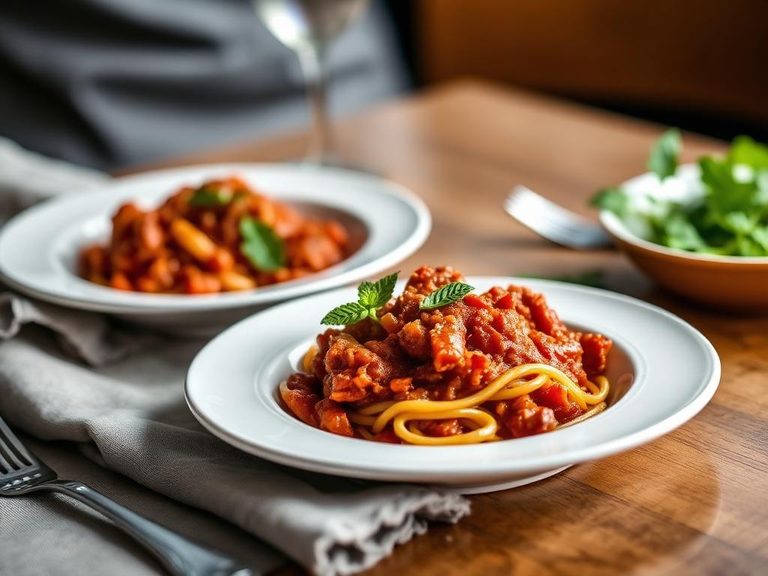
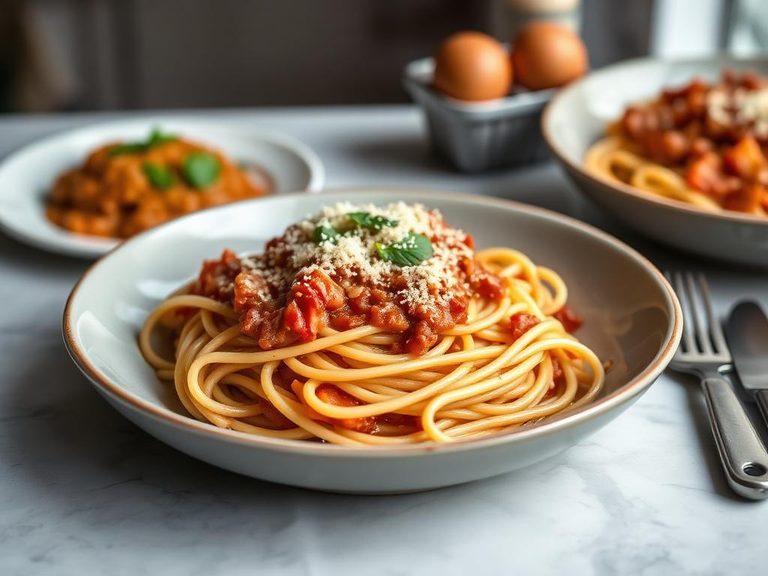
Ragù alla Bolognese is a rich, slow-cooked meat sauce from Bologna, Italy, traditionally made with a soffritto base, ground beef and/or pork, tomatoes, wine, and a touch of milk or cream. It is famously paired with fresh egg pasta like tagliatelle, rather than spaghetti, and is the heart of the classic dish 'tagliatelle al ragù'.
🍽️ Nutrition at a glance
This dish is a good source of protein from the meat, and its fat content can vary depending on the cuts used and the amount of added dairy. A typical serving provides a hearty mix of protein, fats, and some carbohydrates from the pasta, with a calorie range roughly between 400-600 calories per plate.
Nutrition breakdown
| Calories | 250 kcal |
| Protein | 18 g |
| Carbs | 12 g |
| Fat | 14 g |
| Fiber | 2 g |
| Sugar | 5 g |
| Sodium | 480 mg |
| Iron | 3.5 mg |
| Potassium | 420 mg |
| Vitamin A | 800 IU |
| Vitamin C | 8 mg |
| Calcium | 60 mg |
| Vitamin B12 | 1.8 mcg |
| Zinc | 3.2 mg |
| Phosphorus | 180 mg |
Per 1 cup (240 g) · estimated, varies by recipe
💡 What's interesting
Culturally, the official recipe registered by the Bologna Chamber of Commerce in 1982 strictly prohibits garlic and specifies the use of milk or cream, setting it apart from many international 'Bolognese' interpretations. Nutritionally, the long, slow cooking process helps tenderize the meat and allows the flavors to meld deeply, making it a nutrient-dense and satisfying meal.