

Pickles, cucumber, dill, reduced sodium
Whole food · Vegetables and Vegetable Products
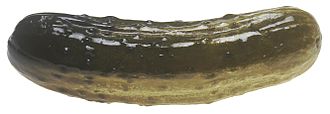
Photo: Wikipedia
A crisp, tangy cucumber spear or slice, preserved in a brine of vinegar, dill, and spices, delivering a satisfying crunch and a bright, acidic punch. With only 12 calories per 100g, it's a virtually calorie-free, fiber-rich snack that adds bold flavor without significant macros. The reduced-sodium version offers the classic dill pickle experience with about 25-30% less salt than standard varieties.
Calorie split: 14% protein · 67% carbs · 19% fat
↓ Full nutrition💚 Why it's loved
People adore the sharp, vinegary zing and satisfying crunch that cuts through rich or fatty foods, making it a perfect palate cleanser. Its versatility shines as a snack, sandwich topper, or cocktail garnish, deeply embedded in American deli culture and beyond.
⚠️ Watch-outs & how to enjoy it better
Even reduced-sodium versions can be high in salt (often 200-300mg per 100g), which may concern those managing hypertension. The high acidity can aggravate acid reflux or heartburn in sensitive individuals. Tip: Pair with a low-sodium protein like hard-boiled egg or unsalted nuts, and stick to a 1-2 spear serving to manage both salt and acid intake.
Key benefits
- Extremely low-calorie (12 kcal/100g) for volume eating
- Good source of dietary fiber (1g per 100g)
- Provides probiotics if traditionally fermented
- Adds intense flavor to meals without added fat or sugar
- Reduced-sodium version supports lower salt intake
🍽️ Popular dishes
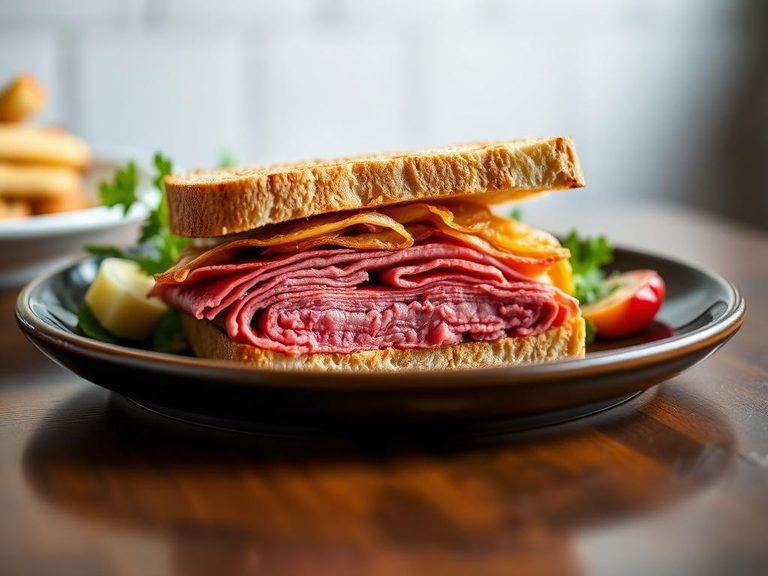
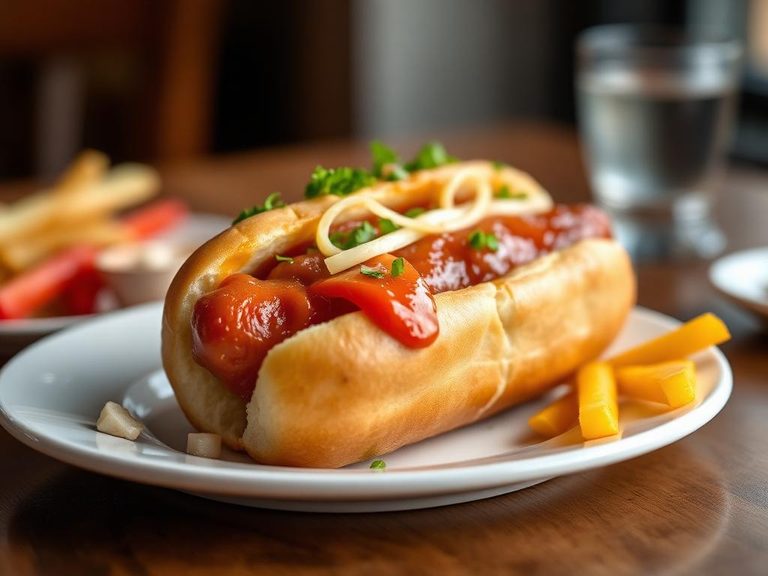
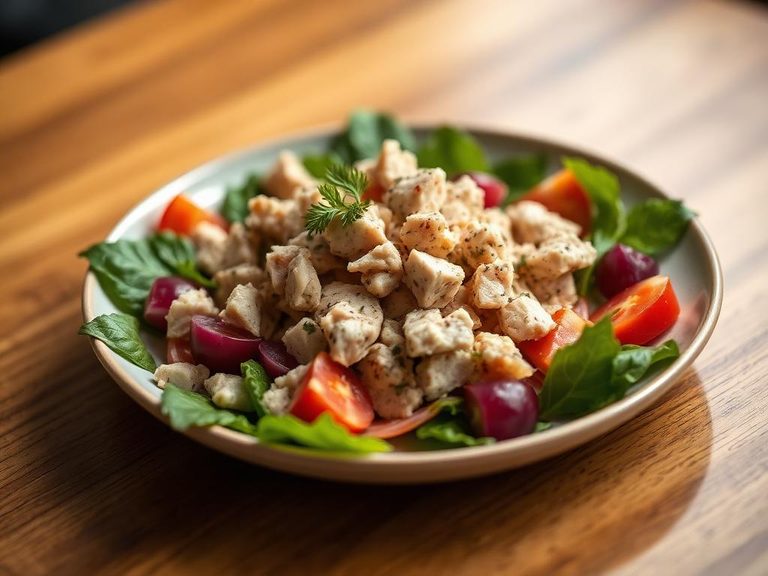
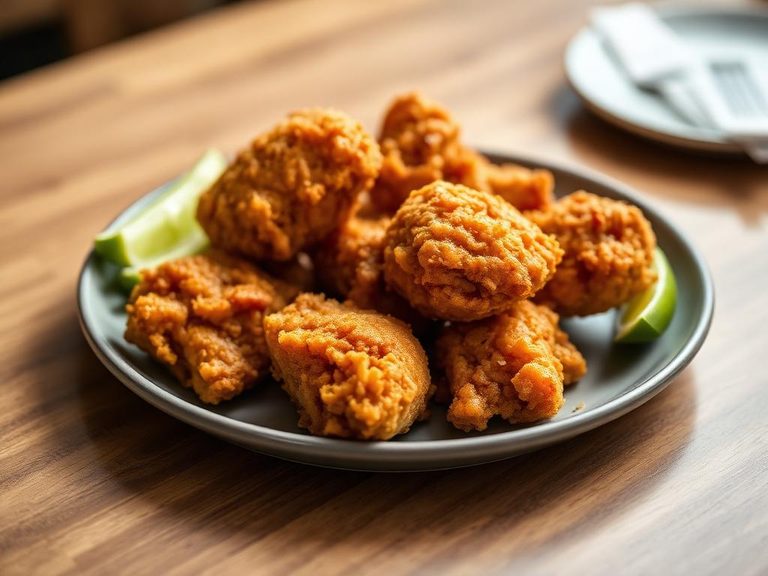
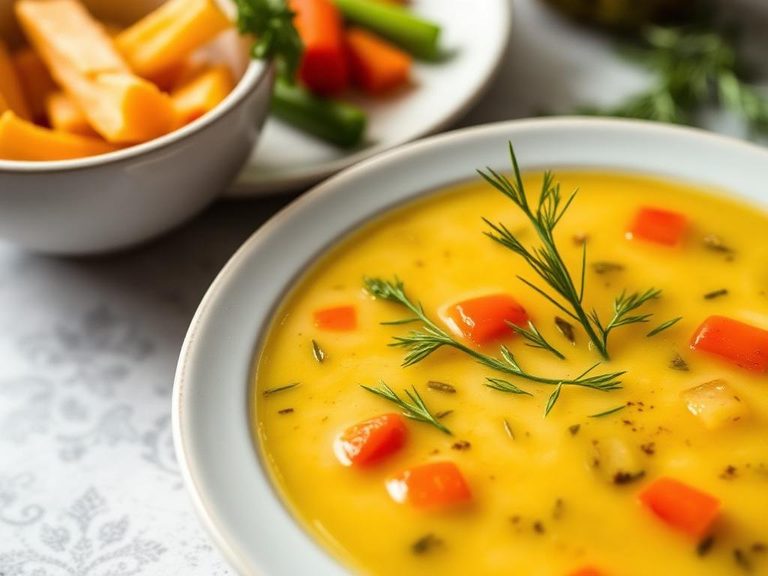
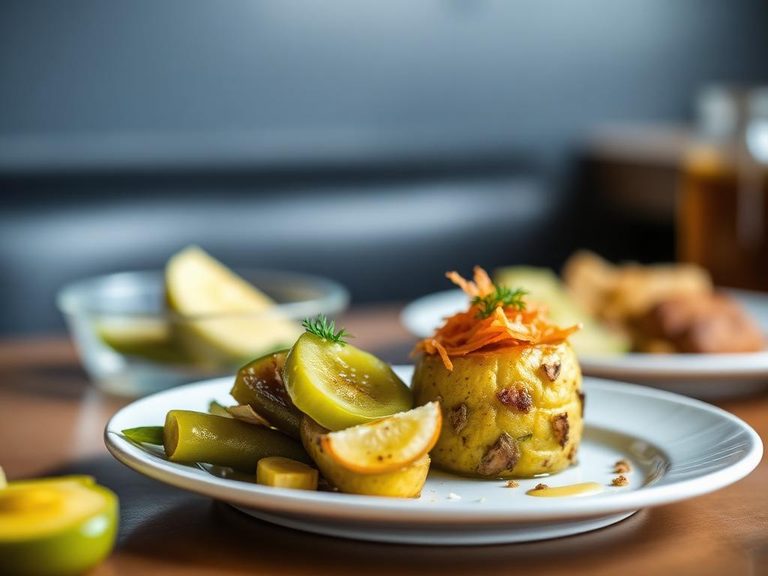
🌍 Where it's eaten
💡 Did you know?
During the 1800s, pickle juice was used as a preservative for gunpowder by soldiers in the American Civil War.
Full nutrition (USDA data · scales with serving)
| Water | 94.3 g |
| Energy | 12.0 kcal |
| Energy | 52.0 kj |
| Protein | 0.50 g |
| Total lipid (fat) | 0.30 g |
| Ash | 2.5 g |
| Carbohydrate, by difference | 2.4 g |
| Fiber, total dietary | 1.0 g |
| Total Sugars | 1.1 g |
| Sucrose | 0.00 g |
| Glucose | 0.52 g |
| Fructose | 0.55 g |
| Lactose | 0.00 g |
| Maltose | 0.00 g |
| Galactose | 0.00 g |
| Calcium, Ca | 57.0 mg |
| Iron, Fe | 0.26 mg |
| Magnesium, Mg | 7.0 mg |
| Phosphorus, P | 16.0 mg |
| Potassium, K | 117 mg |
| Sodium, Na | 18.0 mg |
| Zinc, Zn | 0.10 mg |
| Copper, Cu | 0.03 mg |
| Manganese, Mn | 0.06 mg |
| Selenium, Se | 0.00 ug |
| Fluoride, F | 30.1 ug |
| Vitamin C, total ascorbic acid | 2.3 mg |
| Thiamin | 0.04 mg |
| Riboflavin | 0.06 mg |
| Niacin | 0.11 mg |
| Pantothenic acid | 0.20 mg |
| Vitamin B-6 | 0.04 mg |
| Folate, total | 8.0 ug |
| Folic acid | 0.00 ug |
| Folate, food | 8.0 ug |
| Folate, DFE | 8.0 ug |
| Choline, total | 3.4 mg |
| Betaine | 0.00 mg |
| Vitamin B-12 | 0.00 ug |
| Vitamin B-12, added | 0.00 ug |
| Vitamin A, RAE | 6.0 ug |
| Retinol | 0.00 ug |
| Carotene, beta | 53.0 ug |
| Carotene, alpha | 13.0 ug |
| Cryptoxanthin, beta | 30.0 ug |
| Vitamin A, IU | 125 iu |
| Lycopene | 0.00 ug |
| Lutein + zeaxanthin | 28.0 ug |
| Vitamin E (alpha-tocopherol) | 0.03 mg |
| Vitamin E, added | 0.00 mg |
| Vitamin D (D2 + D3), International Units | 0.00 iu |
| Vitamin D (D2 + D3) | 0.00 ug |
| Vitamin K (phylloquinone) | 17.3 ug |
| Vitamin K (Dihydrophylloquinone) | 0.00 ug |
| Vitamin K (Menaquinone-4) | 0.00 ug |
| Alcohol, ethyl | 0.00 g |
| Caffeine | 0.00 mg |
| Theobromine | 0.00 mg |
Fat & fatty acid profile (per 100g)
| Fatty acids, total saturated | 0.08 g |
| SFA 4:0 | 0.00 g |
| SFA 6:0 | 0.00 g |
| SFA 8:0 | 0.00 g |
| SFA 10:0 | 0.00 g |
| SFA 12:0 | 0.00 g |
| SFA 14:0 | 0.00 g |
| SFA 16:0 | 0.07 g |
| SFA 18:0 | 0.01 g |
| Fatty acids, total monounsaturated | 0.01 g |
| MUFA 16:1 | 0.00 g |
| MUFA 18:1 | 0.01 g |
| MUFA 20:1 | 0.00 g |
| MUFA 22:1 | 0.00 g |
| Fatty acids, total polyunsaturated | 0.12 g |
| PUFA 18:2 | 0.05 g |
| PUFA 18:3 | 0.07 g |
| PUFA 18:4 | 0.00 g |
| PUFA 20:4 | 0.00 g |
| PUFA 20:5 n-3 (EPA) | 0.00 g |
| PUFA 22:5 n-3 (DPA) | 0.00 g |
| PUFA 22:6 n-3 (DHA) | 0.00 g |
| Fatty acids, total trans | 0.00 g |
| Cholesterol | 0.00 mg |
| Phytosterols | 14.0 mg |
Amino acid profile (per 100g)
| Tryptophan | 0.01 g |
| Threonine | 0.02 g |
| Isoleucine | 0.02 g |
| Leucine | 0.03 g |
| Lysine | 0.03 g |
| Methionine | 0.01 g |
| Cystine | 0.00 g |
| Phenylalanine | 0.02 g |
| Tyrosine | 0.01 g |
| Valine | 0.02 g |
| Arginine | 0.04 g |
| Histidine | 0.01 g |
| Alanine | 0.02 g |
| Aspartic acid | 0.04 g |
| Glutamic acid | 0.18 g |
| Glycine | 0.02 g |
| Proline | 0.01 g |
| Serine | 0.02 g |
FAQ
Are dill pickles fermented or just vinegar-brined?
Most commercial 'dill' pickles are vinegar-brined for speed and consistency. Traditional fermented pickles (lacto-fermented) are less common but offer probiotics; check for 'naturally fermented' on the label.
Why do reduced-sodium pickles sometimes taste less sour?
Salt plays a key role in balancing flavors and controlling fermentation. Reducing it can make the vinegar's sourness more pronounced or the overall flavor less complex.
Can I use pickle juice in cooking?
Absolutely! It's a fantastic tenderizer for meats (try pickle-brined chicken), a zesty addition to potato salad dressings, or even a electrolyte-replenishing drink in small amounts.
Nutrient density (calculated · NRF9.3)
Nutrient Rich Foods index: beneficial nutrients (protein, fiber, vitamins, minerals) minus saturated fat, added sugar & sodium, per 100 kcal.
NRF9.3 index — Fulgoni, Keast & Drewnowski, 2009. Computed from USDA nutrients.
Weight-loss friendliness (composite index)
Energy density 0.12 kcal/g · 17% calories from protein · 1.0 g fiber · 1.1 g sugar per 100 g.
Composite of energy density (Rolls et al., 1999), protein & fiber satiety, minus sugar. A calculated heuristic — ranks satiety-per-calorie, not a clinical measure.
Dietary load (calculated from USDA values)
Potential renal acid load. Positive = acid-forming, negative = alkaline-forming.
Sodium-to-potassium ratio: 0.15 (lower is better — aim for ≤ 1)
Sodium:potassium per WHO potassium guidance. Computed from USDA nutrients.