

Peas, green, frozen, unprepared (Includes foods for USDA's Food Distribution Program)
Whole food · Vegetables and Vegetable Products
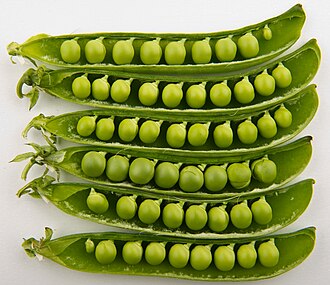
Photo: Wikipedia
Frozen green peas are vibrant, starchy-sweet gems harvested at peak ripeness and flash-frozen to lock in a crisp, fresh snap. They offer a satisfying, slightly earthy sweetness and a pop of color to any dish. Nutritionally, they are a standout for their high fiber and plant-based protein content relative to their low calorie count.
Calorie split: 26% protein · 69% carbs · 5% fat
↓ Full nutrition💚 Why it's loved
People love them for their natural sweetness, vibrant color, and incredible convenience—they require no prep and cook in minutes. They are a versatile staple that can be a side dish, a soup thickener, or a protein boost in salads.
⚠️ Watch-outs & how to enjoy it better
For those monitoring blood sugar, the carbohydrate content (including natural sugars) is notable. To mitigate, pair peas with a source of protein or healthy fat (like a sprinkle of cheese or a drizzle of olive oil) to help slow digestion. Those with IBS may need to watch portion size due to FODMAPs.
Key benefits
- Excellent source of dietary fiber for digestive health.
- Good plant-based protein source for a vegetable.
- Low in fat and a source of vitamins like K and C.
- Flash-freezing preserves nutrients often lost in fresh transport.
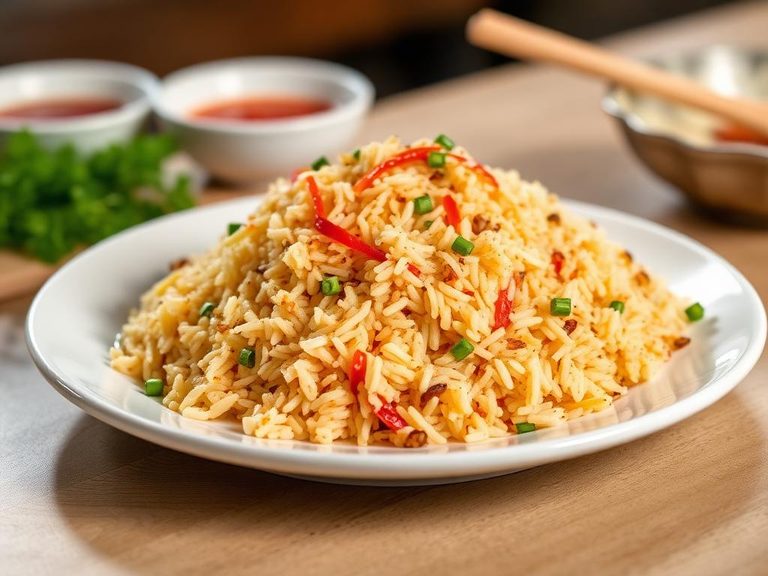
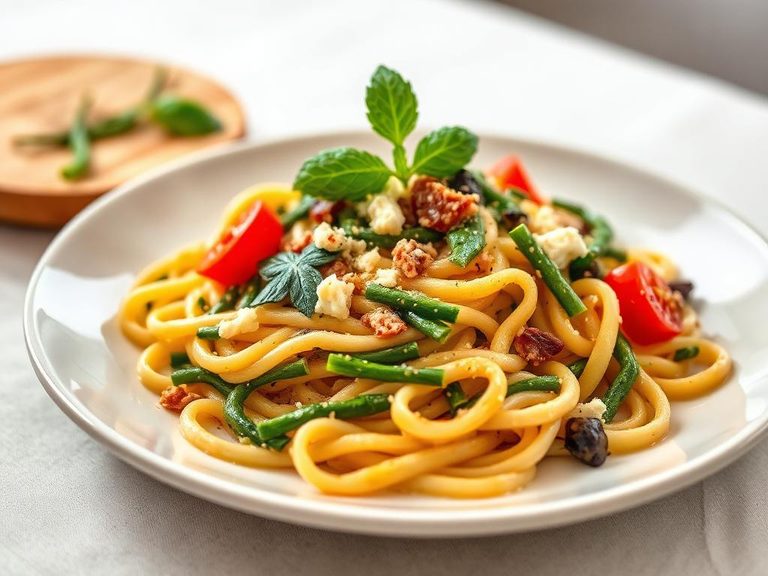
🍽️ Popular dishes
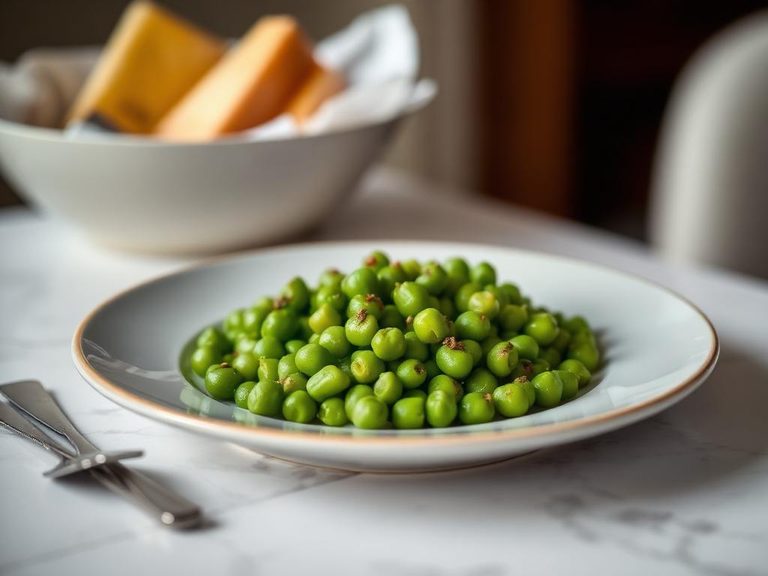

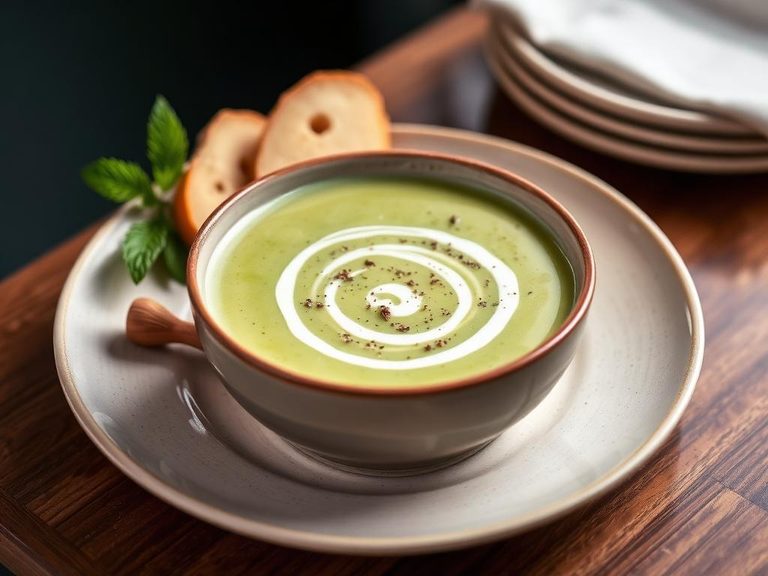
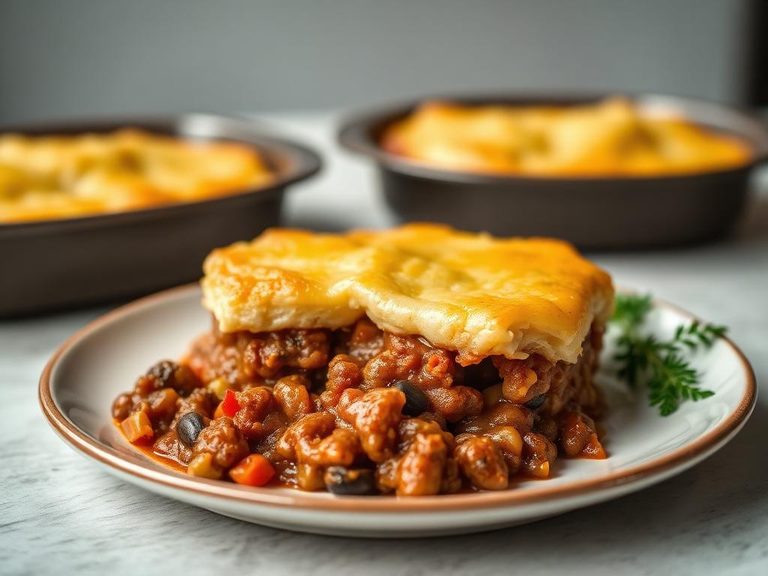
🌍 Where it's eaten
💡 Did you know?
The practice of flash-freezing peas was pioneered by Clarence Birdseye in the 1920s after observing Inuit preservation techniques, revolutionizing the frozen food industry.
Full nutrition (USDA data · scales with serving)
| Water | 80.0 g |
| Energy | 77.0 kcal |
| Energy | 322 kj |
| Protein | 5.2 g |
| Total lipid (fat) | 0.40 g |
| Ash | 0.78 g |
| Carbohydrate, by difference | 13.6 g |
| Fiber, total dietary | 4.5 g |
| Total Sugars | 5.0 g |
| Sucrose | 4.6 g |
| Glucose | 0.08 g |
| Fructose | 0.25 g |
| Lactose | 0.00 g |
| Maltose | 0.08 g |
| Galactose | 0.00 g |
| Starch | 4.2 g |
| Calcium, Ca | 22.0 mg |
| Iron, Fe | 1.5 mg |
| Magnesium, Mg | 26.0 mg |
| Phosphorus, P | 82.0 mg |
| Potassium, K | 153 mg |
| Sodium, Na | 108 mg |
| Zinc, Zn | 0.82 mg |
| Copper, Cu | 0.12 mg |
| Manganese, Mn | 0.34 mg |
| Selenium, Se | 1.9 ug |
| Vitamin C, total ascorbic acid | 18.0 mg |
| Thiamin | 0.26 mg |
| Riboflavin | 0.10 mg |
| Niacin | 1.7 mg |
| Pantothenic acid | 0.55 mg |
| Vitamin B-6 | 0.08 mg |
| Folate, total | 53.0 ug |
| Folic acid | 0.00 ug |
| Folate, food | 53.0 ug |
| Folate, DFE | 53.0 ug |
| Choline, total | 27.0 mg |
| Vitamin B-12 | 0.00 ug |
| Vitamin B-12, added | 0.00 ug |
| Vitamin A, RAE | 103 ug |
| Retinol | 0.00 ug |
| Carotene, beta | 1225 ug |
| Carotene, alpha | 20.0 ug |
| Cryptoxanthin, beta | 0.00 ug |
| Vitamin A, IU | 2058 iu |
| Lycopene | 0.00 ug |
| Lutein + zeaxanthin | 2352 ug |
| Vitamin E (alpha-tocopherol) | 0.02 mg |
| Vitamin E, added | 0.00 mg |
| Tocopherol, beta | 0.00 mg |
| Tocopherol, gamma | 0.75 mg |
| Tocopherol, delta | 0.01 mg |
| Vitamin D (D2 + D3), International Units | 0.00 iu |
| Vitamin D (D2 + D3) | 0.00 ug |
| Vitamin K (phylloquinone) | 27.9 ug |
| Vitamin K (Dihydrophylloquinone) | 0.00 ug |
| Vitamin K (Menaquinone-4) | 0.00 ug |
| Alcohol, ethyl | 0.00 g |
| Caffeine | 0.00 mg |
| Theobromine | 0.00 mg |
Fat & fatty acid profile (per 100g)
| Fatty acids, total saturated | 0.07 g |
| SFA 4:0 | 0.00 g |
| SFA 6:0 | 0.00 g |
| SFA 8:0 | 0.00 g |
| SFA 10:0 | 0.00 g |
| SFA 12:0 | 0.00 g |
| SFA 14:0 | 0.00 g |
| SFA 16:0 | 0.06 g |
| SFA 18:0 | 0.01 g |
| Fatty acids, total monounsaturated | 0.03 g |
| MUFA 16:1 | 0.00 g |
| MUFA 18:1 | 0.03 g |
| MUFA 20:1 | 0.00 g |
| MUFA 22:1 | 0.00 g |
| Fatty acids, total polyunsaturated | 0.17 g |
| PUFA 18:2 | 0.14 g |
| PUFA 18:3 | 0.03 g |
| PUFA 18:4 | 0.00 g |
| PUFA 20:4 | 0.00 g |
| PUFA 20:5 n-3 (EPA) | 0.00 g |
| PUFA 22:5 n-3 (DPA) | 0.00 g |
| PUFA 22:6 n-3 (DHA) | 0.00 g |
| Fatty acids, total trans | 0.00 g |
| Cholesterol | 0.00 mg |
Amino acid profile (per 100g)
| Tryptophan | 0.04 g |
| Threonine | 0.20 g |
| Isoleucine | 0.19 g |
| Leucine | 0.31 g |
| Lysine | 0.30 g |
| Methionine | 0.08 g |
| Cystine | 0.03 g |
| Phenylalanine | 0.19 g |
| Tyrosine | 0.11 g |
| Valine | 0.23 g |
| Arginine | 0.41 g |
| Histidine | 0.10 g |
| Alanine | 0.23 g |
| Aspartic acid | 0.48 g |
| Glutamic acid | 0.71 g |
| Glycine | 0.18 g |
| Proline | 0.17 g |
| Serine | 0.17 g |
FAQ
Do I need to thaw frozen peas before cooking?
No, you can cook them directly from frozen. Add them to boiling water, soups, or stir-fries in the last 3-5 minutes of cooking.
Are canned peas a good substitute?
Canned peas are softer and often higher in sodium. For texture and nutrition, frozen peas are generally preferred. If using canned, rinse them to reduce sodium.
Can I eat frozen peas raw?
While safe, the texture is starchy and less palatable when raw. They are best enjoyed cooked to bring out their sweetness and soften their texture.
Nutrient density (calculated · NRF9.3)
Nutrient Rich Foods index: beneficial nutrients (protein, fiber, vitamins, minerals) minus saturated fat, added sugar & sodium, per 100 kcal.
NRF9.3 index — Fulgoni, Keast & Drewnowski, 2009. Computed from USDA nutrients.
Weight-loss friendliness (composite index)
Energy density 0.77 kcal/g · 27% calories from protein · 4.5 g fiber · 5.0 g sugar per 100 g.
Composite of energy density (Rolls et al., 1999), protein & fiber satiety, minus sugar. A calculated heuristic — ranks satiety-per-calorie, not a clinical measure.
Dietary load (calculated from USDA values)
Potential renal acid load. Positive = acid-forming, negative = alkaline-forming.
Sodium-to-potassium ratio: 0.71 (lower is better — aim for ≤ 1)
Sodium:potassium per WHO potassium guidance. Computed from USDA nutrients.