

Oil, industrial, soy (partially hydrogenated ), palm, principal uses icings and fillings
Whole food · Fats and Oils

Photo: Wikipedia
This is a highly processed, shelf-stable fat blend designed for industrial baking. It has a neutral taste and a smooth, pliable texture that creates stable icings and fillings with a high melting point. Nutritionally, it is 100% fat, providing a dense 884 calories per 100 grams with no protein, carbs, or fiber.
Calorie split: 0% protein · 0% carbs · 100% fat
↓ Full nutrition💚 Why it's loved
Bakers and food manufacturers love it for its functional reliability—it whips into fluffy, stable icings that hold their shape on cakes and pastries for extended periods without separating or weeping.
⚠️ Watch-outs & how to enjoy it better
This oil is a significant source of industrial trans fats, which are strongly linked to adverse cardiovascular health outcomes. Consumers concerned about heart health should limit intake and opt for icings made with butter or unhydrogenated oils. Choosing products with simpler, recognizable fat ingredients is a practical countermeasure.
Key benefits
- Provides a smooth, creamy texture in frostings
- Resists melting at room temperature
- Has a long shelf life for commercial products
- Creates a stable, non-grainy filling base
- Cost-effective for large-scale baking
🍽️ Popular dishes

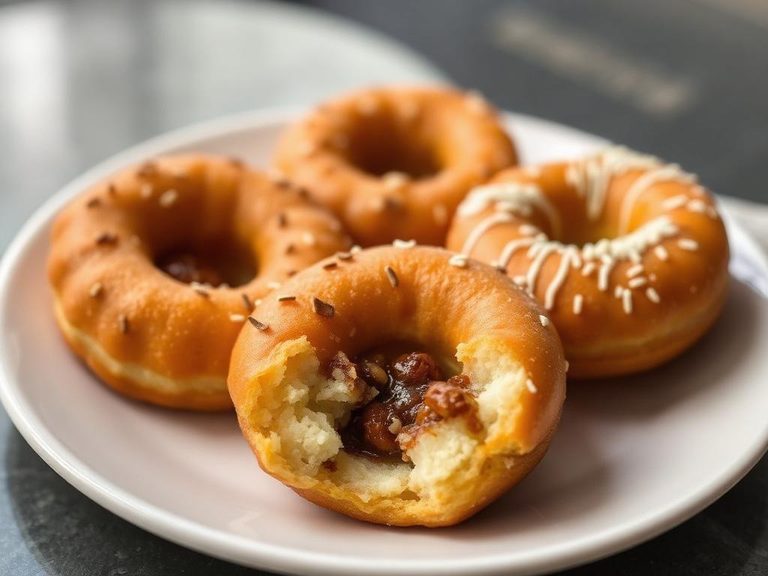
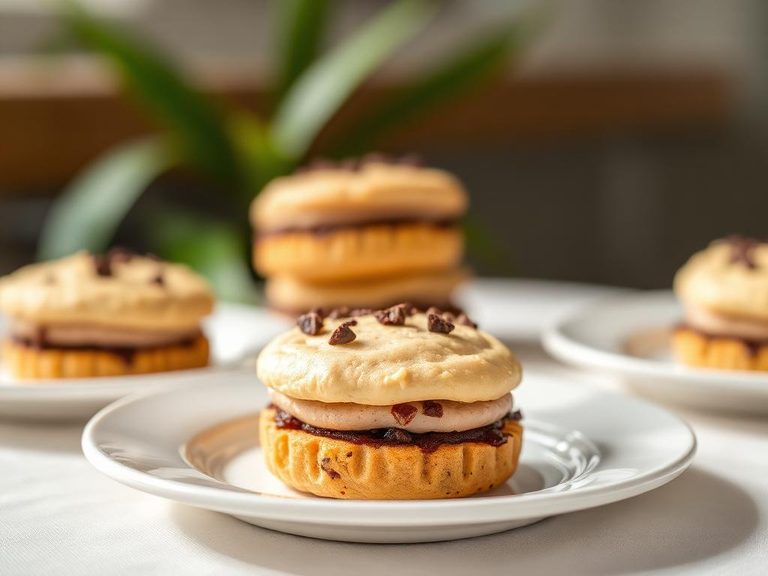
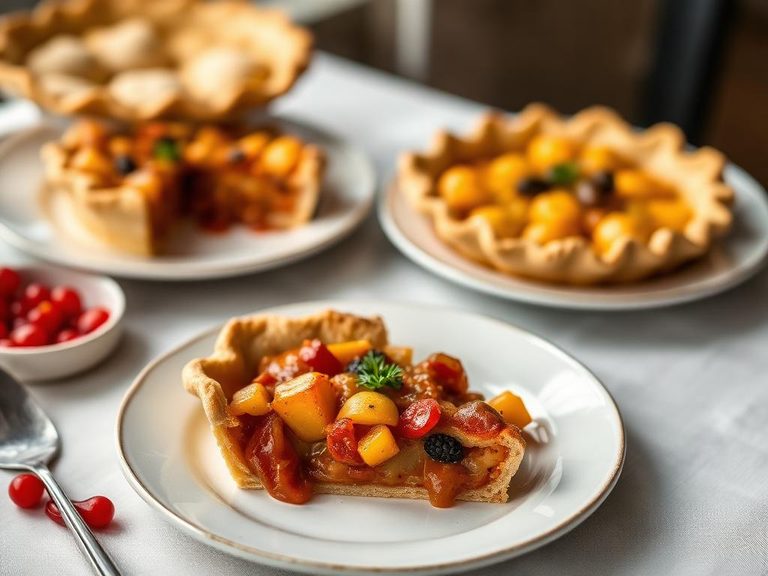
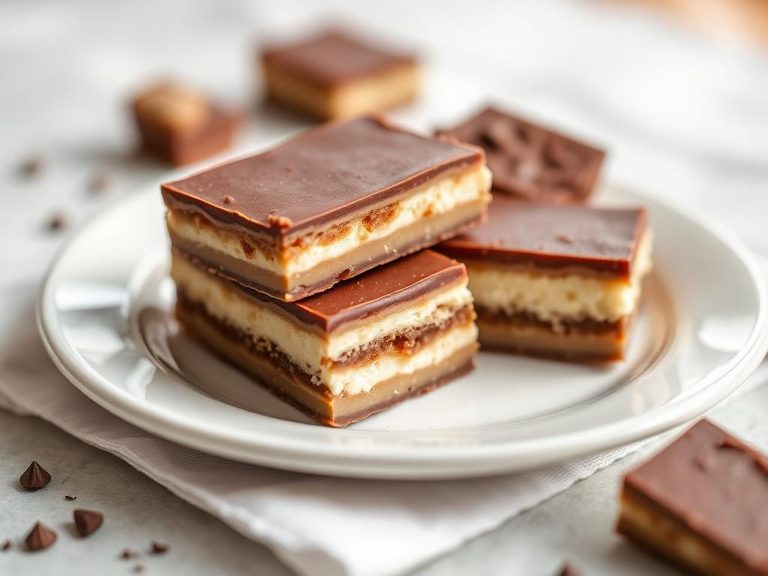
🌍 Where it's eaten
💡 Did you know?
This specific blend was engineered to mimic the properties of lard, which was traditionally used in baking but has a less stable shelf life and variable flavor.
Full nutrition (USDA data · scales with serving)
| Water | 0.00 g |
| Energy | 884 kcal |
| Energy | 3699 kj |
| Protein | 0.00 g |
| Total lipid (fat) | 100 g |
| Ash | 0.00 g |
| Carbohydrate, by difference | 0.00 g |
| Fiber, total dietary | 0.00 g |
| Total Sugars | 0.00 g |
| Calcium, Ca | 0.00 mg |
| Iron, Fe | 0.00 mg |
| Magnesium, Mg | 0.00 mg |
| Phosphorus, P | 0.00 mg |
| Potassium, K | 0.00 mg |
| Sodium, Na | 0.00 mg |
| Zinc, Zn | 0.00 mg |
| Copper, Cu | 0.00 mg |
| Selenium, Se | 0.00 ug |
| Vitamin C, total ascorbic acid | 0.00 mg |
| Thiamin | 0.00 mg |
| Riboflavin | 0.00 mg |
| Niacin | 0.00 mg |
| Pantothenic acid | 0.00 mg |
| Vitamin B-6 | 0.00 mg |
| Folate, total | 0.00 ug |
| Folic acid | 0.00 ug |
| Folate, food | 0.00 ug |
| Folate, DFE | 0.00 ug |
| Choline, total | 0.20 mg |
| Vitamin B-12 | 0.00 ug |
| Vitamin B-12, added | 0.00 ug |
| Vitamin A, RAE | 0.00 ug |
| Retinol | 0.00 ug |
| Carotene, beta | 0.00 ug |
| Carotene, alpha | 0.00 ug |
| Cryptoxanthin, beta | 0.00 ug |
| Vitamin A, IU | 0.00 iu |
| Lycopene | 0.00 ug |
| Lutein + zeaxanthin | 0.00 ug |
| Vitamin E (alpha-tocopherol) | 8.1 mg |
| Vitamin E, added | 0.00 mg |
| Vitamin K (phylloquinone) | 24.7 ug |
| Alcohol, ethyl | 0.00 g |
| Caffeine | 0.00 mg |
| Theobromine | 0.00 mg |
Fat & fatty acid profile (per 100g)
| Fatty acids, total saturated | 28.4 g |
| SFA 4:0 | 0.00 g |
| SFA 6:0 | 0.00 g |
| SFA 8:0 | 0.00 g |
| SFA 10:0 | 0.00 g |
| SFA 12:0 | 0.06 g |
| SFA 14:0 | 0.25 g |
| SFA 15:0 | 0.04 g |
| SFA 16:0 | 15.8 g |
| SFA 17:0 | 0.10 g |
| SFA 18:0 | 11.5 g |
| SFA 20:0 | 0.35 g |
| SFA 22:0 | 0.28 g |
| Fatty acids, total monounsaturated | 59.7 g |
| MUFA 16:1 | 0.10 g |
| MUFA 16:1 c | 0.10 g |
| MUFA 18:1 | 59.5 g |
| MUFA 18:1 c | 31.1 g |
| MUFA 20:1 | 0.13 g |
| MUFA 22:1 | 0.00 g |
| Fatty acids, total polyunsaturated | 7.1 g |
| PUFA 18:2 | 6.6 g |
| PUFA 18:2 n-6 c,c | 4.2 g |
| PUFA 18:2 i | 2.4 g |
| PUFA 18:3 | 0.00 g |
| PUFA 18:3 n-3 c,c,c (ALA) | 0.00 g |
| PUFA 18:3i | 0.49 g |
| PUFA 18:4 | 0.00 g |
| PUFA 20:4 | 0.00 g |
| PUFA 20:5 n-3 (EPA) | 0.00 g |
| PUFA 22:5 n-3 (DPA) | 0.00 g |
| PUFA 22:6 n-3 (DHA) | 0.00 g |
| Fatty acids, total trans | 31.2 g |
| Fatty acids, total trans-monoenoic | 28.3 g |
| TFA 18:1 t | 28.3 g |
| Fatty acids, total trans-polyenoic | 2.9 g |
| Cholesterol | 0.00 mg |
| Phytosterols | 132 mg |
Amino acid profile (per 100g)
| Tryptophan | 0.00 g |
| Threonine | 0.00 g |
| Isoleucine | 0.00 g |
| Leucine | 0.00 g |
| Lysine | 0.00 g |
| Methionine | 0.00 g |
| Cystine | 0.00 g |
| Phenylalanine | 0.00 g |
| Tyrosine | 0.00 g |
| Valine | 0.00 g |
| Arginine | 0.00 g |
| Histidine | 0.00 g |
| Alanine | 0.00 g |
| Aspartic acid | 0.00 g |
| Glutamic acid | 0.00 g |
| Glycine | 0.00 g |
| Proline | 0.00 g |
| Serine | 0.00 g |
FAQ
What is the main difference between this and regular vegetable oil?
This is a partially hydrogenated blend, meaning it has been chemically altered to be solid or semi-solid at room temperature, unlike liquid vegetable oil. This process creates trans fats.
Can I use this in home baking?
While possible, it's primarily an industrial ingredient. Home bakers typically use butter, shortening, or coconut oil for icings, which offer better flavor and avoid industrial trans fats.
Why is it used in so many packaged snacks?
Its stability, long shelf life, and ability to create a smooth, creamy mouthfeel at a low cost make it ideal for mass-produced baked goods and confections.
Nutrient density (calculated · NRF9.3)
Nutrient Rich Foods index: beneficial nutrients (protein, fiber, vitamins, minerals) minus saturated fat, added sugar & sodium, per 100 kcal.
NRF9.3 index — Fulgoni, Keast & Drewnowski, 2009. Computed from USDA nutrients.
Weight-loss friendliness (composite index)
Energy density 8.84 kcal/g · 0% calories from protein · 0.0 g fiber · 0.0 g sugar per 100 g.
Composite of energy density (Rolls et al., 1999), protein & fiber satiety, minus sugar. A calculated heuristic — ranks satiety-per-calorie, not a clinical measure.
Dietary load (calculated from USDA values)
Potential renal acid load. Positive = acid-forming, negative = alkaline-forming.
Sodium:potassium per WHO potassium guidance. Computed from USDA nutrients.