Commercial cake frostings
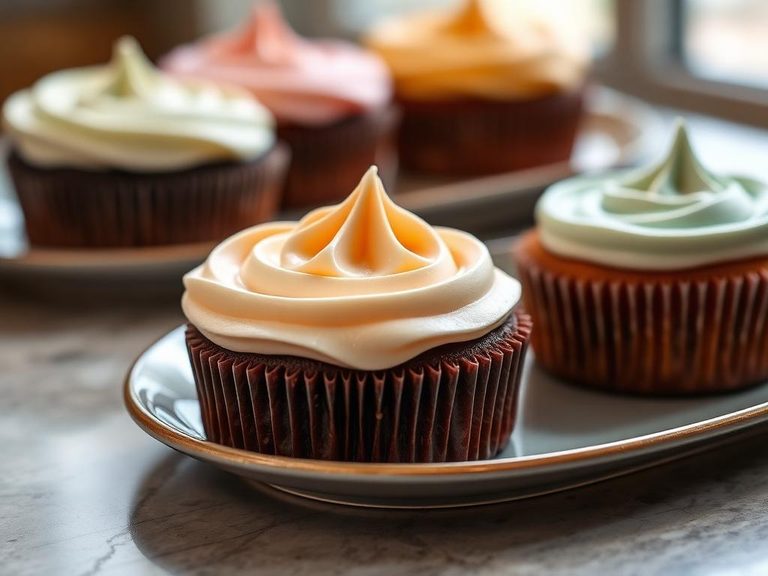
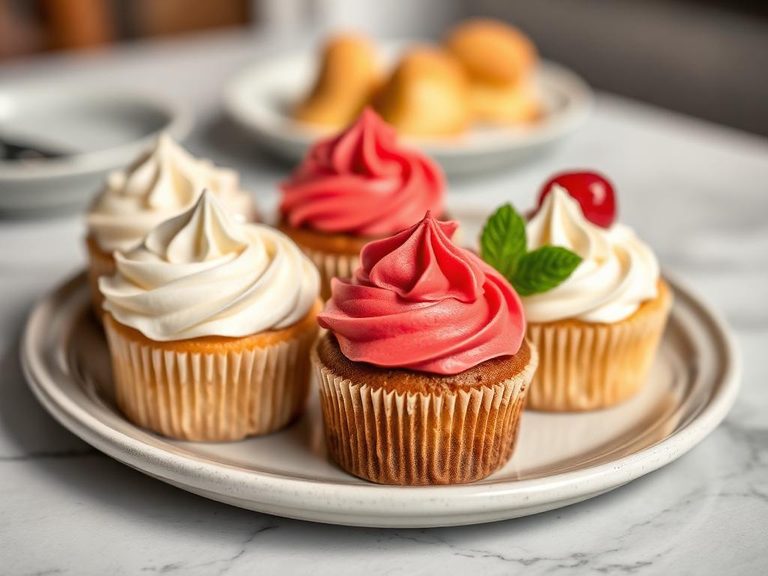
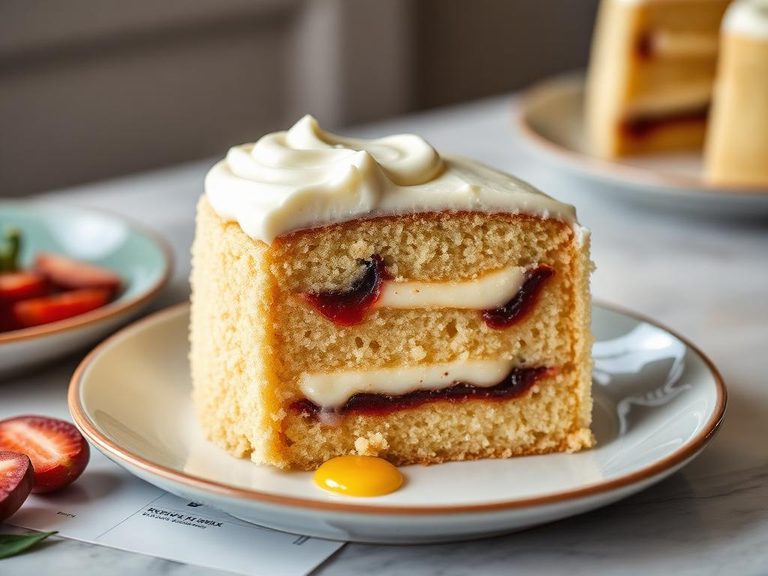
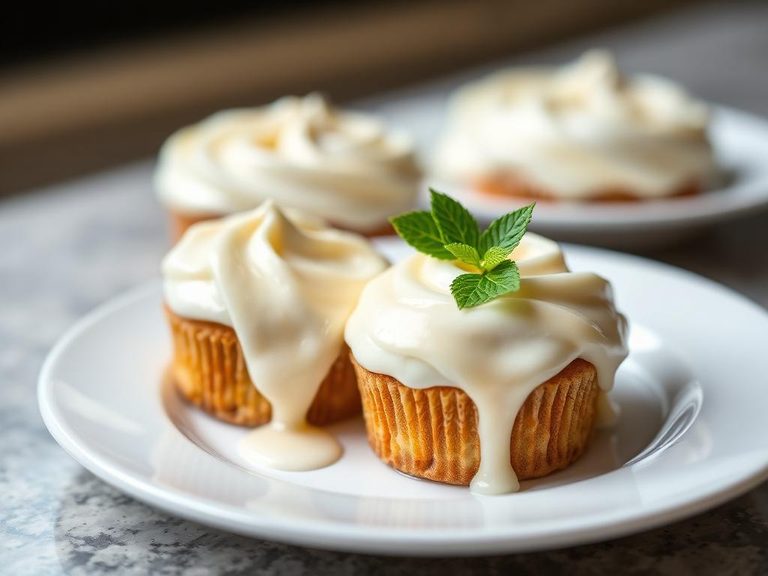
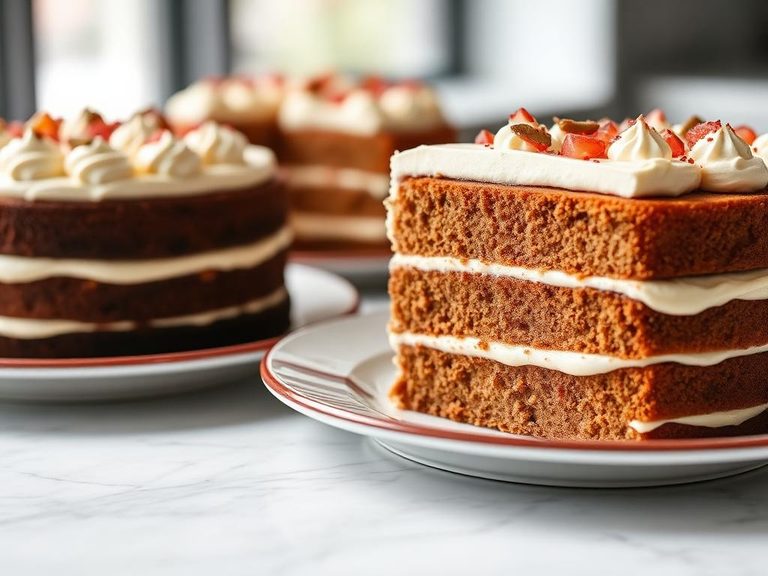
Commercial cake frostings are pre-made, shelf-stable spreads used to decorate and flavor cakes, cupcakes, and other baked goods. They are typically made from a base of sugar, vegetable shortening or butter, and water, often with added emulsifiers, stabilizers, and artificial flavors and colors. These products originated in the United States in the mid-20th century with the rise of convenient, packaged baking supplies.
🍽️ Nutrition at a glance
Commercial cake frostings are extremely high in carbohydrates and fats, with negligible protein. A typical serving provides a large dose of added sugars and calories, offering little in the way of essential vitamins or minerals.
Nutrition breakdown
| Calories | 140 kcal |
| Protein | 0 g |
| Carbs | 22 g |
| Fat | 6 g |
| Fiber | 0 g |
| Sugar | 20 g |
| Sodium | 35 mg |
| Iron | 0.2 mg |
| Calcium | 2 mg |
| Potassium | 10 mg |
| Vitamin A | 0 mcg |
| Vitamin C | 0 mg |
Per 2 tablespoons (32 g) · estimated, varies by recipe
💡 What's interesting
Culturally, these frostings are synonymous with celebratory events like birthdays in many Western countries. Nutritionally, they are a prime example of an ultra-processed food, designed for hyper-palatability and long shelf life rather than nutritional value.